Community food gardens across South Africa can now enter the second Shoprite Act For Change Food Garden Competition, which opened this week, with five winning gardens set to share R1 million in tailored support.
Each winning garden will receive support based on an assessment of its specific needs. This could include training, gardening resources and infrastructure to help improve production and increase the amount of food available to the communities they serve.
The competition recognises that the value of a community food garden extends beyond the quantity of food it produces. Judges will also consider its broader social impact, how it shares skills, its operational practices, its contribution to food security and the positive difference it makes in people’s lives.
“Our purpose is to uplift lives every day by pioneering access to the most affordable goods and services and creating economic opportunity. Community food gardens bring that purpose to life in a very practical way,” says Sanjeev Raghubir, chief sustainability officer at the Shoprite Group.
“They put fresh food within reach, create opportunities for people to learn and earn, and bring communities together. Through this competition, we want to recognise gardens already doing that work and give them support to grow.”
Who can enter?
The competition is open to eligible community-based food gardens across South Africa. Entrants must be aged 18 or older and represent a community food garden. Private home gardens, private companies and close corporations are not eligible.
Applicants must submit a short description of their garden’s history, purpose and role in the community, together with photographs of the garden.
Entries are free and close on Sunday, 15 November 2026. Gardens can enter online at actforchangefoodgardencompetition.datafree.co, with no data costs applying. Winners will be announced before April 2027.
The inaugural competition attracted nearly 600 entries. Since the winners were announced in March 2026, the gardens have used their support to address practical challenges, expand production and create new opportunities for their communities.
Related stories
Related stories
- Shoprite hits 300th food garden milestone in Bredasdorp
- Small-scale food gardens win big in Shoprite’s Act For Change
- Seed libraries, food gardens empower Cape communities
- Growing more than food: Ngxanga shapes future farmers
Winners put support to work
ACFS Khunadi Food Garden in Mogoto Village, Limpopo, took first place in the inaugural competition. The garden has since benefited from a shade-net structure to protect its crops.
“Entering the competition made a real difference to our garden. The support helped us improve our infrastructure and food production, to ultimately reach more people in the community. I would encourage other community food gardens to enter,” says Bertha Magoge from ACFS Khunadi Food Garden.
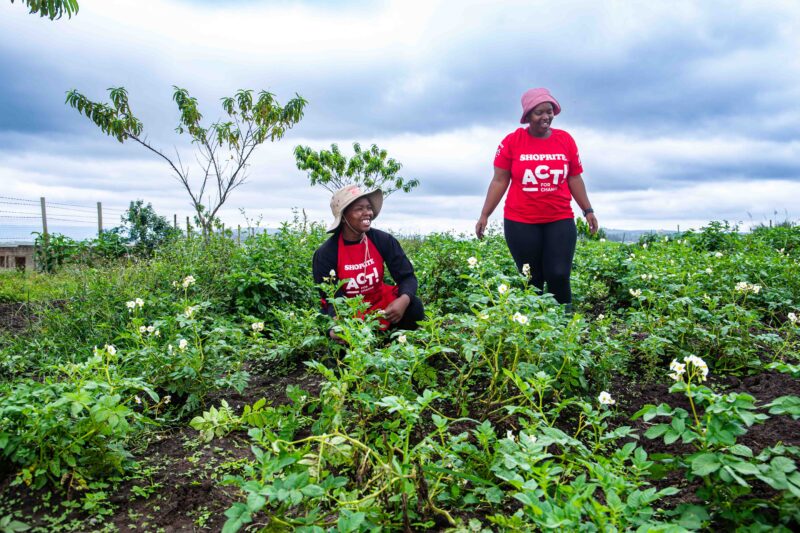
In the Eastern Cape, Ngxanga School Garden in Libode, last year’s second-place winner, has installed a new irrigation system. This has enabled the garden to expand its growing area and increase food production.
Project manager Neziswa Mlenzana says the garden has also been able to employ three young people from the community permanently. Wednesdays have been set aside for learners to work in the garden, giving them an opportunity to gain practical experience.
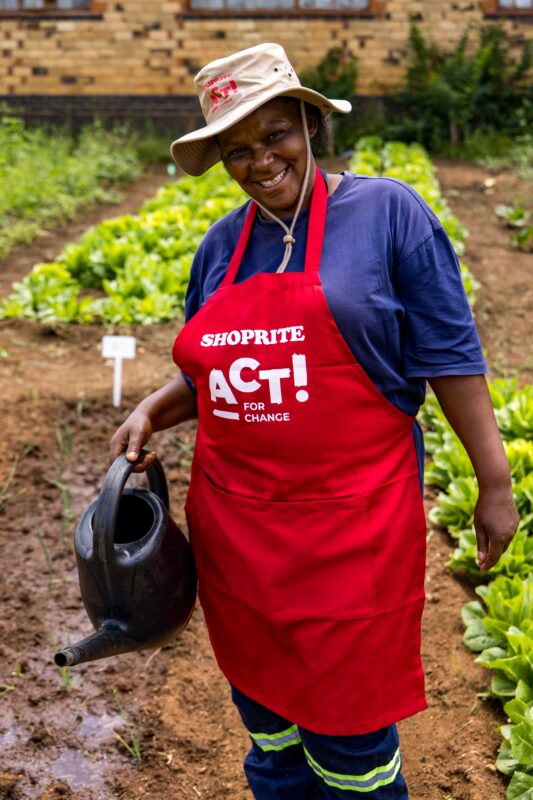
For P Agricultural Group in Soweto, which placed third, the competition has helped challenge perceptions about agriculture and who can participate in the sector.
“People who once saw farming as something that belonged in rural areas are starting to see agriculture as an opportunity for themselves – something they can learn from, earn from and be part of,” says Phetole Raseropo, project manager at P Agricultural Group.
Other winning gardens have also translated their awards into practical improvements, from expanding their growing spaces to improving soil health and sharing new skills.

In Gauteng, Hope Park Children’s Health Campus Garden has established a second garden. Meanwhile, Plenty Green Africa in Tsakane has redesigned its growing space and is applying lessons from training in soil health, pest control and seed sowing.
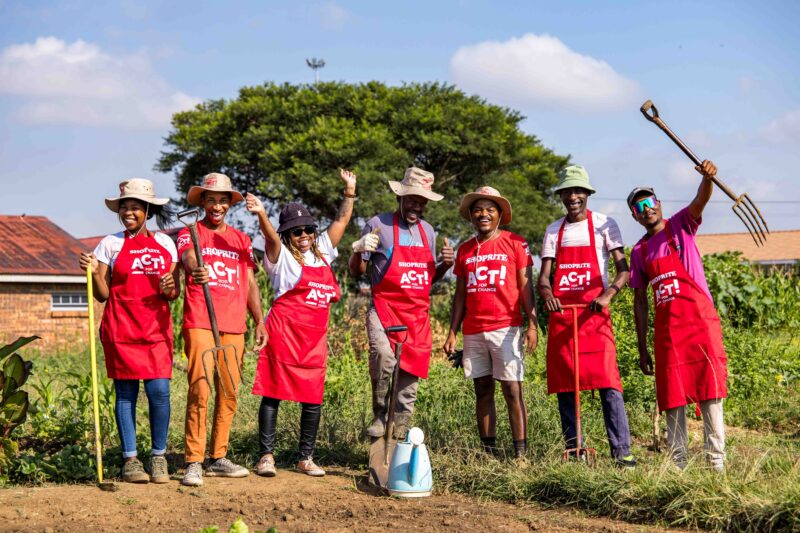
In Gonubie, Eastern Cape, the Food Security Project is working to restore its soil through the use of wood-chip mulch and improved compost-making methods.
Gardener Delight Omoike says some beneficiaries are also keen to apply what they have learnt about permaculture and making compost with worms at their own homes or fields, extending the benefits beyond the project itself.
Part of a broader food security effort
The second competition forms part of the Shoprite Group’s broader investment in community food gardens. In July 2026, the retailer reached a milestone of supporting 300 community food gardens.
The group is also creating opportunities for participating gardens to connect with consumers and generate income from their produce.
On Tuesday, 27 October 2026, food gardens already participating in Shoprite’s programme will have an opportunity to showcase and sell their fresh produce in stores during the next Act For Change Market Day. The initiative will take place across South Africa, Botswana and Namibia.
Through the second competition, Shoprite hopes to attract even more community gardens that are already making a difference and need additional resources, infrastructure or skills development to strengthen their work.
For eligible gardens, the competition offers an opportunity to build on their existing efforts, improve food production and extend the benefits of fresh food and agricultural skills to more people in their communities.
READ NEXT: Palesa proves small-scale farming can feed communities, retailers