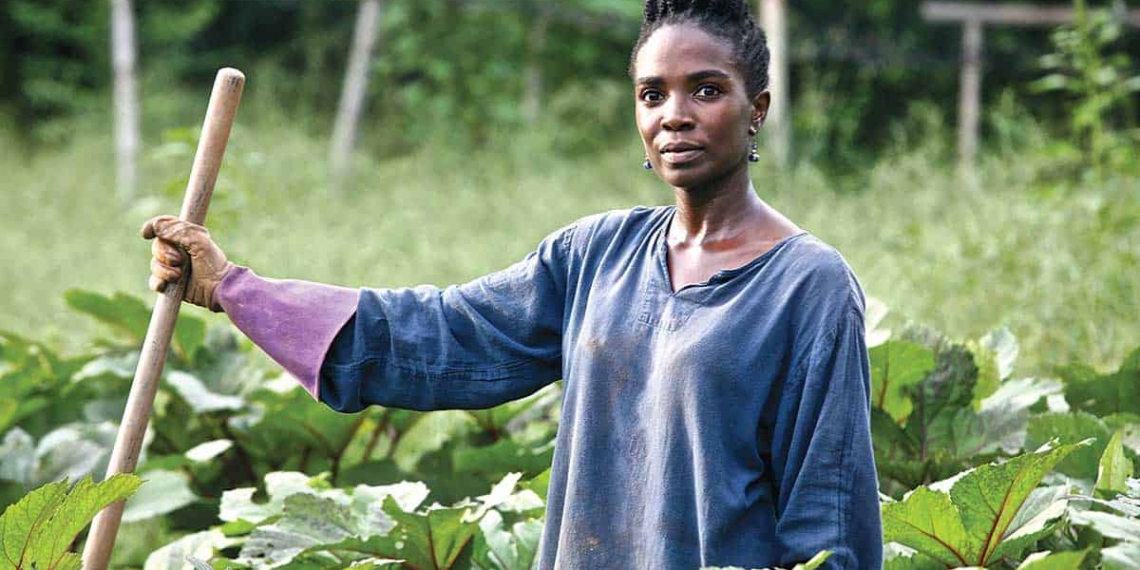

Access to finance, land and markets remain key barriers for women entrepreneurs in agriculture. When devising policy, governments should be mindful of these obstacles and be deliberate about supporting women in agriculture, creating an enabling environment to help harness their passion.
Speaking at the GIBS Entrepreneurship Development Academy and Corteva Agriscience roundtable event for women in agriculture, Dr Kolli Venkata Subbarao, president: Africa and Middle East of Corteva Agriscience, said building an enabling environment for women entrepreneurs in agriculture is important as they play a critical role in the sector.
“We aim to form solid partnerships to create an integrated structure and help entrepreneurs maximise production and connect to the value chain.”
A 2018 study conducted by Corteva Agriscience found that around the world, women play a critical role in agriculture – representing an estimated 43% of the world’s food production workforce and more than 25% of its farming population.
Women overcoming barriers
Women are critical for the successful feeding of the world, and as such Corteva ensures that women across the world have the tools they need to be successful.
ALSO READ: How Musa went from beginner to winner in just one year
Women in agriculture do not just have the ability to produce and make money, but to also uplift their communities, ensuring that their employees and their families have access to education and what they need to be successful.
The respondents identified five actions they believed would help overcome barriers facing women in agriculture:
- better training in the practical use of agricultural technology and in land management;
- better access to academic education;
- protection and support for women experiencing gender discrimination;
- raise public awareness of women’s success and importance in farming and agriculture; and
- raise public awareness of the negative impacts of gender discrimination.

Implementing policy adjustments
Innovative solutions are needed to maximise the potential of women in agriculture, minister of agriculture, land reform and rural development, Thoko Didiza said.
Didiza said women policy makers and leaders must act as change agents in the sector to tackle issues of access to land, markets and affordable financing.
“Policy makers need to work with women who are in the agriculture space as they have valuable experience. They meet each other halfway.” – THOKO DIDIZA
Betty Kiplagat, head of government affairs and sustainability for Corteva Agriscience Africa and Middle East suggested policy makers listen to the inputs of women in agriculture and be sympathetic to the challenges they face. Working with governments is important to ensure the correct policy frameworks are in place to address women’s issues in agriculture.
Almost half the world’s farmers are women, and women account for one out of every ten farmers actively running farms in South Africa. Unfortunately, it is widely acknowledged that women in the agricultural sector are not equal to their male peers in terms of economic return and employment.
Therefore, empowering and investing in women, specifically in rural areas, will significantly increase productivity while ultimately contributing to economic growth and job creation. Providing women with the ability to produce and become profitable from their farming endeavours also uplifts communities and feeds a growing population.
Entrepreneurship across agricultural value chain
Access to affordable finance remains a significant barrier for many women agripreneurs. Didiza said a blended finance initiative between development finance institutions and the private sector, that was recently launched, would enable entrepreneurs and especially women to get affordable access to finance.
“Finance is key, and it needs to be made accessible to women.”

The CEO of Green Terrace Farm, Mbali Nwoko, encouraged entrepreneurs who need capital to start small.
“Start with what you have and gradually grow. Identify which market suits your business model and do a significant amount of research to determine the right products and markets,” she said.
Women entrepreneurs face multiple difficulties in securing funding due to a lack of collateral in the form of land and other tangible assets.
Nwoko advised women entrepreneurs in the agricultural space to lower their perceived risk when applying for funding by providing proof of their business concept, and by demonstrating that there is a demand for the product or service being offered to the market.
Coupled with this, they should provide proof of letters of intent from potential clients and have good financial records, said Nwoko. “Every financier wants to see good financial records or a very strong balance sheet.”
Entrepreneurs should be able to demonstrate that they have invested their own funds and collateral in the business to show financiers their commitment.
Grant funding or seed capital opportunities exist in the agriculture space, especially for women who have solved problems in agriculture through the use of technology, Nwoko added.
Didiza explained that agriculture has a very long value chain, and as such there are multiple entry points for entrepreneurs besides production, including the logistics chain or by becoming traders or market agents to help farmers access markets for their products.

Agbiz chief economist Wandile Sihlobo explained that agriculture remains an important sector for the economy and job opportunities in Africa.
“Women have always been involved in agriculture, and they must be encouraged to participate across the agricultural value chain,” he said.
There remains a lack of women-owned suppliers and businesses in the agricultural sector, and agriculture needs to be more transformative to allow women-owned businesses to do trade with corporates and along the value chain.
“Young farmers must network with commercial and established farmers in order to develop important strategic relationships,” Nwoko added.
They can do this by attending farmer field days hosted by input suppliers, such as Corteva, as well as similar forums hosted by government in their regions.
Such forums enable farmers to meet fellow farmers and share best practice, as well as allowing for interaction with agronomists and crop advisors.
Stimulating job creation

Managing executive for GIBS Social Education, which includes the Entrepreneurship Development Academy, Miranda Hosking, stated that agriculture remains a key sector for the economy, with much hope resting on the sector to stimulate job creation.
“We cannot underestimate the importance of agriculture in strengthening the lives of our communities,” Didiza said.
“From a policy point of view, we must work in partnership with farmers.”
There is need for more partnerships similar to the Corteva Women Agripreneur programme, and companies and government need to work together and be deliberate in their intention to help support and include more women in agriculture, Subbarao added.
Nwoko concluded that women’s participation in agriculture must be encouraged across the sector and at all levels, from farm to board, to ensure that gender inclusivity in the agriculture space remains an imperative.
“Women need to be supported in their ideas, viewpoints, initiatives and contribution to the sector,” she concluded.