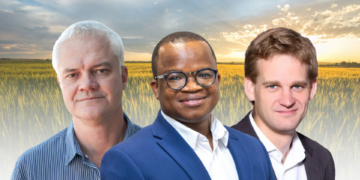
If you have not heard or read about mariculture before, stick around because you are about to discover a world brimming with exciting opportunities. In this session of Food For Mzansi’s #GatherToGrow Twitter space, experts share their knowledge on mariculture and opportunities for new entrants.
According to David Fincham, director of David Fincham Aquaculture in Gauteng, mariculture is the cultivation and harvest of marine flora and fauna in a controlled saltwater environment.
“Mariculture is growing rapidly around the world. One of the most exciting things about mariculture is that there is so little that we know about fish in the ocean and the ocean itself,’ Fincham explains.
He says there is real opportunity to develop mariculture systems in South Africa.
“I do believe some of our pioneers in this space are probably a few years ahead of where they needed to be but they’ve certainly laid great foundational work for the farming of Dusky Kob fish and yellow tail.”
SA is an important player
Timothy Juries, managing director for Atlantic Ornamental, says mariculture is a subsector of aquaculture.
In South Africa, species that contributes the most to mariculture is abalone. South Africa, Juries explains, exports roughly 1 500 tonnes of farmed abalone to the East. This abalone is produced on roughly 14 documented farms in the country.
However, mariculture in South Africa is not as easy as players would like it to be.
“Farming along the South African coastline remains rather difficult due to our coastline being very dynamic, there’s lots of waves, currents and water temperature changes,” Juries says.
During the session, experts also discuss the following:
- Different ways for new entrants to participate in the industry;
- New farming systems that are being explored in South Africa;
- Challenges that need to be addressed within the industry, and more.
READ NEXT: Grab indaba tickets before they’re gone!
Sign up for Mzansi Today: Your daily take on the news and happenings from the agriculture value chain.