Europe’s irreversible path to clean energy will fundamentally impact the nature of its economic partnerships with other nations. Evelyn Smail explores the implication for South Africa in an article published in The Green Economy Journal.
A new analysis by Brussels think tank Strategic Perspectives shows that the European Union is on a permanent path away from fossil fuels.
The report, Turning the European Green Deal into Reality, describes the potential socio-economic effects of achieving the European Union’s robust climate target for 2030. Its findings also show that the EU is already firmly and irreversibly advancing this green transition, despite the recent rush to build new gas and oil infrastructure to decouple Europe from Russian energy.
With high gas, oil and coal prices driving inflation, the transition will also become a competitive advantage for European businesses and help protect households from the cost of living crisis. Climate-friendly solutions – whether renewables, electric vehicles, heat pumps or home renovation – have the potential to reduce energy bills and stabilise inflation. Moreover, with renewable energies becoming ever cheaper, Europe’s energy decarbonisation is becoming an increasingly cost-effective and strategic choice.
“Turning the European Green Deal into reality will bring greater energy security and economic prosperity,” said Linda Kalcher, executive director of Strategic Perspectives. And already, households and businesses are benefitting from these cleaner, more efficient technologies, finds the report.
Europe’s new green economy
The analysis outlines the transformation of the European economy by 2030, should governments implement the laws to achieve the European Green Deal and reduce net emissions by at least 55% by this date.
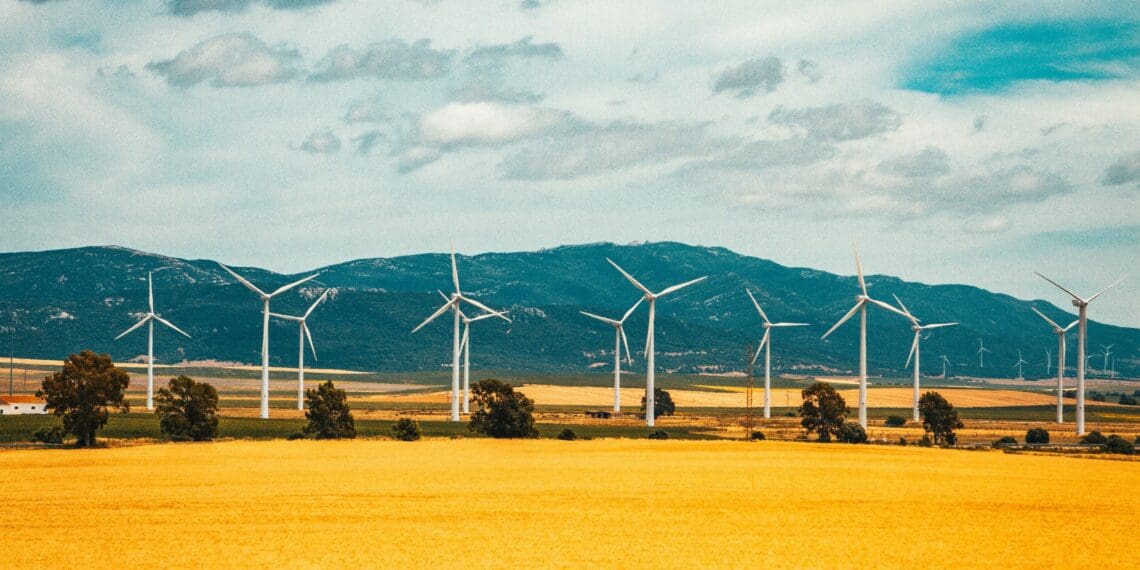
According to the modelling, based on data provided by Cambridge Econometrics, wind and solar power will account for 55 per cent of total electricity consumption by 2030.
“Solar and wind energy will be deployed over three times faster than in the last 20 years,” said Kalcher. “This will reduce electricity prices for industry, improving its competitiveness.”
Regarding heating and transport, at least 58 million heat pumps will be installed, and around 29 million electric passenger cars will be on European roads by the end of the decade.
These new green technologies will steadily replace fossil fuel-based markets, meaning coal will no longer be cost-competitive and will be phased out by 2030. Gas consumption will also fall by at least 31% across the EU, according to the analysis.
Regarding the climate impact, the deal will cut the equivalent of Germany’s annual gas consumption in just seven years, said Neil Makaroff, director of Strategic Perspectives. “The new world is powered by clean technologies,” he said.
Increased energy security, lower bills and more jobs
The report highlights the positive outcomes from the potential new landscape, at the national, business and household levels. Europe will benefit from increased energy security by 2030 as a result of the deal, with gas and oil imports down by 17% relative to 2019, and coal down by 73%.
The deal will also bring down inflation and energy prices. The deal is forecast to lower average electricity prices by 7% while bringing down inflation and stabilising it at 1.5%. Crucially, the transition will create 475 000 net jobs. Through such benefits, the deal has the potential to improve the quality of life for millions, states the report.
Therefore, as well as advancing urgent climate action, the deal also serves as a vital “shield” against the cost of living crisis, said Makaroff. “With its green laws, Europe is protecting the wallets of households and businesses as they provide all the solutions to cut energy bills and move away from gas, oil and coal, which are the main drivers of high inflation.”
South Africa: New economic partnerships for green technologies
Europe’s pathway will fundamentally impact the nature of its economic partnerships with other nations, with fossil fuels now on their permanent, structural decline. “Countries seeking to export gas, coal and oil to the EU should not fool themselves: consumption is going down, irreversibly,” said Kalcher.
The implication for South Africa is that Europe was the buyer of almost 30% of the country’s coal exports in 2022, and this market is set to all but disappear within the decade. Instead, Europe is seeking to develop new economic partnerships for critical raw materials and net-zero technologies that foster a global decarbonisation dynamic. For South Africa, this presents opportunities for new mutually beneficial trading arrangements, helping to create new future-proofed industries and jobs at home.
Conversely, not seizing new demand opportunities for decarbonised products risks losing key trading and investment partners, whose interests have moved on from fossil fuel-based products and economies.
“New economic partnerships on green technologies are the better choice for both sides,” said Kalcher. “Europe is not backtracking on its promises and many businesses are already benefitting.”
This article first appeared on The Green Economy Journal and was written by Evelyn Smail.
READ NEXT: Grab indaba tickets before they’re gone!
Sign up for Mzansi Today: Your daily take on the news and happenings from the agriculture value chain.
Sign up for Mzansi Today: Your daily take on the news and happenings from the agriculture value chain.