For any farmer, seeing the fruits of their labour is deeply satisfying, especially if they were a little unsure of how 2024 would start. For Mpumalanga-based farmer Njabulo Mbokane, the year kicked off on a high with her first harvest turning out to be a huge success.
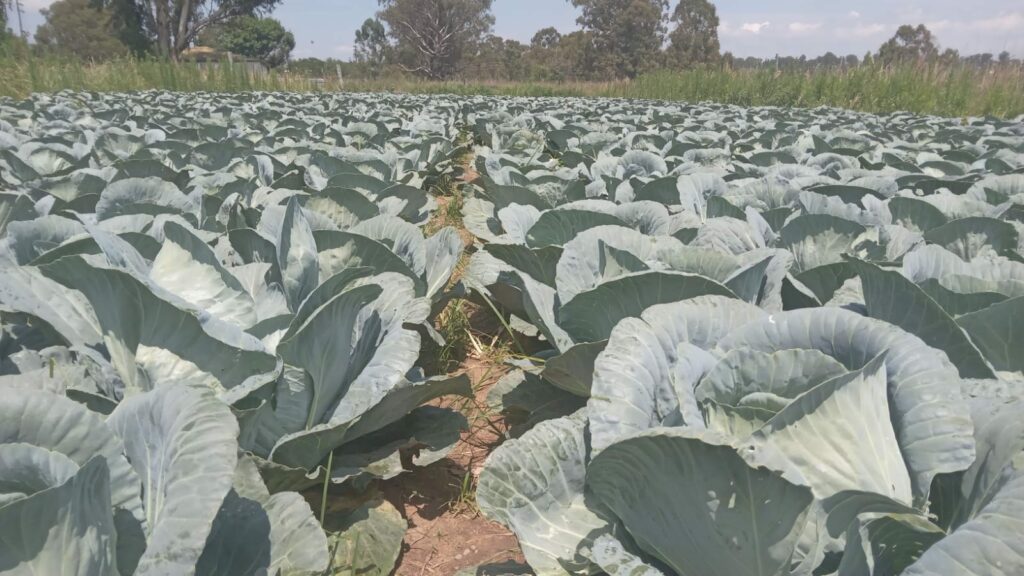
“Oh my goodness, our first crop it is cabbages and I’ve got a reason why,” she enthusiastically shares. “January is normally a difficult month for everyone, so why not give people what they can afford? Why not produce something that everybody can afford in January?”
Do your homework
Mbokane started harvesting in the second week of January and she is still not done yet. Her approach, she shares, is strategic.
“I was so happy. Even my produce, it looked amazing. I’m not done harvesting; it still looks amazing. I always take a sample to the market, especially at my regular spot, which is a local grocery store that has been my partner since 2020 when I started with vegetables,” she says.
Her negotiation strategy involves careful market observation before engaging in discussions. “It’s always important as a farmer to first see how much they’re selling it for. Before you go and negotiate, just go and see how much they’re selling it [for], and then that’s how you are able to say, ‘Okay, this is how much I can sell it for.'”
Market and seed selection
To ensure a steady supply, Mbokane follows a strict planting schedule. She says it is important to be consistent and plan thoroughly.
“We plant every fourth night. We did the planting in stages so that we know that we cater for our market. I am very happy that it came out the way it did.”
The foundation of a successful vegetable farm lies in the seeds chosen for planting. Mbokane says her preference is Optima Cultiva, a cultivar they have trusted for an extended period.
“I buy my seedlings from a trusted nursery. They’ve been supplying me since 2020. I prefer them because they’ve never disappointed me before.”
Ensuring the land is clean before planting is a fundamental step in her success. Mbokane believes maintaining a clean planting environment sets the stage for healthy crops. She also highlights timely and programmed spraying as an essential aspect.
“I made sure that our workers, they know when is the right time to spray, going according to the programme so that we do not make any mistakes.”
ALSO READ: Farmer Mentor: Mthombeni’s mega farm is bursting at the seams
Navigating challenges and cultivating growth
As she embarks on her agricultural journey in 2024, the uncertainties Mbokane face are palpable. Climate change, she highlights, is significantly impacting the farming landscape, evident in unexpected events such as floods.
Then there is the challenge of securing financing for the upcoming season and the perpetual struggle for land ownership.
Despite the hurdles, Mbokane are adapting and finding new opportunities. For the first time, farming on the scale that she does, she had to finance her own production inputs.
“I had to do a bit of loans, but I’m so proud of myself because instead of giving up, I still planted with my own money,” Mbokane shares.
This farmer’s dream for 2024 is ambitious – to plant at least 100 hectares of grains and expand into new lands for cultivating vegetables.
In pursuit of growth, Mbokane shares that she is in talks with fellow farmers for potential partnerships and seeks mentorship to navigate the complexities of the agricultural landscape.
BOOK NOW: Top farmers to headline Mzansi Young Farmers Indaba
How she’s grown since in five years
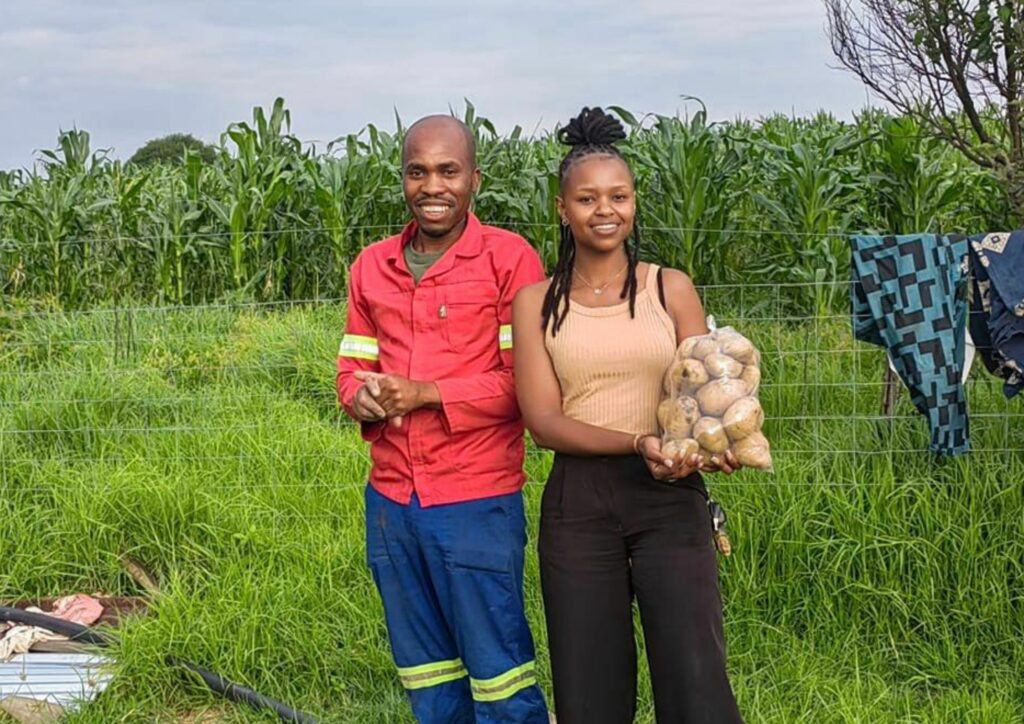
Since speaking to Mbokane last in 2019, she has grown quite a lot, both in business and education. She recently planted soya beans on 80 hectares. She used to plant on 200 hectares but due to the land she has access to now, she had to decrease her planting. In the coming planting season, she will be planting half soya and half maize.
She was able to use the savings from her farming business to buy property to rent out to help with the cashflow. Mbokane never stops learning.
“I graduated from the Women Agripreneur Programme [at] the Gordon Institute of Business Science. I [also] got certification from the African Management Institute and Dunamus Agri Advisory, which was training offered at no charge sponsored by Farmsol.”
Among other things, she is currently working on packaging dry produce such as whole maize, crushed maize, sugarbeans, and even looking at milling her own maize meal.
“The goal this year is to get my own farm, which will have livestock, vegetables, and grains,” Mbokane shares with excitement.
READ NEXT: In pictures: How mentorship transformed this KZN dairy farm
Get Stories of Change: Inspirational stories from the people who feed Mzansi.