Bakhusele Mathupha was not happy to sit back and watch as hunger and poverty ravaged his community. He knew something had to be done, so in 2019 he took a bold step to establish Phawu Likum AgriPak, a revolutionary farming business in kuGatyane, Eastern Cape.
Phawu Likum AgriPak is a powerful example of how innovative solutions can tackle pressing issues and make a lasting impact. When Mathupha founded the business he wanted to establish a project that not only provides food but educates and uplifts the community.
“We support communities to heal the social fabric, acknowledging and using the wealth and resources they have; and enabling them to become strong, empowered agents of their own destiny.”
“Healing in the community is something we ourselves are living through each day,” he says.
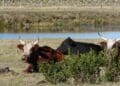
Phawu Likum AgriPak breeds a wide range of livestock such as chickens, cattle, and pigs, which play an important role in delivering organic manure for fertilisation.
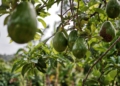
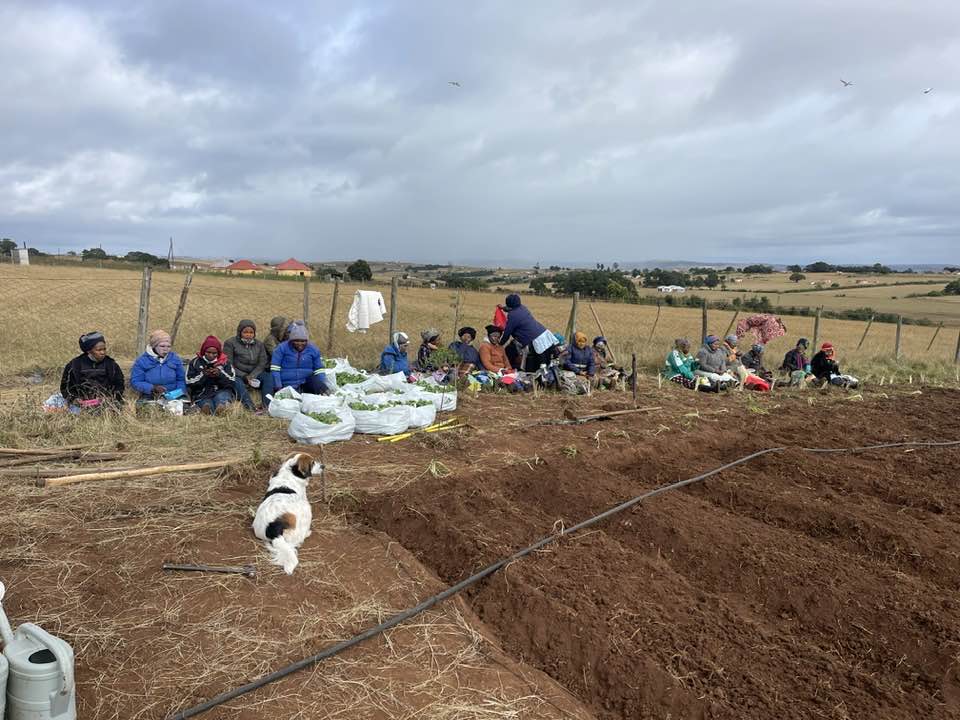
They also produce herbs and crops that are as diverse as the needs of the community they serve. This includes cabbage, spinach, spring and yellow onion, eggplants, and carrots to more niche crops like marigolds and chamomile. There is also flowers found on the two-hectare piece of communal land.
Community development
Mathupha says they focus on educating the community about the benefits of food forests, water harvesting, and conservation. They also look at how balancing carbon emissions and transforming the surrounding ecosystem has contributed to developing a healthier, greener community.
He says addressing food insecurity is critical because of its broad implications for health, education, and economic stability.
“By ensuring access to nutritious food, communities can thrive, children can excel in school, and individuals can break the cycle of poverty.”
He adds that the community’s fundamental food requirements include access to fresh produce, sustainable farming methods, and nutrition and food sovereignty education.
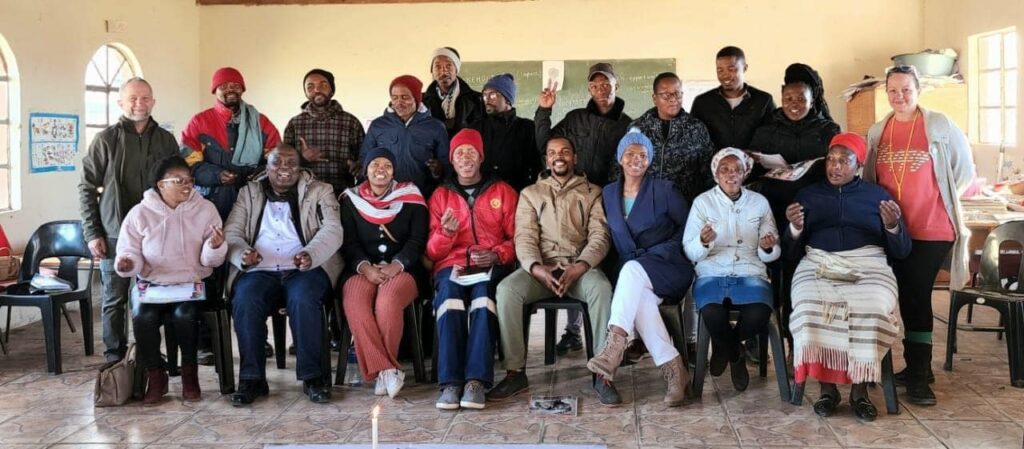
Effective community engagement is at the core of Phawu AgriPak’s success, explains Mathupha. By working directly with rural homesteaders, particularly elderly women, the project ensures inclusivity and empowerment.
“Through workshops, training sessions, and market days, community members are actively involved in every aspect of the project, fostering a sense of ownership and pride.”

Doniah Fudeumele, a supervisor and community member, shares that before the project, their home garden’s vegetables just grew without looking good or thriving. However, after joining the project, they’ve learned a lot, and things have improved.
“We’ve gained knowledge on smart farming techniques, such as creating raised beds, which effectively retain soil moisture.”
She mentions that instead of blowing the grass away, they now appreciate how it contributes to farming. The grass enhances the soil, maintaining moisture and shielding the crops from dehydration.
READ NEXT: Sisters in farming: Limpopo ladies forge cooperative success
Mathupha reports that in 2022, 200 fruit trees, 200 wild olive trees, indigenous herbs, green leafy vegetables, soybean, sunflower, vetch, buckwheat, a variety of flowers, and wild plants were successfully planted.
The project collaborates with Shoprite and they supply their fresh vegetables to the Shoprite in Idutywa. They rent a truck that costs R1 500 to transport vegetables there, and they do this every month.
Mathupha says they pay themselves every 30 days, and Fudumele keeps track of what they sell and give to schools.
Instead of selling to big stores, Mathupha says they want to have organic market days in all the nearby communities every week, all year long.
In addition to paying the farmers, the project uses its funds to purchase new plants and seeds, as well as essential infrastructure like water tanks.
READ NEXT: Soil to shelf: Sidzumo turned hardship and hunger into hope
Livestock feeding strategy
When he posted on social media that his chicken eats eggs, many people were baffled as to why he would waste edible food on chickens. But there is a reason, explains Mathupha.
“Feeding chickens eggs is a sustainable method that provides critical nutrients while reducing waste. Similarly, pigs are fed a balanced diet to ensure their health and well-being. The use of cover crops, rainwater harvesting, and greywater recycling further enhances the sustainability of farming practices, mitigating water scarcity and soil erosion,” he explains.

According to Mathupha, integrating animals like chickens and pigs into the permaculture food forest is not just a practical choice, but an essential part of the project’s regenerative agriculture strategy. Their natural behaviours and digestive processes produce nutrient-rich manure, which helps enrich the soil and increase its fertility and vitality.
To make the project as sustainable as possible, Mathupha says the team has implemented innovative practices like rainwater harvesting and greywater recycling. These techniques help them make the most of the available water resources, ensuring that the project can thrive even in times of drought or other water shortages.
Phawu AgriPak is a shining example of how agroecology can be used to build a more sustainable future for generations to come, Mathupha believes. In the meantime, he is doing his bit to create a better world those in his community.
ALSO READ: Mudau nurtures future livestock farmers in Limpopo’s bushveld
Sign up for Mzansi Today: Your daily take on the news and happenings from the agriculture value chain.