South Africa is experiencing an unprecedented outbreak of foot-and-mouth disease in five of its nine provinces. Even though further spread is being curbed through restrictions on animal movement, farmers are urged to play their part by safeguarding their herds’ health status.
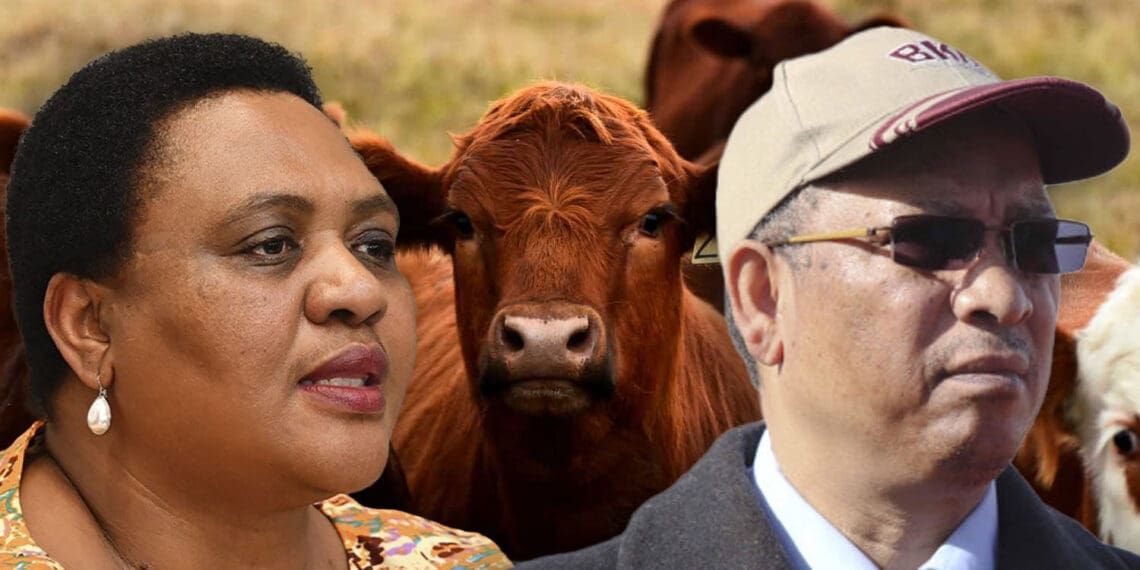
According to national agricultural minister Thoko Didiza, livestock owners need to be reminded that foot-and-mouth disease (FMD) is easily transmitted when cattle are moved from infected premises.

Just yesterday (Monday, 11 April 2022) Didiza confirmed a livestock handler’s arrest in Limpopo due to his moving of goats from the FMD-controlled zone into the FMD-free zone.
“All farmers, livestock owners, members of industry and other stakeholders are urged to use caution when buying cattle. Protect your herd from becoming infected with FMD by following the ‘buyer beware’ precautions,” Didiza says.
Western Cape minister of agriculture Dr Ivan Meyer also cautions farmers about the risk of buying livestock of unknown origin.
“According to state veterinarian Dr Vivien Malan, animals can be spreading the disease without showing any clinical signs of foot-and-mouth disease as they shed the virus before any signs of the disease can be seen,” Meyer says.
ALSO READ: FMD outbreak: Didiza confirms livestock handler’s arrest
Advice from Didiza and Meyer
Both agricultural ministers believe there is a high risk of spreading FMD through the movement of cattle and other cloven-hoofed animals to other parts of the country.
However, farmers can protect their livestock by applying biosecurity measures. All of these are sound principles to follow to prevent the introduction of any disease.
Tips from minister Thoko Didiza
- Abide by all veterinary movement restrictions.
- Know the health status of the animals in which you are investing.
- Only buy animals that originate from known and proven sources.
- Insist on a veterinary health declaration before animals are brought onto the farm.
- If in doubt, request a health attestation from the seller’s veterinarian.
- Keep the new arrivals to your farm separate from your own animals for at least 28 days, and until you are satisfied that they are healthy.
- Do not move animals showing signs of disease.
- Do not buy animals from unknown origins.
- Do not buy animals originating from known infected areas.
- Improve biosecurity on your farm to protect your animals from diseases coming onto the farm and avoid nose-to-nose contact with the neighbours’ cattle.
- Avoid buying animals from live auctions where animals have gathered from many different origins, especially if not intended for immediate slaughter.
- In essence, where possible, keep your livestock separate from other livestock and report suspicions of FMD to state veterinary services.
Tips from minister Ivan Meyer
- Be vigilant about where new animals come from. Do not buy animals if you do not know their origin or if they come from a place where they had contact with other animals of unknown origin. Only buy from owners with known healthy animals, preferably who can provide a health attestation for their animals from a veterinarian.
- Keep new animals separate for two weeks and monitor them for any signs of disease before mixing them with the rest of your herd. Infected animals can take up to two weeks before showing signs of foot-and-mouth disease, so animals that look healthy are not necessarily safe.
- Do not allow your animals to have contact with animals belonging to other owners.
- Do not allow unnecessary visitors onto your farm.
- Disinfect hands, shoes, clothing, vehicles and equipment on entry to the farm and between groups of animals being kept separate.
- Report any signs of disease immediately to your local state or private vet.
- Do not move or sell sick animals.

Signs of FMD-infected animals
FMD is a severe and highly contagious viral disease of cloven-hoofed livestock, including cattle, pigs, sheep and goats.
The virus is found in all body fluids such as saliva, urine, faeces, milk and the air that diseased animals expel.
Animals get this disease when eating or breathing in the virus from these body fluids. People can also spread the virus through contaminated clothing, shoes, hands, equipment and tyres.
Sick animals get blisters and sores in the mouth and on the feet, making it difficult for the animals to eat and walk. It also often causes drooling.
Sick animals lose weight, do not grow and produce less milk while young calves may die.
Sign up for Mzansi Today: Your daily take on the news and happenings from the agriculture value chain.