Ahead of Food Waste Action Week from 9 to 15 March, the Consumer Goods Council of South Africa (CGCSA) is calling on businesses, government institutions and citizens to unite against one of the most pressing challenges facing the country today.
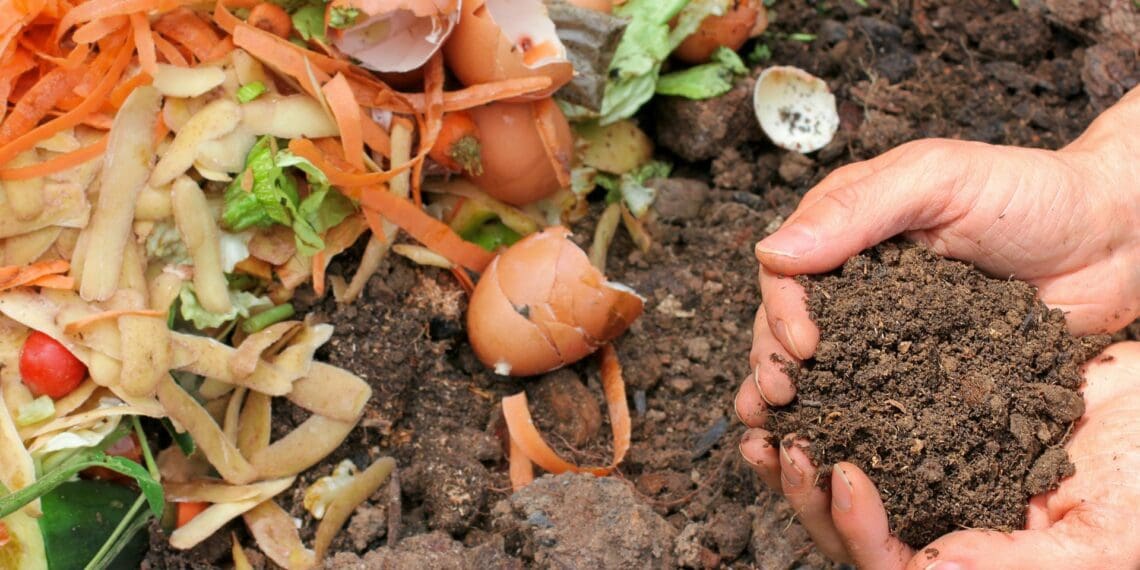
With over 10.3 million tonnes of food, 80% of which is edible, ending up as waste in South Africa annually, the social, environmental and economic impact is staggering. This week-long campaign will focus on shifting mindsets, from farm to fork, to ensure that food is valued, not wasted.
In South Africa, the campaign highlights the importance of collaboration across the entire value chain. By streamlining operations, improving storage, and educating consumers on smarter shopping and cooking habits, the country can significantly reduce the carbon footprint associated with food waste.
Reducing food loss
“Food Waste Action Week is more than just an educating exercise; it is a global call to action. By aligning our local efforts with international partners during this week in March, we are ensuring that South Africa remains at the forefront of sustainable food systems. We must act now to protect our resources for future generations,” said Matlou Setati, food safety and sustainability executive at the CGCSA.
Related stories
- KwaNdaba farmer transforms food waste into farm wealth
- How to effectively manage food waste on farms
- SA’s Ceres Fruit Growers wins top global food safety award
- Middle East conflict: SA farmers brace for impact on agri exports
In response to the food loss and waste in South Africa, the CGCSA in September 2020 launched the South African Food Loss and Waste Initiative, which commits signatories, food manufacturers, retailers, food service organisations and solution providers to collaborate with other businesses and stakeholders within the food sector to tackle food loss and waste.
As of December 2025, at least 141 signatories had pledged to take practical and verifiable measures to prevent and reduce food loss and waste.
“This shows that the initiative is valuable to a broad range of stakeholders in the food value chain, who see it as an opportunity to collaborate to achieve environmental, social, and economic benefits by preventing and reducing food loss and waste.
Already, we have developed a standardised and internationally harmonised food loss and waste reporting tool and core signatories are measuring the food loss and waste in their businesses and reporting annually,” Setati said.
Throughout the week of 9 to 13 March, End Food Waste ZA will be sharing expert tips, success stories, and actionable advice to help South Africans reduce waste in their homes and businesses.
“We encourage everyone to join the conversation online and share their own food waste wins,” she said.
READ NEXT: Targeted supplier development helps Noko Trust thrive