Farmers may decrease waste, save money, and help create a more sustainable food system by managing food waste and using it productively on the farm. An expert shares pointers and recommendations for managing waste on farms.

Ikechukwu Kingsley Opara is a post-harvest technology management expert who is vastly experienced in post-harvest audit and analysis, and sustainability.
He holds a PGDip and MPhil degree in sustainable development planning and management from Stellenbosch University and is currently a PhD candidate at the same institution. His research interest is in food security and sustainability, with a particular focus on post-harvest losses and waste along food value chains.
According to Opara, assessing food waste and understanding how much trash is produced and where it comes from is the first step in minimising it. To find the sources of waste and potential areas for improvement, farmers might undertake a waste audit.
The importance of a food-waste policy
Implementing a waste policy on a farm involves several key steps, including assessment, planning, implementation, and monitoring. Here is a brief synopsis of each of these steps:
Assessment: It’s crucial to evaluate the current condition of the farm before developing a programme to reduce waste. This entails determining the locations, types, and quantities of trash that are created, including waste. Audits and collaboration with farmworkers and stakeholders can be used to collect this data.
Planning: A strategy for reducing food waste can be devised based on the assessment. This strategy may involve measures like cutting back on overproduction, increasing inventory control, composting, and giving away extra food to nearby charities or food banks.
Implementation: It is critical to effectively implement a plan once it has been prepared. This could entail training personnel on new methods, investing in new equipment or infrastructure, or changing the farm’s supply chain.
Monitoring: Finally, it’s critical to continuously assess how well the food-waste programme is working. This can entail monitoring KPIs for waste reduction, gathering input from stakeholders and staff, and modifying the policy as necessary.
“Overall, implementing a food-waste policy on a farm requires careful planning, ongoing monitoring, and a commitment to reducing waste at every stage of the farming process. By taking proactive steps to reduce waste, farmers can not only save money and resources but also contribute to a more sustainable food system,” Opara explains.
Valorisation options
“On-farm food waste valorisation refers to the various ways that farmers can turn their food waste into valuable resources,” Opara says.
“There are several on-farm valorisation options that farmers can use to reduce waste and create valuable resources. By adopting sustainable management practices, farmers can contribute to a more resilient and sustainable food system.”
Here are some valorisation options:
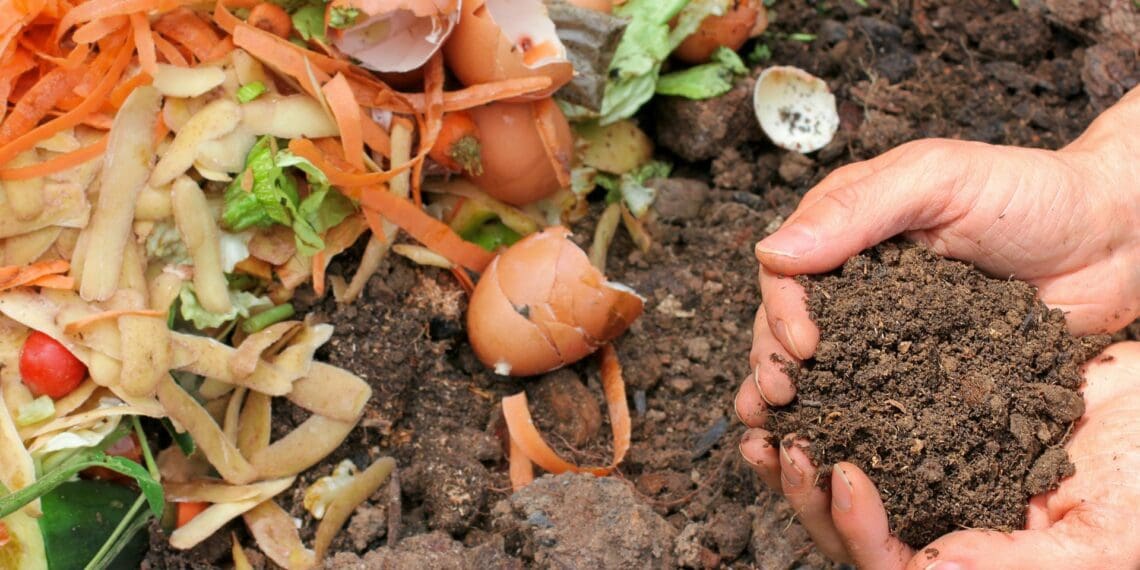
Composting: Farmers commonly use composting to recycle their food waste. Farmers can make a nutrient-rich compost by combining food waste with other organic materials such as leaves and grass clippings. This compost can then be used to improve soil health and boost plant growth.
Animal feed: Animal feed can be made from edible waste. Farmers can give leftover fruits and vegetables to pigs, chickens, and other livestock, providing the animals with additional nourishment while decreasing waste.
Biogas production: Waste can be utilised by farmers to create biogas, a renewable energy source that can be used to run heaters or generators. This could aid in lowering energy costs and advancing sustainability.
Donation: Donations of extra produce or unsold goods might be made to regional food banks, charities, or civic associations. By doing this, food waste is reduced and people in need can receive it.
Value-added products: Farmers can use waste to create value-added products such as jams, sauces, and pickles. This can help reduce waste and generate additional income for the farm.
Fertiliser: Food scraps can function as organic fertilisers. Waste can be combined with other organic materials and used as a fertiliser for crops by farmers.
Vermicomposting: Worms are used in vermicomposting to break down food waste. To recycle food waste and produce nutrient-rich worm castings that may be used as natural fertiliser, farmers can set up a vermiculture system.
Advice to farmers
Farmers can utilise a number of tactics to cut down on waste, including better inventory control, lessening overproduction, and coming up with inventive ways to use damaged or unsellable produce.
“Effective management requires cooperation and participation from all stakeholders on the farm. Farmers can educate their employees and other stakeholders on the importance of food waste management and provide training on how to implement these practices effectively,” he says.
READ NEXT: Grab indaba tickets before they’re gone
Sign up for Farmer’s Inside Track: Join our exclusive platform for new entrants into farming and agri-business, with newsletters and podcasts.