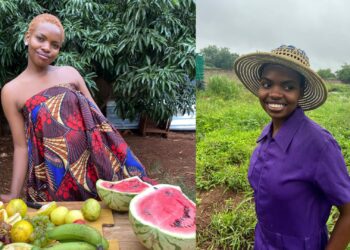
When Windy Malete began her farming journey in the early 1990s, her focus was not commercial success – it was community. What started as a humble effort to support a local initiative has since flourished into a thriving agricultural enterprise. Today, she runs the Malete Farm, which spans over 650 hectares in Bochum, Limpopo, alongside her son and daughter.
Her journey from backyard grower to large-scale farmer has always been grounded in compassion. For decades, Malete has been donating fresh produce – spinach, tomatoes, carrots, and more – to local feeding schemes and drop-in centres.
“The aim was to boost the food drop-in centre, so we started with a small backyard,” she recalls.
“I donate throughout the year. When they don’t have food, I give some so they can eat. Some people don’t have money. NGOs don’t have money. For the sake of the children, I must give them something,” she shares.
Growing with purpose
The Malete family farm produces a wide range of vegetables on 20 hectares of their land, including lucerne, green beans, spinach, carrots, beetroot, onions, baby marrows, green peppers, and brinjals. Much of this fresh produce is sold to markets in Johannesburg.
Their farming activities also include livestock. The family currently keeps around 70 cows, mostly mixed breeds like Bonsmara and Hugenoot, along with a growing herd of goats.
While the land they cultivate is currently leased from the government, Malete remains optimistic about obtaining ownership. “They are going to give me the title deed. I want to grow,” she says.
With secure land tenure, she believes she could plan more effectively for long-term crops like lucerne and potatoes, and invest more confidently in improving irrigation infrastructure.
Even with significant progress, farming in Bochum presents ongoing challenges, particularly around access to water. “Our land is in a very dry area, so there’s hunger.”
Related stories
- Hijacked and left for dead: KZN farmer finds healing in the soil
- Tshwagong: Raising Brahmans, building dreams, feeding Mzansi
- TikTok trailblazer: Botswana’s Mosa farms, leads, and inspires
At present, the family relies on two boreholes: one for livestock and another, currently under repair, intended for crop irrigation.
In addition to water, Malete highlights the pressing need for mechanisation. “The proper tools and machinery would help us grow,” she notes, referring to tractors and equipment essential for scaling operations.

A true family affair
For Malete, farming is not just a profession; it’s a continuation of a family tradition. “My father had more than 300 cows, so I grew up knowing it’s possible to grow. I took it from there.”
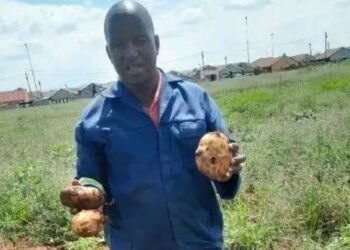
That legacy is now carried forward by her daughter, Lebogang, who manages marketing and communications, using photos and outreach to tell their story. Malete is passionate about mentoring young, unemployed individuals in her village who are interested in agricultural production. One of her mentees, Rudolf, whom she regards as a son, assists with soil preparation, irrigation and operating machinery. Alongside assisting Malete, Rudolf grows his own potatoes and baby marrow that he supplies to markets in Johannesburg
“It’s in the veins, actually. In the blood. We’ve always been farming, generations back,” Rudolf adds.
Beyond her own success, Malete is passionate about inspiring other women to enter and thrive in agriculture. “All the women must stand up. This is 2025. We must stand up and have more power.”
She believes farming empowers women to provide for their families and support those around them. “A woman can do something for the sake of children. Some of them don’t have water, so I help them. Those who have money, I sell to them. Those who don’t, I give.”

Creating jobs and a future
Currently, the farm provides part-time employment to local residents, but Malete has bigger ambitions. “We want to have more than ten people working. I want to register them and create employment in my area, with UIF and all.”
To make this a reality, she is taking steps to formalise the business and access funding to expand operations and build capacity.
For Malete, farming has always been about more than income. It’s about nourishing her community, creating jobs, and leaving a legacy. “If my daughter and Rudolf can take over the farm, then I don’t even have to worry,” she says.


READ NEXT: D-day for SA fruit exporters as 30% US tariff hits