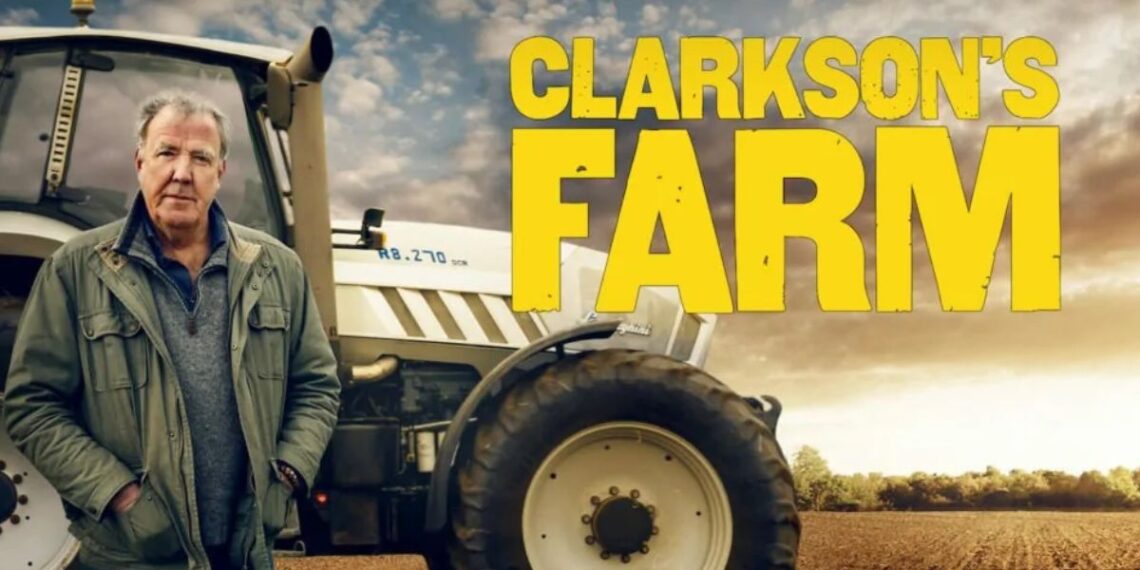
Jeremy Clarkson is famous for burning rubber in fast cars, not planting wheat in muddy fields. But his hit show Clarkson’s Farm has become a hit in Mzansi, giving viewers an unfiltered look at just how tough and unpredictable farming really is.
And while the belly laughs are real, the lessons hit even harder. According to Kobus van Zyl, senior agriculturalist at Omnia Agriculture, Clarkson’s chaos is a crash course in why farming needs more science, more planning and a lot less guesswork.
Farming isn’t about vibes
In the Amazon Prime Video show, Clarkson dives headfirst into decisions, planting crops on hunches and spraying pesticides without checking the weather. That might be great TV, but it’s a recipe for disaster in real life.
“If you don’t have data, you can’t make good decisions,” says Van Zyl. “Whether it’s soil analysis or crop variety research, good data allows you to fertilise accurately, choose the right cultivars (genetic traits) for your region, and ultimately outperform the average.”
Van Zyl warns that farming without diagnostics is like driving blindfolded. “Without a soil analysis, you risk overapplying or underapplying nutrients,” he explains.
“Both come with consequences. Overapplying can harm the environment and waste money. Underapplying leads to poor yields and lower profit.”
Related stories
- Soil sampling: Healthy crops start with healthy soil
- ‘Prioritise soil health and improve fertiliser use in Africa’
- Pesticide poisonings devastate WC honey bees
Spraying in the wind? Big mistake
One unforgettable moment on the show sees Clarkson spraying herbicide in gusty weather – and paying for it when it drifts onto a neighbour’s land. Van Zyl says these aren’t just funny mishaps.
“Spraying in the wind is asking for trouble,” he says. “You can damage nearby crops, lose product effectiveness, and even face claims from neighbours. Good planning means checking weather apps, using the right nozzles, and knowing when to wait.”

Soil is king
Another classic Clarkson mistake? Ignoring the very ground he’s planting in. “Soil health is everything,” says Van Zyl. “It’s not just about nutrients, but about microbial life, structure, moisture retention – the whole system. If you ignore that, your long-term productivity suffers.”
South African farmers, who deal with tough weather and limited water, know this all too well. “The more we protect soil biology, the better our crops can withstand pressure, and we can feed our people,” Van Zyl adds.
Clarkson eventually learns to lean on his team, from Kaleb behind the wheel to Charlie with the spreadsheets.
Van Zyl says that’s the real win: “Working with qualified advisers gives you a feedback loop. It’s not about being told what to do. It’s about discussing options, spotting problems early, and making the most of the season.”
While Clarkson dabbles in eco-friendly practices, he’s often chasing quick wins.
Van Zyl says that’s a missed opportunity: “Sustainability isn’t just good for the planet. It’s good for business. Sustainable practices protect your inputs, preserve your land, and increase your chances of long-term profitability – especially as climate risks grow. The show properly highlights issues farmers deal with every season,” Van Zyl reflects.
“It’s chaotic, unpredictable, and depends on good planning. Clarkson’s mistakes may be exaggerated for laughs. But for farmers, they offer a powerful reminder. Agriculture is a science, a strategy, and a shared responsibility.”
Meanwhile, rumours are swirling about a possible Clarkson’s Farm spin-off after a recent Instagram post set tongues wagging. In the viral clip, Clarkson is seen sampling wines, sparking speculation that he could be lining up an entirely new series.
READ NEXT: Corteva uplifts South Africa’s women farmers