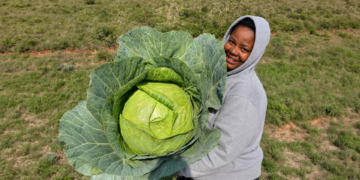
Born from a survey that exposed the obstacles for female farmers, the SoilSistas programme by Corteva Agriscience provides training, mentorship, and a powerful network to help women grow their businesses and find their voice.
Women have long been the pillars of agriculture, yet their vital contributions are often overlooked. They are the hands that plant the seeds, nurture the crops, and feed communities, but systemic barriers have historically confined them to the margins.
Recognising this critical challenge, Corteva Agriscience launched the SoilSistas programme, a movement dedicated to unlocking the full potential of rural women farmers in South Africa and building a more inclusive and resilient agricultural future.
The inspiration for SoilSistas was a direct response to a survey conducted by Corteva, which sought to understand the obstacles hindering women farmers from achieving commercial success.
Betty Kiplagat, government and industry affairs leader for Corteva Agriscience Africa Middle East, explains that the programme was born from a deep commitment to empowering rural women.
The survey found that women were overlooked, lacking crucial knowledge in financial and regulatory matters, and their inability to own land created a significant barrier to accessing finance.
“We saw a need to come up with a programme that would empower women who, as I said, are the backbone of agriculture in our communities.
Betty Kiplagat
“And unfortunately, they are overlooked. They don’t get an opportunity to get into understanding the financial aspects, the regulatory aspects, and even access to finance because they’re not owners of the land.”
The programme’s mission is to provide women farmers with the knowledge, resources, and confidence to grow their businesses and, in turn, transform their communities.
More than just a programme
SoilSistas was designed to address a systemic gap in the agricultural sector. Women farmers often lack access to training, financial support, market access, and, most importantly, mentorship.
While they contribute significantly to food production, they rarely receive this support in a comprehensive package.
“We came up with a programme to bridge that gap, to equip women with technical know-how, business acumen, and to also create a powerful peer network,” Kiplagat states.
The goal is to move beyond mere survival in the sector and enable these women to lead it. By bringing their collective voices together, the women in the programme can begin to tackle larger issues, like land ownership, access to finance, and navigating the complex regulatory landscape.
“We might not solve all the problems through the programme, but when we bring many of these voices together, they would be able to start looking at opportunities that would help them unlock access to finance, land ownership, and also just understand the regulatory space in which they work.”
Since its launch, SoilSistas has evolved from a visionary idea into a powerful, dynamic movement. The programme has supported approximately 100 women across Gauteng and Limpopo, and this number continues to grow.

Kiplagat describes the palpable energy of these women when they gather: “When we sit with them in one group, you can feel the strength, the empowerment that these women now have. They have a voice.”
The programme’s growth has been fueled by strategic partnerships with agribusinesses, local organisations, and media platforms like Food for Mzansi. These collaborations have allowed the programme to expand its offerings to include robust mentorship programmes, where past cohorts now guide new participants.
“Our alumni are now leading examples of what’s possible when women in agriculture are empowered and supported,” says Kiplagat.
Related stories
- Corteva grows future agri leaders through training & support
- From corporate to crop fields, #SoilSista Makofane truly inspires
Milestones and successes
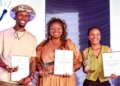
The journey of SoilSistas is marked by numerous proud moments. Kiplagat recalls stories of women who have launched successful businesses and been featured in national and regional media.
Each success story, she notes, is a testament to the programme’s impact. One of the most significant achievements is the positive ripple effect on local economies.
“Women who once struggled to sustain are now employing others and building sustainable enterprises,” she says.
Another key milestone is the partnership with the Gordon Institute of Business Science, which provides participants with access to world-class business education and networks.
Kiplagat also credits media exposure for amplifying the voices of these women, enabling them to sit on panels with ministers and discuss agriculture with newfound confidence and passion.
“It is just such a joy seeing these women come up and shine and be able to talk about agriculture in such a passionate way that would make you want to actually become a soil sister,” she shares.
Corteva’s legacy is a future where women are at the forefront of agricultural innovation. “We want young women who will follow these women now to know that agriculture isn’t just a place for them. It’s a place where they can lead, thrive, and redefine the future of food systems,” Kiplagat shares.
READ NEXT: #SoilSista Serage: From engineer to cultivating tribal land
Looking ahead
Corteva envisions a future where every woman in agriculture has the support and resources she needs to succeed. The goal is to build a robust ecosystem that goes beyond the classroom, with future collaborations aimed at deepening the programme’s impact.
“We still aim at making a meaningful change and deepening the outcome of the program through future collaborations with interested parties,” Kiplagat explains.
“So we want to make it bigger, but we need to ensure that as we do it, we don’t lose the initial meaning.”
To every young woman listening right now, especially those just starting their journey in agriculture, Betty Kiplagat offers a powerful and unwavering message: “Believe in your power to lead. Agriculture needs your voice, your ideas, and your vision. Don’t wait for permission to take your place at the table. If there’s no space for you, build your own.
“The future of farming is female and through programmes like SoilSistas, we’re here to walk alongside you every step of the way.”
READ NEXT: Mother-daughter farmers cultivate heritage, not just crops