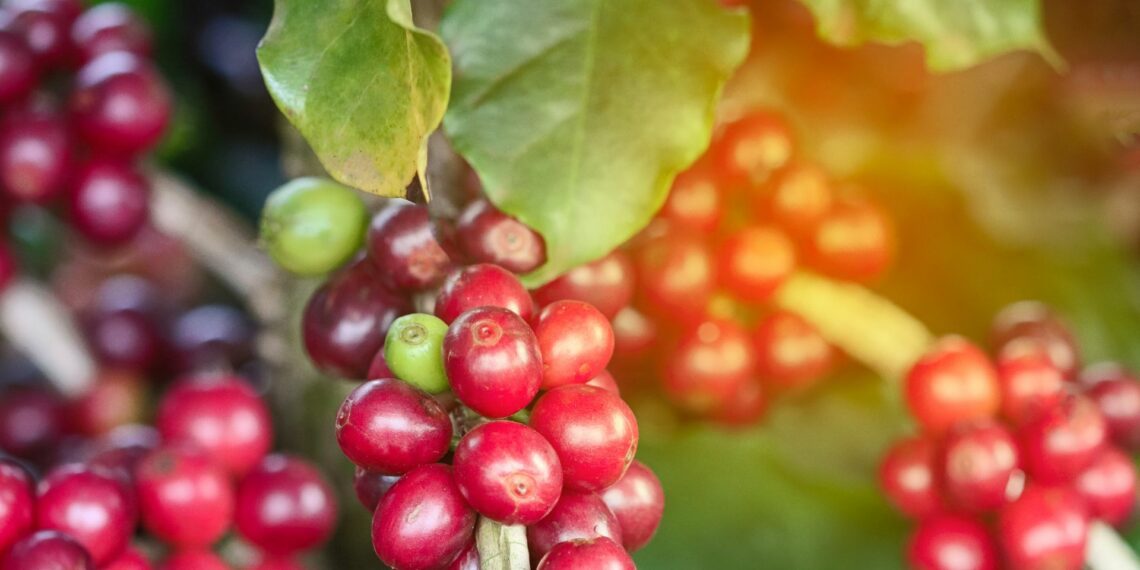

Mzansi’s sun-drenched fruit fields, once bursting with life, now face a formidable foe: darkness. The country’s crippling load shedding, reaching record highs in 2023, has thrown the vital fruit industry into a state of desperate innovation.
Consistent energy is the lifeblood of these farms, powering irrigation, packhouses, and the delicate cold chain that preserves their bounty. With Eskom’s grid flickering like a dying candle, the industry is forced to become self-reliant, digging deep into its resources to secure its survival.
The impact of load shedding ripples through the entire fruit supply chain, from nurseries to export markets. Mishkaat Anderson, Culdevco’s general manager, paints a grim picture: “Irregularity disrupts irrigation and refrigeration, jeopardising fruit quality, size, and processing. It’s a blow to farmers, workers, and our competitiveness on the global stage.”
The cost of this darkness is staggering. Culdevco’s nurseries report a 45% slump in sales as farmers, fearing unreliable power, postpone expansion plans. Monthly energy bills have doubled, with diesel and generators emerging as expensive lifelines.
READ NEXT: 2024: Political will is needed to fulfil agriculture’s growth potential
From Limpopo to Paarl: Tales of struggle and innovation
A Limpopo farmer, his 40 hectares teeming with apples and stone fruit, shares his struggle. “Fertiliser application hinges on irrigation,” he explains. “Load shedding leaves 75% of my trees parched. I’ve sunk R4.4 million into solar power for just one farm, and during stage 6, my generator gulps R3 750 daily. Peak season pushes that diesel cost to a staggering R6 250.”
Across the Western Cape, another fruit farmer echoes the desperation. He’s poured R1.2 million into a hybrid packhouse system, powered by an inverter and solar panels. Yet, the fight for independence continues. “I need another million for more panels and a transmission line to shield my irrigation from the darkness,” he says.

A fight for livelihoods and food security
The industry is digging deep, Anderson affirms. “Farmers are taking matters into their own hands, diverting resources to keep their operations afloat. We’re lobbying for load shedding exemptions at critical export harbours, especially during peak seasons.”
But the struggle goes beyond mere survival. “This crisis compounds the challenges of rising fertiliser and diesel costs,” Anderson adds.
“Yet, I see a resilient spirit in South African farmers. We need collaboration, mitigating actions to ensure the industry’s long-term health.”
The fruit industry, though contributing just 2.57% to GDP, employs 300 000 people and sustains the nation’s food security. Its survival is not just an economic imperative, but a fight for livelihoods and stability.
ALSO READ: ICYMI: Transnet, fruit industry put heads together over ports
Strategies for a brighter Future
Solutions flicker in the darkness. Diesel generators hum, solar panels bask in the sun’s uncertain gaze, and lithium batteries store precious energy. Farmers are even exploring water elevation systems, pumping water to reservoirs for gravity-fed irrigation.
These are the weapons in a war against darkness, each innovation a testament to the industry’s will to survive.
Experts agree: a comprehensive energy strategy is key. Farmers must prepare not just for the present darkness, but for potentially even deeper shadows in the future. In the face of this unprecedented challenge, South Africa’s fruit industry is not just battling for its own survival, but for the promise of a future where darkness won’t dim the sweetness of its harvest.
READ NEXT: Market access: Mapping the way forward for small-scale farmers
Sign up for Mzansi Today: Your daily take on the news and happenings from the agriculture value chain.