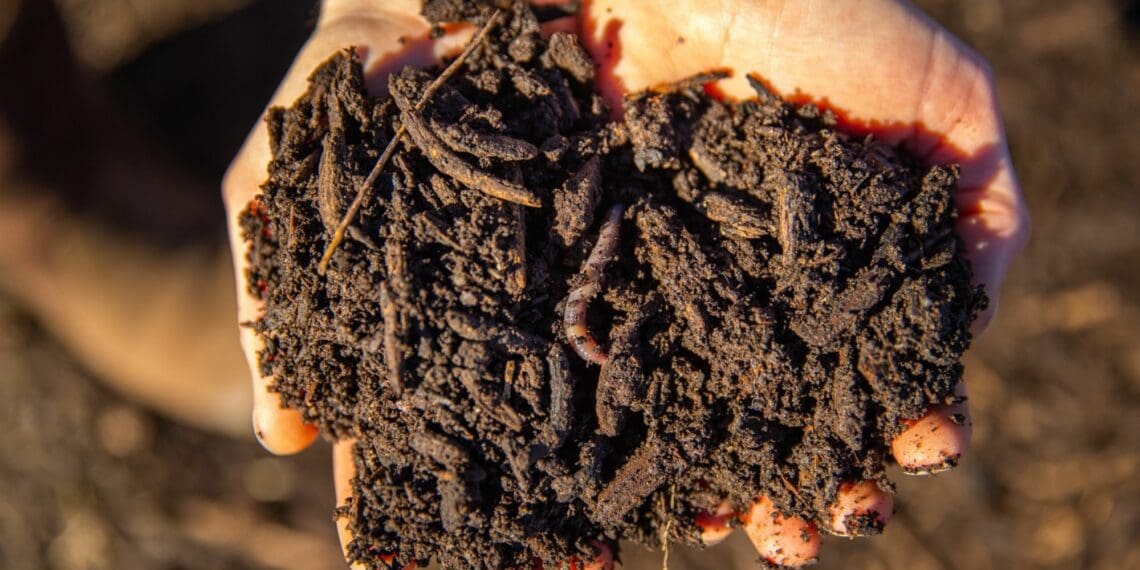
Working with nature is important to ensure the sustainability of your farming enterprise. The soil food web is key to this synergistic partnership we ought to follow, writes Wafiq Essop, an agronomist, soil scientist and farm optimiser at AfriNat.

The soil food web is a complex ecosystem that helps promote healthy soil and optimise its fertility. By increasing the biodiversity of organisms living in the soil, the food web helps to naturally cycle nutrients and increase the availability of essential elements required by plants.
This helps to reduce the amount of fertiliser required to maintain healthy soil, while also improving the overall quality of the soil in the long run.
The soil food web plays a major role in keeping disease pressure and the need for pesticides and fungicides low. The complex interactions between different organisms like bacteria, fungi, and nematodes work together to break down organic matter, cycle nutrients and protect plants from disease.
This, in turn, helps to create a healthy soil environment and a strong natural defence against pests and diseases. Pathogenic organisms simply get out-competed and cannot take hold in that environment since the conditions are not welcoming for them.
Increasing fertility
Additionally, microscopic organisms like bacteria and fungi feed on and break down organic matter, which helps to release essential nutrients into the soil and increases its fertility of the soil. This ensures that plants have the nutrients they need to stay healthy, reducing the need for chemical inputs like pesticides and fungicides.
Overall, a healthy and balanced soil food web is essential for a successful farm, and it should be a priority to nurture and maintain it. If you are new to farming or have recently received a virgin piece of land, do maintain this system well and you will have minimal input costs compared to conventional farming practices.
Below are a few simple techniques you can follow to perk up your own soil’s ecosystem.
Role of cover crops in the soil food web
Cover crops can have many positive effects on the soil’s food web. By introducing a variety of different cover crops, you can increase the diversity of the soil’s microbial life. This increases the overall health of the soil and helps create a more balanced and complex food web.
Additionally, cover crops can help reduce compaction and improve the infiltration of water and nutrients into the soil, which is beneficial for plant growth. Lastly, cover crops can improve soil organic matter, which helps retain moisture and nutrients, and provides food for the soil food web.
How compost and compost tea can help
Compost and compost tea can have a positive effect on the soil food web. It’s a great source of organic matter, which can improve the structure of the soil and increase its nutrient content. Compost tea is a liquid extract of compost, which can be applied to the soil to provide additional nutrients, beneficial microbes, and enzymes.
Both compost and compost tea can help to increase the diversity of beneficial organisms in the soil, such as earthworms, fungi, and bacteria, resulting in a healthier soil food web. This can lead to increased plant health and increased yields.
The role of earthworms
Adding earthworms to the soil has a number of beneficial effects. Earthworms help aerate the soil, breaking down organic matter and releasing nutrients into the soil. This helps improve soil structure and fertility, making it easier for plants to absorb the nutrients they need.
Earthworms also help increase the diversity of organisms in the soil, which in turn helps create a healthier soil food web. They provide food for other organisms in the soil, such as nematodes and protozoa, and they also help break down organic matter, which provides food for microbes and fungi.
In addition, earthworms help control soil erosion by creating burrows and passageways that help keep soil particles in place. All of these effects contribute to a healthier soil food web and create a more productive environment for plant growth.
How microbes will help
Adding microbes to soil can have a number of beneficial effects on the soil food web. Microbes are essential for the cycling of nutrients, which will make them available to plants and other organisms. Microbes also help to break down organic matter, which can help to improve soil structure and fertility.
Additionally, they can help to protect plants from disease by competing with disease-causing microbes. It is also important to add food for the microbes at the beginning stages to ensure they survive and can multiply effectively. Finally, they can also help to create a more diverse soil food web, which can lead to increased productivity and improved soil health.
Good old mulching
Mulching is a great way to protect soil and promote healthy soil food web activity. Mulch acts as a barrier and helps prevent soil erosion, which can reduce nutrient losses. It also helps to regulate soil temperature, providing a more hospitable environment for beneficial microorganisms in the soil food web.
Mulch can also improve water infiltration and retention, and can provide important nutrients to the soil food web. Finally, mulch can provide habitat and protection for beneficial organisms, promoting soil biodiversity. By promoting healthy soil food web activity, mulching can help improve soil fertility and productivity.
The above points are not an exhaustive list of solutions as every farm has a unique set of challenges that need to be tackled accordingly.
- Wafiq Essop, an agronomist, soil scientist and farm optimiser at AfriNat. The views and opinions expressed in this article are those of the author and do not necessarily reflect the views or positions of Food For Mzansi.
READ NEXT: Young agronomist is giving back through agriculture
Sign up for Mzansi Today: Your daily take on the news and happenings from the agriculture value chain.