In the ever-evolving agricultural landscape, soilless farming has emerged as a revolutionary approach, challenging traditional methods and offering a glimpse into the future of food production. Hydroponics, a frontrunner in this domain, eliminates the need for soil, fostering plant growth in a meticulously controlled environment.
Food For Mzansi spoke to Hidaayatullah Tayyib, AquaOrganix CEO and founder, to delve deeper into this innovative technique, exploring its advantages, applications, and potential drawbacks.
Exploring the hydroponic toolkit
The world of hydroponics offers a diverse range of systems, each catering to specific needs and scales of operation. Here’s a glimpse into some popular options:
Hydroponic success: top crops
- Deep water culture (DWC): It’s a simple and accessible method where plants are suspended in a continuously aerated nutrient solution. Ideal for home or educational settings.
- Wick system: Plants situated on a tray above a reservoir draw nutrient solution through capillary action using wicks made from materials like rope or string. This passive system requires no electricity but may be slower than other methods.
- Nutrient film technique (NFT): Plants are positioned above a flowing stream of nutrient solution, ensuring optimal aeration and efficient nutrient absorption. It is widely used in commercial settings due to its scalability and suitability for various crops.
- Ebb and flow system (flood and drain): This method involves periodically flooding a grow bed with nutrient solution, followed by a draining cycle to allow for root aeration. Offers versatility for a wide range of crops.
- Drip systems: A popular choice for both small and large-scale operations, drip systems deliver a precise amount of nutrient solution directly to the root zone of each plant. This method optimises water usage and simplifies nutrient management.
Bypassing soil and embracing efficiency
Hydroponics stands apart by providing plants with the essential nutrients they require for growth, not through soil but directly through a water-based solution.
“This nutrient-rich formula, meticulously crafted to meet the specific needs of each crop, is delivered to the plant’s root system via various mechanisms,” Tayyib explains.
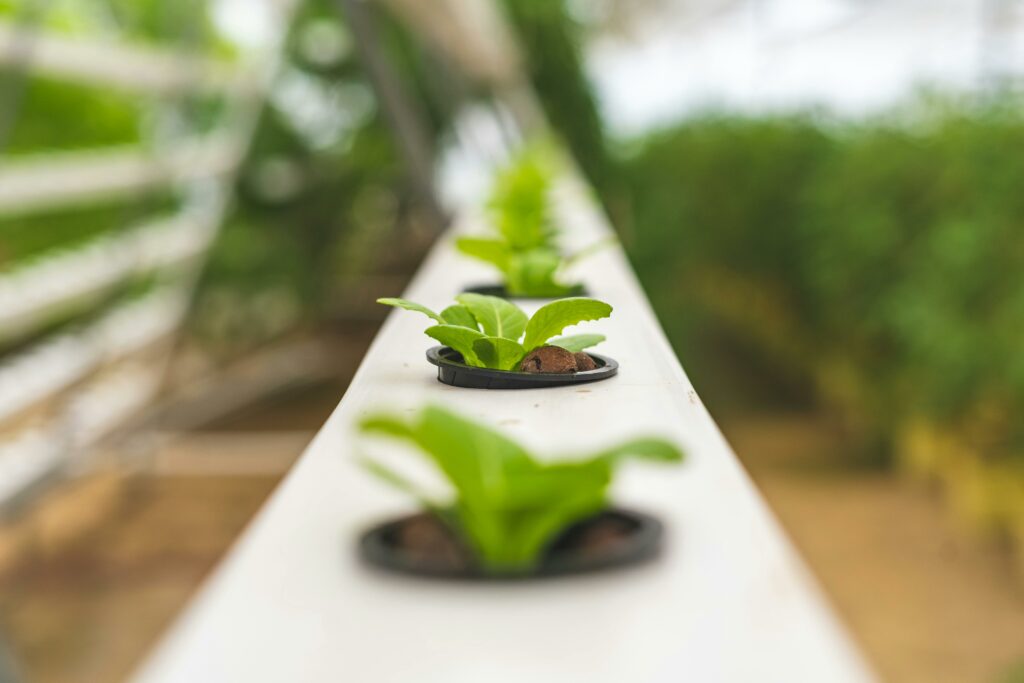
The controlled environment of a greenhouse further optimises this process, enabling precise regulation of factors like temperature, humidity, and light exposure.
He explains that this meticulous control translates into several key advantages:
- Unmatched water conservation: hydroponics boasts a remarkable ability to slash water consumption by up to 80% compared to traditional soil-based farming. This is achieved by the closed-loop nature of many hydroponic systems, where water is constantly recirculated and reused, minimising waste. In a world grappling with water scarcity, this efficiency holds immense significance.
- Enhanced growth and yields: the controlled environment and direct delivery of nutrients lead to a noticeable acceleration in plant growth and a significant increase in yields. Additionally, the optimised oxygen levels within the nutrient solution further contribute to robust root development and enhanced nutrient uptake.
- Reduced labour requirements: hydroponics streamlines the farming process by minimising the need for manual labour. Tasks like weeding and soil cultivation become obsolete, and the controlled environment simplifies processes like pest management. This translates to increased efficiency and potentially lower operational costs.
- Maximising space and urban cultivation: hydroponics doesn’t require vast expanses of land. Vertical farming techniques, where plants are stacked in multi-layered configurations, have become a viable option. This makes hydroponics ideal for urban settings and areas with limited land availability, bringing fresh produce cultivation closer to consumers.
Related stories
- Podcast: Explore soilless farming with hydroponics
- Hydroponics: Here’s what you need to know
- Hydroponic farming: Here’s how to ditch the dirt
Crops that thrive hydroponically
Hydroponic systems are a great way to grow a variety of crops, even in places where traditional soil-based gardening is difficult. Here are some of the crops that do well in hydroponics:
- Leafy greens: Lettuce, kale, spinach, arugula, Swiss chard, and bok choy are popular choices. They tend to grow well in hydroponic systems due to their shallow root systems.
- Herbs: Basil, cilantro, parsley, mint, chives, and dill are commonly grown in hydroponic setups. They require relatively small spaces and can thrive in nutrient-rich water.
- Tomatoes: Certain varieties of tomatoes, especially determinate types that don’t grow excessively large, can be successfully grown in hydroponic systems. They may need additional support as they grow.
- Cucumbers: Compact cucumber varieties, such as bush cucumbers or certain types of pickling cucumbers, can be grown in hydroponic systems with proper support for the vines.
- Peppers: Bell peppers, chilli peppers, and other types of peppers can be grown hydroponically. They may require trellising or support for the plants as they mature.
- Strawberries: Certain strawberry varieties can thrive in hydroponic systems, especially those designed for vertical growing or with elevated platforms for the plants to trail.
- Microgreens: These are immature greens harvested at the seedling stage. Many types of microgreens, including radishes, broccoli, mustard greens, and sunflower greens, can be grown hydroponically.
- Beans and peas: Some dwarf or bush bean varieties, as well as certain types of peas, can be grown in hydroponic systems. Providing adequate support for the plants is essential.
- Squash: Compact varieties of summer squash, such as zucchini or pattypan squash, can be grown in hydroponic systems with an appropriate support structure.
The economic landscape of soilless farming: a promising investment
The financial viability of hydroponics is a compelling factor for many farmers. By cultivating more crops in a smaller space, hydroponics offers significant savings on land and water resources. Furthermore, hydroponically grown produce often commands higher market prices due to its superior quality and consistency.
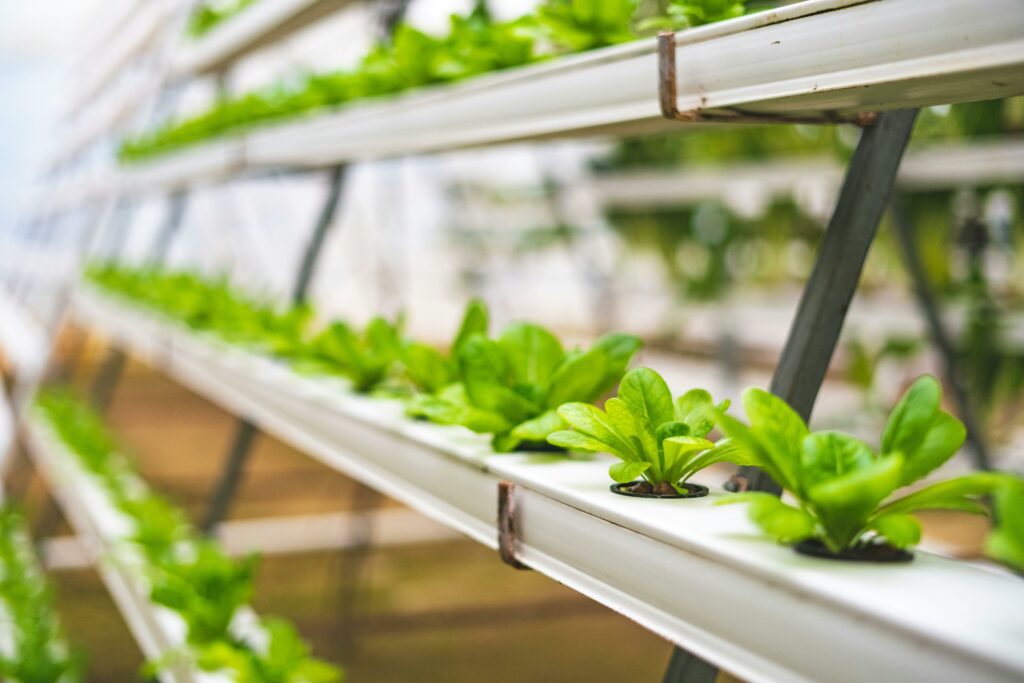
“The game-changer here is the ability to cultivate more in a smaller space, translating to substantial savings on both land and water resources. Furthermore, hydroponically grown produce often commands higher prices in markets, attributed to reduced labour costs – a financial advantage that resonates throughout the entire production chain,” he says.
This combination of factors can lead to a substantial increase in profitability, with estimates suggesting a potential 30 – 50% rise in farmer income.
Considerations and challenges
- While hydroponics presents a compelling solution for modern agriculture, it’s not without its challenges:
- High initial investment: Setting up a hydroponic system can be more expensive compared to traditional farming methods. The initial cost of equipment, infrastructure, and technical expertise can be a barrier for some growers.
- Technical expertise: Hydroponic systems require careful monitoring and management of factors like nutrient balance, pH levels, and environmental controls. A certain level of technical expertise is necessary to ensure optimal plant growth and prevent system failures.
- Limited crop diversity: while hydroponics is suitable for a wide range of crops, some varieties, particularly those with complex root structures, may not thrive in these systems.
- Additionally, the focus on monoculture production in some commercial hydroponic setups raises concerns about biodiversity.
ALSO READ: Podcast: Growing greener and sustainable with organic fertilisers
Sign up for Farmer’s Inside Track: Join our exclusive platform for new entrants into farming and agri-business, with newsletters and podcasts.