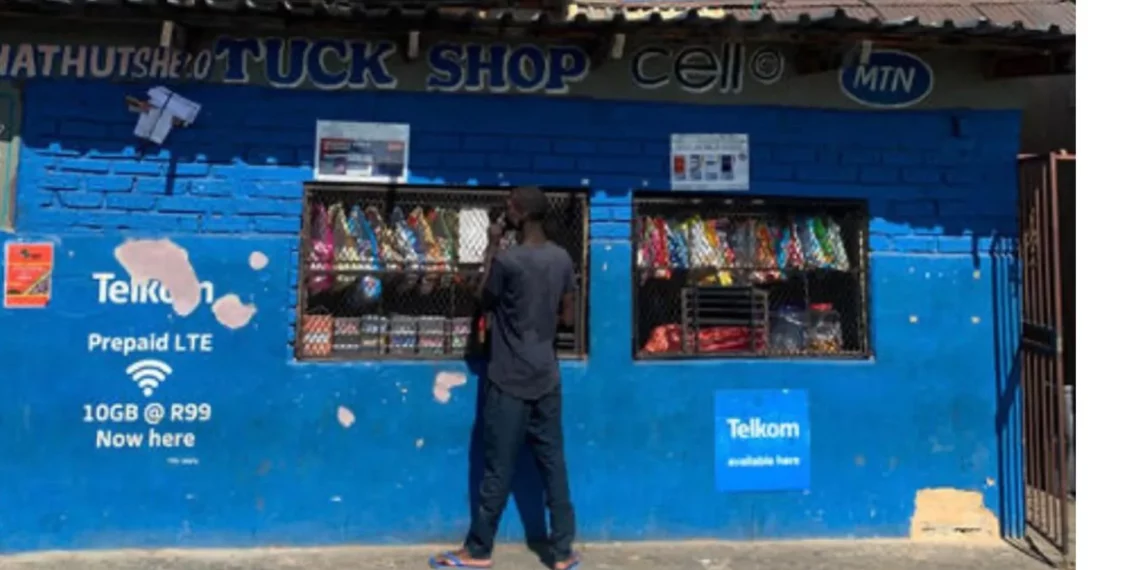
Spaza shops remain the only convenience stores that are accessible to many people across the country, mostly in townships and rural and far-flung areas. However, they have been in the news recently for all the wrong reasons after it came to light that many spaza shops stock counterfeit goods and fake food.
There’s something rotten in South Africa’s spaza shops, and it’s not just the vegetables. According to Health For Mzansi, fake food products are making their way onto the shelves of these township stores, and consumers are left to deal with the health effects thereof.
From cloned cool drinks to fake expiration dates and used condoms allegedly sold by some shops, it seems that nothing is off limits for the counterfeiters.
The rise of incidents of school children in some parts of the country being hospitalised because of what is being alleged as poisoned or fake food bought at spaza shops, which are predominantly owned by foreign nationals, has sparked a debate on the quality of food that is being sold in such shops.
The authorities are now clamping down on these establishments and spaza shops in different communities continue to be raided, and food labelled as expired is thrown out.
Concern at an all-time high

South Africans continue to express their concerns on social media about the safety of food from spaza shops.
Phumeza Mdlalose from Kempton Park, whose child had a rash all over his body after eating cakes from a spaza shop, says she usually checks the expiration date, but it too can be fake at times, so she has stopped buying from spaza shops completely.
“I usually check the expiration date before I buy. If I see that the food is not genuine, I don’t eat it; I would rather throw it away because if you return it, they don’t take it back,” she said.
Dept of health weighs in
The Gauteng department of health has committed itself to fighting unhealthy goods in communities following the continuous deaths of children after consuming items from these shops.
Penny Campbell, the food control directorate director at the national department of health, said selling fake food poses a major concern because it has a major effect on the health of the consumer.
She also alerts us to a few ways to spot fake food.
“When they are counterfeit foods, you can often tell from the label if it really represents what exactly is in the product. There might often be a misprint on the label, or the quality is not what you’re used to. Also, check what the barcode looks like, including the lettering on the product,” she says.
“Consumers should always check if the premises have a certificate of acceptability. Anybody who wants to handle food must have a certificate of acceptability issued by an environmental health practitioner from the municipality. If they don’t have the certificate of acceptability, it means they are operating illegally, whether they are producing safe food, fake food, or counterfeit goods.”
Read the full story here. It was first published on Health For Mzansi and written by Candice Khumalo.
ALSO READ: Spaza shops: Fake food items leave a sour taste
Sign up for Mzansi Today: Your daily take on the news and happenings from the agriculture value chain.