Friday, December 12, 2025
SUBSCRIBE
21 GLOBAL MEDIA AWARDS
Food For Mzansi
  • News
  • Changemakers
  • Lifestyle
  • Farmer’s Inside Track
  • Food for Thought
No Result
View All Result
  • News
  • Changemakers
  • Lifestyle
  • Farmer’s Inside Track
  • Food for Thought
No Result
View All Result
Food For Mzansi
No Result
View All Result
in News

La Niña: Wetter summer calls for smarter water, soil management

With a wetter summer ahead, the SA Weather Service predicts above-normal rainfall for the northeast. Agronomist Mandisa Mazibuko urges farmers to adapt fast – manage irrigation, use split nitrogen doses, and monitor for fungal diseases

by Lisakanya Venna
11th December 2025
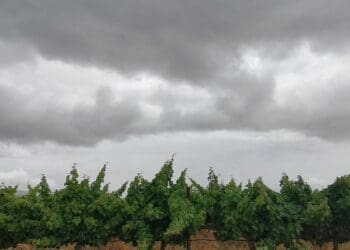
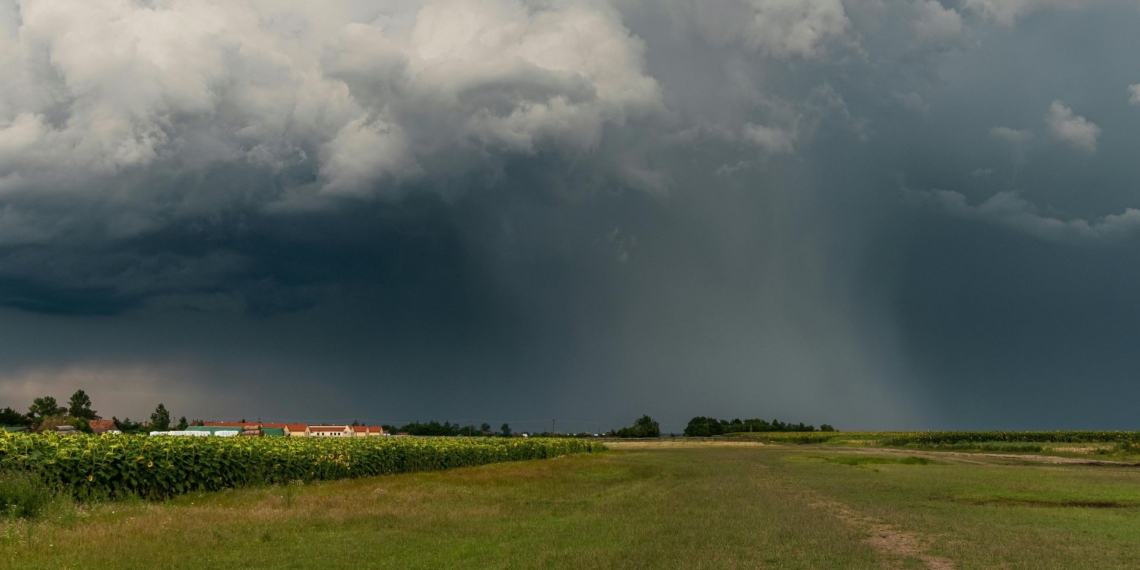
El Niño: Dark rain clouds loom over South Africa's summer skies, as farmers brace for uncertain weather patterns and potential dry spells in the coming months. Photo: Supplied/Food For Mzansi

Summer rains bring both relief and challenges to South African farms. Photo: Pexels

Share on FacebookShare on TwitterShare on WhatsApp

As South Africa moves deeper into the 2025/26 summer, the South African Weather Service (SAWS) is forecasting a transition to at least a weak La Niña event, signalling a high likelihood of above-normal rainfall in the northeastern parts of the country.

With this wetter summer confirmed, agronomists like Mandisa Mazibuko are advising farmers to adapt fast by implementing water management practices to avoid waterlogging and prevent nutrient wash-away.

According to the Seasonal Climate Watch issued by SAWS, “Most of the areas that receive significant rainfall in the coming summer are situated in the north-east of the country. Most of these areas are expected to receive an above-normal rainfall during the forecast period up until late summer.”

Farmers must therefore adjust their practices to protect their crops from excess moisture.

Managing wet weather challenges

Mazibuko laid out a necessary game plan for immediate action on water management, advising maize and soybean growers to plant on raised ridges and use soil moisture sensors to guide irrigation and prevent waterlogging.

She also stressed the importance of knowing the soil before applying fertiliser, warning that blanket applications waste money and harm the land.

“As a farmer, it is important to know your soil requirements before the selection and application of fertiliser. To save on fertiliser costs and avoid over-fertilisation, which can be detrimental to both the environment and the crop itself, farmers should avoid applying fertiliser using the blanket application method,” Mazibuko advised.


Related stories
  • Indigenous crops: The climate-smart superfoods we need
  • Climate change resilience: Practical strategies for farmers
  • Trees: More than shade – a climate change ally
  • Smart insurance could shield Africa’s farmers from climate shocks

During heavy rains, split nitrogen doses help prevent nutrients from washing away by applying smaller amounts throughout the growing season. Mixing animal manure with inorganic fertiliser improves soil structure and water retention, enhancing crop resilience in wet conditions.

Mazibuko further emphasised the importance of regular field scouting for pests and diseases, recommending weekly checks or the use of modern technologies to monitor outbreaks.

“Excessive rainfall creates favourable conditions for fungal diseases, which thrive in warm, moist environments, so it is crucial to plan ahead for possible outbreaks,” she said.

📢 Stand Up, Be Seen, Be Counted

We want to provide you with the most valuable, relevant information possible. Please take a few minutes to complete this short, confidential survey about your farming practices and challenges. Your feedback helps us tailor our coverage to better support the future of agriculture across Mzansi.

What is your main commodity farmed?
CAPTCHA image

This helps us prevent spam, thank you.

Weather uncertainty challenges farmers

This advice resonates strongly with Mpumalanga maize and wheat farmer, Motshidisi Modise, amid all the weather uncertainty.

“We’ve been noticing changes in the weather patterns, and it’s become increasingly challenging to predict the best planting times. The unbalanced rain patterns we’ve experienced lately have been particularly concerning, with some areas receiving too much rain, while others are experiencing drought-like conditions,” Modise said.

Yet some farmers are taking a different approach this summer. Free State farmer Kyle-Jones Middleton went the other way, planting early to cash in on the rains already arriving.

Middleton noted, “Later planting won’t get the benefit of the good rain we are receiving now. Being early to market has a major effect on the Safex prices. Early planting is expected to yield better, sometimes 1-1.5 tonnes better than late planting.”

To manage risks, Middleton splits his fields evenly and keeps a close eye on weather forecasts, South African Futures Exchange (Safex) market trends, and news updates to spot pricing opportunities and avoid potential pitfalls.

READ NEXT: Climate extremes cripple Cape Town’s kasi farmers

Sign-up for the latest agricultural news delivered straight to your inbox every day with Mzansi Today!

Lisakanya Venna

Lisakanya Venna is a junior journalist and content coordinator with varied multimedia experience. As a CPUT journalism alumni, she finds fulfilment in sharing impactful stories and serving as a reliable source of information.

Tags: Climate-smart agricultureInform meSouth African Weather Serviceweather patterns

Related Posts

Hail and flooding are exposing South African farms to severe losses. Learn why crop insurance is vital for protecting livelihoods, ensuring food security, and managing climate volatility. Photo: Supplied/Food For Mzansi

Hail and flooding demand critical crop insurance safety net

12th December 2025
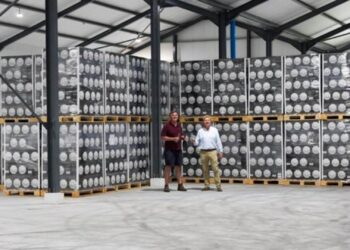
Vergelegen winemaker Luke O’Cuinneagain (left) and managing director Wayne Coetzer (right) toast the opening of the 4 226 m² warehouse. Photo: Supplied/Food For Mzansi

New Vergelegen facility boosts quality, efficiency & sustainability

12th December 2025

North West launches game-changing goat farming programme

Record harvests and export growth boost agri confidence

Brazil and South Africa join forces for safer meat trade

Farmers and financiers unite to grow EC agribusiness

How beer powers SA’s economy from farm to pint

This week’s agri events: 08 – 12 December

A resilient leader in a male-dominated industry, Lerato Aliu is reshaping her family’s poultry enterprise through innovation, care-driven management, and a commitment to building a lasting legacy. Photo: Gareth Davies/Food For Mzansi
Farmer's Inside Track

Lerato’s legacy: Black sheep becomes broiler queen

by Patricia Tembo
10th December 2025

After personal tragedy and industry resistance, commercial poultry farmer Lerato Aliu turned loss into leadership at Roadgrass Investments. Her blend...

Read moreDetails
At Agbiz Media Day, industry leaders, including Agbiz CEO Theo Boshoff, reflected on a turbulent yet promising year for South African agriculture. Photo: Supplied/Food For Mzansi

Record harvests and export growth boost agri confidence

10th December 2025
Brazil’s leading animal protein producers are meeting with South African importers and officials to strengthen trade ties and food security. Photo: Wikimedia Commons

Brazil and South Africa join forces for safer meat trade

10th December 2025
Seed technology is revolutionising SA agriculture. Yields are up tenfold in a century, thanks to innovations like mechanisation, hybrids, and precision agriculture. Photo: Pexels

Seed technology: How innovation drives higher yields & success

9th December 2025
Wieta, Fairtrade Africa, and Stronger Together are reshaping South Africa’s wine industry. Chirstone Hornsby, Evan Cupido, and Emerentia Patientia share their insights. Photo: Gareth Davies/Food For Mzansi

Ethical partnerships drive change in South Africa’s wine industry

9th December 2025

How beer powers SA’s economy from farm to pint

This week’s agri events: 08 – 12 December

Why hemp could be the next big thing for local producers

KwaNdaba farmer transforms food waste into farm wealth

Ethical partnerships drive change in South Africa’s wine industry

Join Food For Mzansi's WhatsApp channel for the latest updates!

JOIN NOW!
Next Post
RPO

Red meat in SA: Culture, heritage, and celebration

THE NEW FACE OF SOUTH AFRICAN AGRICULTURE

With 21 global awards in the first six years of its existence, Food For Mzansi is much more than an agriculture publication. It is a movement, unashamedly saluting the unsung heroes of South African agriculture. We believe in the power of agriculture to promote nation building and social cohesion by telling stories that are often overlooked by broader society.

Nedbank champions a new generation of SA farmers

Hail and flooding demand critical crop insurance safety net

New Vergelegen facility boosts quality, efficiency & sustainability

Why hemp could be the next big thing for local producers

Red meat in SA: Culture, heritage, and celebration

La Niña: Wetter summer calls for smarter water, soil management

  • Awards & Global Impact
  • Our Story
  • Contact Us
  • Cookie Policy
  • Privacy Policy
  • Copyright

Contact us
Office: +27 21 879 1824
News: info@foodformzansi.co.za
Advertising: sales@foodformzansi.co.za

Contact us
Office: +27 21 879 1824
News: info@foodformzansi.co.za
Advertising: sales@foodformzansi.co.za

  • Awards & Global Impact
  • Our Story
  • Contact Us
  • Cookie Policy
  • Privacy Policy
  • Copyright
No Result
View All Result
  • News
  • Changemakers
  • Lifestyle
  • Farmer’s Inside Track
  • Food for Thought

Copyright © 2024 Food for Mzansi

This website uses cookies. By continuing to use this website you are giving consent to cookies being used. Visit our Privacy and Cookie Policy.