Climate resilience is one of the most pressing global challenges today, with significant implications for agriculture. Farmers worldwide are grappling with changing weather patterns, unpredictable seasons and increased risks.
In South Africa, the situation is especially critical, with the country facing a host of climate-related challenges. To navigate these uncertainties, farmers must rely on data, adaptive practices, and innovative technologies to ensure the climate resilience of their farms.
According to data scientist at Terraclim Mila Toth, the key to addressing climate change lies in both adaptation and mitigation strategies, informed by accurate data and localised insights.
Understanding the global and local climate shift
The warming of the planet has been undeniable. Toth explains, “Global temperatures have been rising since around 1880. It’s important to understand that it’s not a cyclical process. It’s a progressive warming.”

When zooming into Africa, the warming pattern accelerates. “Africa is, like any other region, really vulnerable to climate change,” says Toth. She notes that the warming in Africa has been occurring at a faster rate compared to the global average.
“While we (South Africa) are warming, there are sometimes these cooler years which pop up, this highlights that our diverse climate zones around the country are not responding uniformly to climate change which adds to the complexity.”
Within South Africa, these changes manifest in regional shifts in temperature and rainfall. The country’s diverse climate zones add complexity to the impact of climate change. For example, Toth points to projections for the Western Cape for the period between 2048 and 2065, showing considerable variability in temperature and rainfall patterns. She notes that the Western Cape has a combination of warm and cold ocean currents which influence the weather.
Related stories
- Steenhuisen: ‘Ubuntu key to global food and climate crisis’
- Potato farming: Tips from a pro to beat climate challenges
- A practical guide to temperature management in poultry housing
The importance of localised data
To responding to these changes, the key lies in data. Toth stresses, “Agro-data is the foundation for informed decision-making. It enables us to develop a climate adaptation strategy that’s precise and tailored to specific regions.”
However, she highlights a crucial challenge: the lack of sufficient weather stations across South Africa. “This gap in data makes it difficult to capture localised shifts in climate accurately.”
To address this, Toth explains that emerging technologies like remote sensing and AI can help data scientists fill these data gaps. These tools provide insights into soil moisture, vegetation indices that provide insight into vegetation health which allows data scientists understand crop responses to changing conditions. This allows farmers to make more precise decisions
What farmers can do
Toth shares practical strategies that farmers can implement to navigate the challenges posed by climate change:
1. Diversifying crop and livestock production
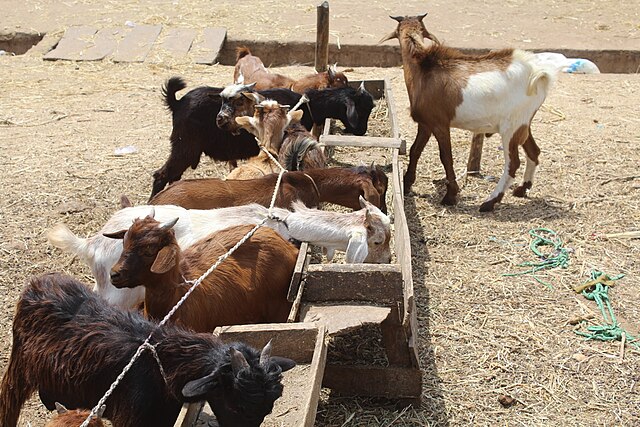
A key strategy for dealing with climate change is diversification. Relying on a single crop or livestock type can leave farmers vulnerable to extreme weather events like droughts, floods, or heat waves.
“Farmers need to think beyond monocultures. When weather extremes hit, having a diverse range of crops or livestock can be a lifesaver. It spreads the risk, and some crops or breeds will be more resilient to particular climate stressors than others,” Toth says.
2. Water management and conservation
With climate change causing more frequent and intense droughts in many regions, efficient water management is crucial for sustainable farming. Ensuring a reliable water supply and using water efficiently will help farms endure periods of scarcity and manage unexpected fluctuations in rainfall.
Toth stresses that “water management is one of the most pressing issues in adapting to climate change. Farmers should invest in systems that reduce water waste and ensure every drop counts. Techniques like rainwater harvesting, drip irrigation, and soil moisture monitoring can make a significant difference. From a mitigation perspective, rainwater harvesting reduces pressures on traditional water supply systems, this then means that strain on municipalities is reduced which reduces energy required for pumping, treatment and distribution of water. ”
3. Soil health management
Healthy soil is vital for growing crops and supporting livestock. Climate change can affect soil quality through changes in precipitation and temperature, leading to erosion, compaction, or depletion of nutrients. Maintaining soil health will help buffer against these changes.
“Soil is the foundation of agriculture, and without it, all our efforts are in vain. Climate change puts pressure on soils, but farmers can protect and restore soil health by using practices that improve soil structure, increase organic matter, and reduce erosion.”
4. Adopting climate-resilient technologies
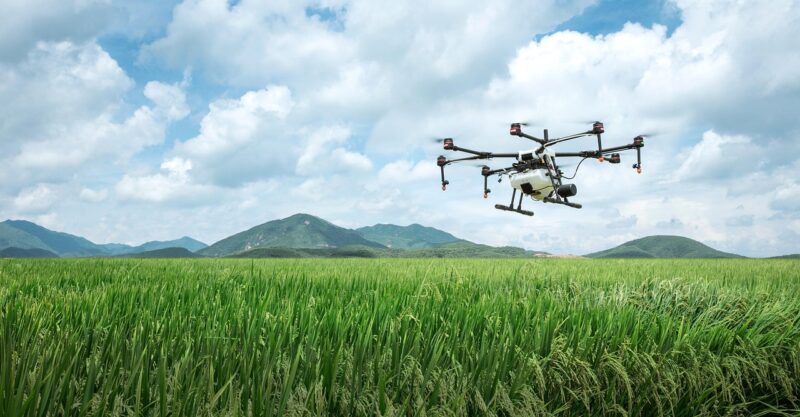
Technological advancements can help farmers adapt to changing conditions and increase productivity even under stress. According to Toth, precision agriculture tools such as climate monitoring systems, GPS-enabled equipment, and drones can provide real-time data to optimise farming practices.
“Technology can be a powerful ally in the fight against climate change. Tools like drones and sensors allow farmers to monitor and adjust their practices in real-time, making their operations more efficient and resilient,” explains Toth.
5. Farm resilience through financial planning
The economic impact of climate change can strain farm finances, especially during periods of low yields or crop loss. Planning for financial resilience helps farmers weather the financial hardships that can come with climate extremes. “Farmers need to look at their finances in a long-term, strategic way. Climate change brings uncertainty, and having a financial cushion, insurance, or access to credit is critical for surviving challenging years.”
6. Raising awareness and community engagement
Climate change affects entire communities, not just individual farmers. Sharing knowledge and collaborating with local stakeholders, including other farmers, governments, and researchers, can help develop more effective adaptation strategies.
“The power of community and shared knowledge cannot be underestimated. Farmers who exchange experiences and solutions with others in their area are better equipped to tackle climate change. Government policies and support also play a crucial role in these efforts.”
7. Embracing sustainable agricultural practices
Sustainability is essential for ensuring that farming can continue for future generations. Climate-smart agriculture practices, such as agroecology, can help reduce greenhouse gas emissions, improve resource efficiency, and boost resilience to climate impacts.
“Sustainable agriculture is not just about reducing emissions but also about improving the long-term health of the land, water, and communities. It’s a holistic approach that benefits both the environment and the farmer,” says Toth.
Mitigating the impact of climate change
“Mitigation is reducing the practices driving climate change. It’s adopting renewable energy and then growing food,” Toth notes. For farmers, this can mean adopting sustainable practices such as agroforestry, involving planting trees alongside crops to provide shade, improve soil quality, and reduce wind erosion. Rainwater harvesting is another valuable tool, helping to store water during rainy periods for use during droughts.
Toth also stresses the importance of planting the right crops. Farmers need to understand which crops are most suitable for their specific environmental conditions and choose varieties that can withstand the challenges posed by climate change.
“Choosing the right heat, drought, and humid season to ensure long-term productivity,” she explains.
READ NEXT: Ramokgopa: Young farmers, rise and take your space in agriculture
Sign up for Mzansi Today: Your daily take on the news and happenings from the agriculture value chain.