From sizzling braais to hearty stews, red meat is at the heart of South African life. It carries centuries of history, blending indigenous, colonial, and immigrant influences into every meal.
In South Africa, red meat is more than food. It is culture, heritage, and celebration. From bustling townships to open veld, from family braais to ceremonial feasts, beef, lamb, and goat have shaped the way South Africans gather, celebrate, and pass down traditions. Without it, many would say, a meal is simply incomplete.
Karen Hart, renowned food writer, tells Food For Mzansi, “When we talk about South African culture and mention red meat, the first thought that comes to mind is the braai. It’s an inseparable part of who we are.
“For more formal occasions, a roasted cut – whether lamb or beef – is always an impressive centrepiece, and guests tend to judge the success of your meal by it.”
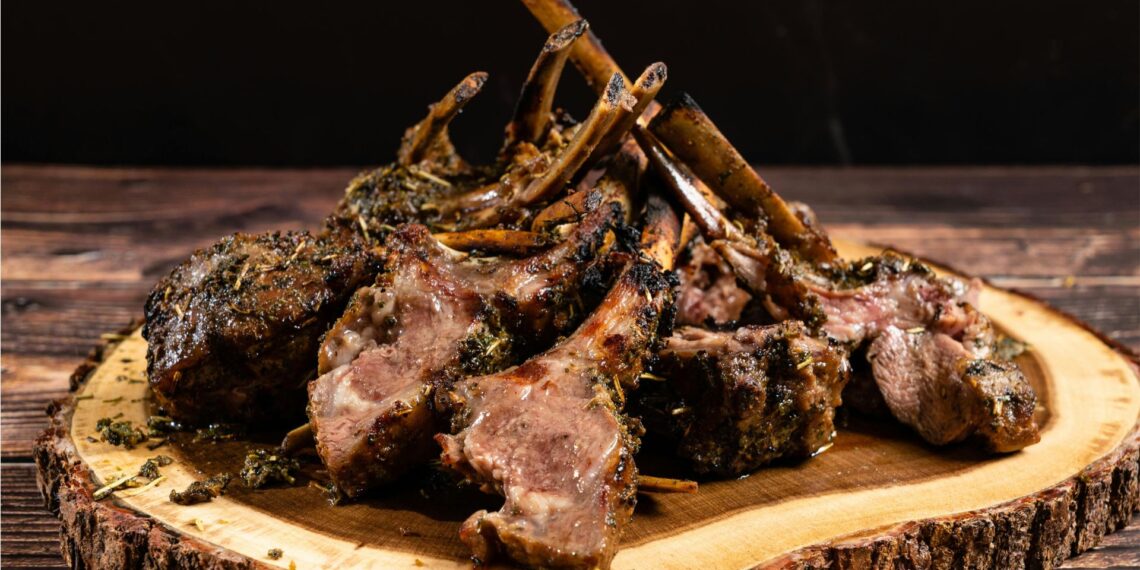
Red meat carries with it centuries of history, blending indigenous practices, colonial influence, and immigrant cultures. Whether it is a succulent lamb chop sizzling on the coals, a hearty beef stew simmering over a low flame, or a spicy goat curry at a festive table, red meat is central to South African life.
Heritage on the plate
The story of South African meat cuisine goes back long before the modern braai.
“We have to go back to the days of colonialism when different populations and ethnic groups, each with different incomes, cultures, and perceptions of what meat is and how it should be prepared, were introduced and developed in South Africa,” say Dr Sara Erasmus and Prof Louw Hoffman from the department of animal sciences at Stellenbosch University.
Erasmus and Hoffman traced the roots of South African meat cuisine to the Dutch settlers, Indo-Asian slaves, indigenous Khoisan (including the pastoral Khoikhoi and foraging San), and Black African groups.
Their research, published in Animal Frontiers, highlights that colonisation and immigration in the 17th century had the greatest influence on South African meat traditions.
“The early Dutch settlers indulged in rabbit, beef, mutton/lamb, pork, hartebeest, eland, wild pig, rhinoceros, hippopotamus, steenbok, ystervark (Cape porcupine), dassie (rock hyrax), wild geese, mountain duck, wild peacock, korhaan (bustard), and different fish species,” they note.
Related stories
- Red meat’s new story: Healing land through grazing
- From farm to fork: How red meat fuels jobs and plates across SA
- Why red meat producers can’t afford to ignore sustainability
Even before settlers arrived, indigenous Khoisan hunted wild game for survival. “The settlers learned from indigenous people how to source meat through hunting and fishing,” Erasmus and Hoffman explain.
“Since food was scarce, nothing of the animals was wasted, from the meat to the intestines. Consequently, traditional dishes made from offal exist. Mala mogodu, a popular Black African stewed tripe dish, is made from animal intestines (mala) and stomach lining (mogodu), while Afrikaners make a dish called afval (offal), spiced with curry (kerrie-afval).”

These practices gave rise to iconic South African meat products such as biltong, droëwors, and, of course, the braai. Techniques such as fire-roasting, air-drying, and curing, originally practised by the Khoisan, were adopted and adapted by settlers and slaves.
“The Cape Malay people brought an Indonesian flair with their spicy curries, contributing to dishes such as bredie (stew), pickled fish, and bobotie (spiced minced meat bake),” Erasmus and Hoffman explain.
“Bredies were developed through the need to tenderise tough meat, while curry and spices were useful to disguise slightly tainted meat.”
Karen Hart adds, “Traditionally, braaiing over a wood fire is one of the most popular ways to prepare beef and lamb. Stews (‘bredies’) are a big favourite. It is more affordable and able to feed more mouths. For goat meat, curries and stews are the best ways to honour these traditions. The secret is to season subtly so the true meat flavour shines through.”
The braai: SA’s cultural stage
Few experiences capture the heart of South African life like a braai. Here, red meat truly takes centre stage. From thick T-bone steaks to tender lamb chops or marinated sosaties, the aroma of cooking meat over glowing coals draws family and friends together.
“A braai is about more than the food. It’s a gathering point, a place to laugh, share, and celebrate together,” says Enrike Maree, an agricultural communicator from AgreetothisAgri. “Red meat connects people to the land, to the farmers, and to each other. When you share meat, you’re sharing more than food. You’re sharing a tradition.”
The braai also celebrates creativity. Meat can be seasoned, marinated, or cooked slowly over coals, each approach telling a story of heritage, flavour, and place. Goat meat, often overlooked, is celebrated in stews and curries, while lamb and beef remain staples for communal gatherings.
Festivals, feasts, and family
Red meat continues to define celebrations. Weddings, religious ceremonies, and family reunions often feature beef, lamb, or goat. It symbolises generosity, abundance, and hospitality. Festivals such as the annual lamb competitions in the Western Cape and braai championships showcase the rich diversity of South African meat cuisine while supporting local farmers.
Nutritionally, red meat is an important source of protein, iron, zinc, and B vitamins, supporting health and growth. Economically, South Africa’s beef, lamb, and goat industries sustain thousands of jobs, from farmers and butchers to traders and chefs, highlighting meat’s role in building livelihoods and sustaining communities.
A living tradition
Today, South African meat cuisine continues to evolve. Trends, diets, availability, prices, and population diversity shape consumption patterns. Yet despite change, the country’s deep love for red meat remains unwavering.
“Although meat remains deeply rooted in South African heritage, its demand continues to be influenced by availability, price, traditional usage, and cultural perception,” Erasmus and Hoffman observe.
Hart concludes, “I grew up in the Karoo and I always say: ‘You can take the girl out of the Karoo, but not the Karoo out of the girl.’ I adore a good stew, a perfectly braaied lamb chop, or a curry that celebrates our Malay heritage. The true joy is in honouring the traditions while letting the real flavour of the meat shine.”
Every sizzling steak, tender lamb chop, and fragrant goat curry is more than a meal. It’s a celebration of identity, history, and togetherness. Red meat is not just an ingredient; it is a symbol of pride, a keeper of heritage, and a taste of home.
As braais continue to crackle across backyards and stews simmer over open flames, red meat will remain at the heart of South Africa’s culinary story.
This story is part of a special series in partnership with the Red Meat Producers’ Organisation (RPO) – a tribute to the farmers feeding our nation, one meal at a time.

READ NEXT: Healthy red meat choices: Smarter eating to help your heart