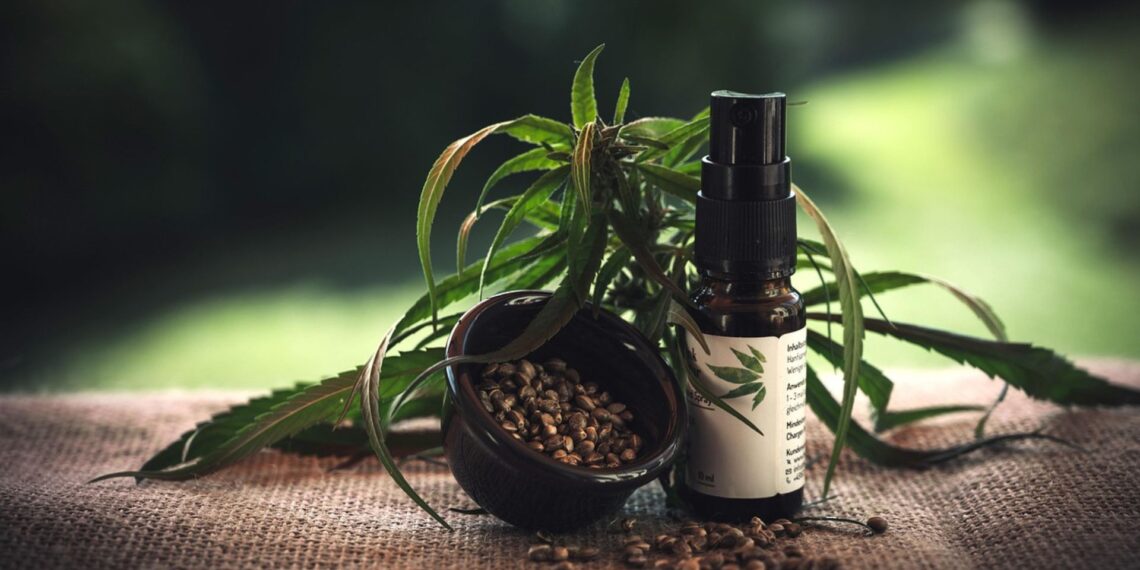
Hemp is a big trend, from the plant right down to the seeds. Some people mix them into bakes, others just add a spoonful to their smoothies or sprinkle them over a salad. You can crush them into a snack bar or even turn them into pesto, a spread, or hummus.
Experts say hemp seeds have health benefits, and they’re easy to use.
Hemp can be grown for its flowers or its seeds, and the seeds are where the money is, says Professor David Katerere, research platform chair of pharmaceutical and biotechnology advancement at Tshwane University of Technology (TUT).
He explains that hemp seeds, also called hemp grains, are full of amino acids, protein, and omega oils, which are important for the body.
“Hemp grain is also a source of iron, which is important for women during menstruation. It also contains zinc, which is important for men and helps support everyone’s immune system.”
Prof. David Katerere
The demand for hemp products
Hemp grain can be pressed into oil. Katerere explains that when it is not heated, it is healthier, which is why it is recommended for salads rather than cooked dishes.
“Farmers in South Africa are in a good position to grow hemp grain because it does not need much water and is drought-resistant,” he says.
“Most of the country is frost-free, so it grows easily. You can harvest within three months, and it is possible to get three or four harvests a year.”
Katerere also notes that hemp is in demand because not many people grow it. “Global demand is growing, and exports could reach 10 billion US dollars by 2030.”
He adds that South Africa faces malnutrition and undernutrition, making nutrient-rich crops, such as hemp, sorghum, and other ancient grains, very important.
Related stories
- Hemp dreams: SA farmers face hard truths
- Indigenous crops: The climate-smart superfoods we need
- Cannabis bill set in motion after portfolio committee approval
- Taste tradition: Chefs lead revival of climate-smart indigenous foods
Opportunities for Mzansi farmers
Professor Learnmore Kambizi of the Cape Peninsula University of Technology (CPUT), who specialises in ethnobotany and phytomedicine, says the global hemp seed market has been growing strongly.
“This creates opportunities for local producers who can meet quality and food-grade standards,” he says.
He adds that most commercial and trial production so far has been concentrated in the Western Cape and Eastern Cape, with experimental projects in Gauteng and Limpopo.
“These areas show medium-term potential because of climate suitability, existing trials, and emerging agribusiness hubs.”
Prof. Learnmore Kambizi
Kambizi notes that premium food and organic markets in Europe and parts of Asia are looking for hulled hemp seed and high-quality oil, provided growers can meet food-safety, traceability, and phytosanitary standards.
Farmers can target a variety of niches with hemp seeds, from seed processing to oil extraction, hulled seeds for baking, and ingredients for cosmetics and nutraceuticals. He points out that industrial uses, which rely more on the stalks and fibre than the seeds, can help create integrated farm economics when producers diversify.
“Lack of local processing capacity reduces farmgate prices,” he says.

For processed products, Kambizi adds that protein bars, pet food, and cosmetic supplies are some of the more lucrative business ideas using hemp seeds. However, they require strict quality control and traceability.
Challenges in growing and processing hemp
Kambizi acknowledges that there are challenges, such as regulatory complexity, high upfront costs, market access, and competition for high-quality seed.
To navigate these challenges, he recommends some strategies for success:
- Start small and partner early: Join or form cooperatives to share initial investments in hulling or pressing equipment and reach the scale buyers require.
- Target domestic niche markets first: Sell to local health-food stores, artisanal oil producers, or cosmetics startups that accept smaller lots and pay a premium for traceable, ethically sourced seed.
- Focus on quality and traceability: Invest in proper post-harvest handling, such as cleaning and drying seeds to the correct moisture level, and keep records to meet buyer specifications.
- Use contract farming: Seek agreements with processors who can supply inputs and guarantee offtake, reducing market risk.
- Upskill in business and compliance: Practical training on food safety, good manufacturing practices, recordkeeping, and export paperwork can open access to higher-value markets.
READ NEXT: South Africa’s hemp food ban: A step backwards – at what cost?