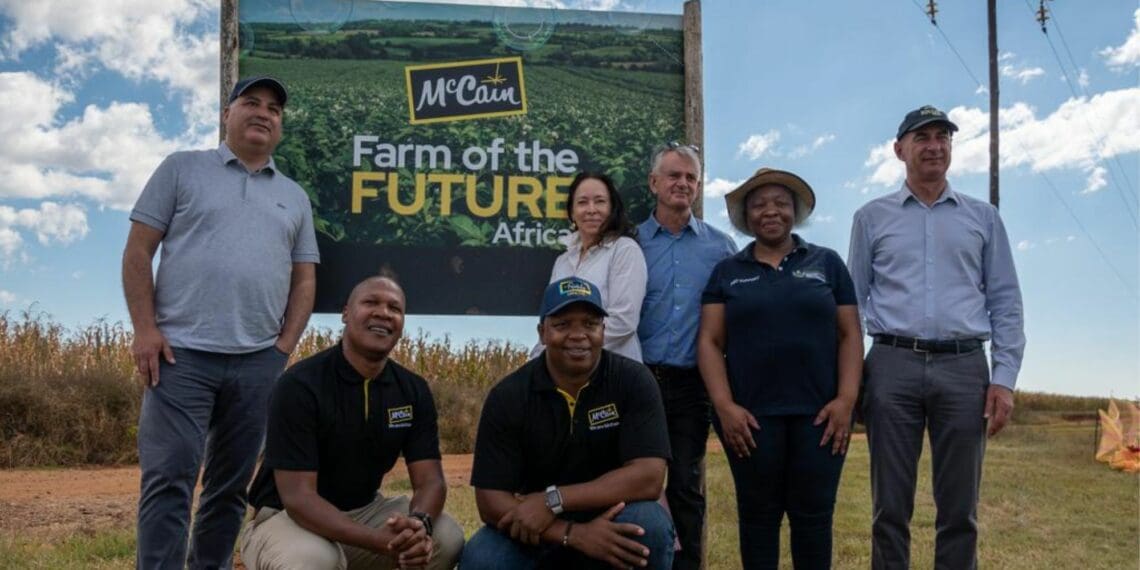
McCain Foods Limited, one of South Africa’s leading frozen food manufacturers, has opened its Farm of the Future Africa in Lichtenburg, North West. This is the second of three locations planned by 2025, aimed at gaining a better understanding of regenerative agricultural practices and their impact, costs, and benefits.
The regional farm is set to become a research hub that will focus on regenerative agriculture techniques for South Africa’s potato production industry, which contributes approximately R6.6 billion to the country’s GDP. The initiative, called McCain’s Farms of the Future, was first launched in Canada in 2020.
Regenerative agriculture is an ecosystem-based approach to farming that strives to enhance farm resilience, yield, and quality by improving soil health and biodiversity while reducing the impact of synthetic inputs.
McCain committed to SA’s growth
Charlie Angelakos, vice president of global external affairs and sustainability at McCain Foods, says: “The Farm of the Future Africa project reaffirms McCain’s commitment to the growth of South Africa’s agricultural and agri-processing industries. This flagship initiative not only showcases South Africa’s sector expertise but also the implementation of industry-leading regenerative agricultural practices that boost productivity and profitability while accelerating sustainability.”

Integration of sustainability
Unathi Mhlatyana, managing director of McCain Foods South Africa, emphasised their commitment to producing planet-friendly food and ensuring that sustainability is integrated into every touchpoint of their business value chain. McCain’s investment of R100 million in the Farm of the Future Africa demonstrates this commitment.
The farm will test and feature innovative processes and technologies, specifically tailored for the Southern Hemisphere, in a collaborative hive that brings together academics, industry and technology partners, and farmers working together to reimagine the way we grow potatoes. This is better for farms and the planet, as it will improve the potato production process and its impact on the environment.
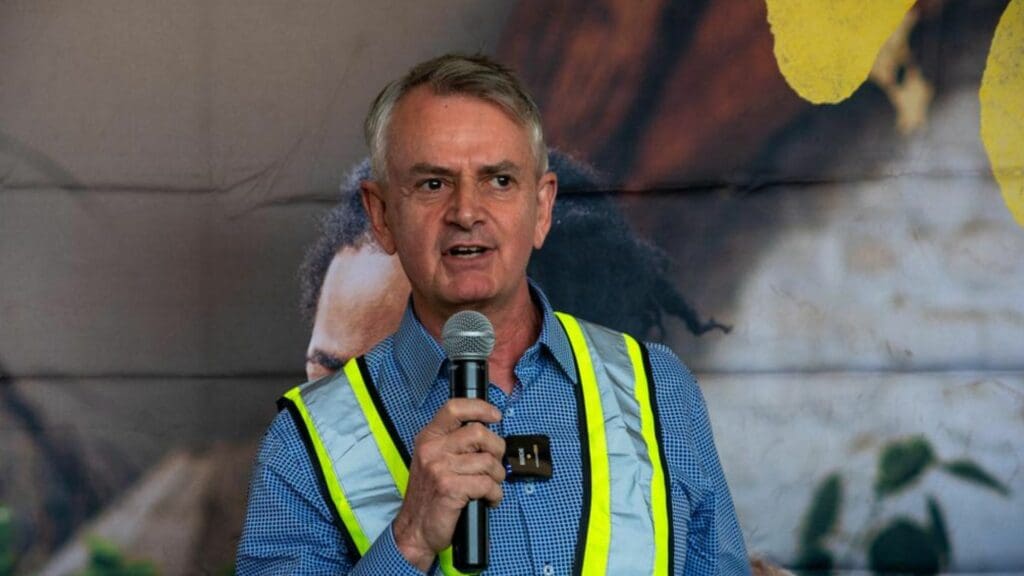
Wandile Sihlobo, the chief economist at Agbiz, acknowledges the challenges the agricultural sector is currently facing and the steps needed to enable the industry to thrive.
“Potatoes are an essential staple for South Africans, and an increase in the local production of sustainable spuds will have a tremendous impact on national food certainty, direct and indirect employment, and the livelihoods of Mzansi’s farmers. It will also assist us in effectively combatting the effects of climate change, ensuring the security of supply.”
Farm ticks all the boxes
The farm will also serve as an effective platform for recruiting and training talent, in line with agriculture, land reform and rural development minister Thoko Didiza’s recent call for sector players to create mechanisms that will help the new generation of farmers succeed. Additionally, stakeholders will be granted access to the labs and facilities onsite, further facilitating the promotion of local research and development.
In line with McCain’s resource-efficient operations sustainability pillar, solar energy is being used effectively to power the farm’s main office and various machine sheds. The company is also investigating opportunities to utilise solar technology to aid in the continuous deployment of field irrigation.
READ NEXT: Podcast: Level up with regenerative agriculture
Sign up for Mzansi Today: Your daily take on the news and happenings from the agriculture value chain.