Western Cape winery, Nederburg, has once again taken a leading role in championing local tastes and talents by supporting a community-based programme aimed at growing, distributing, and cooking with often-forgotten indigenous ingredients.
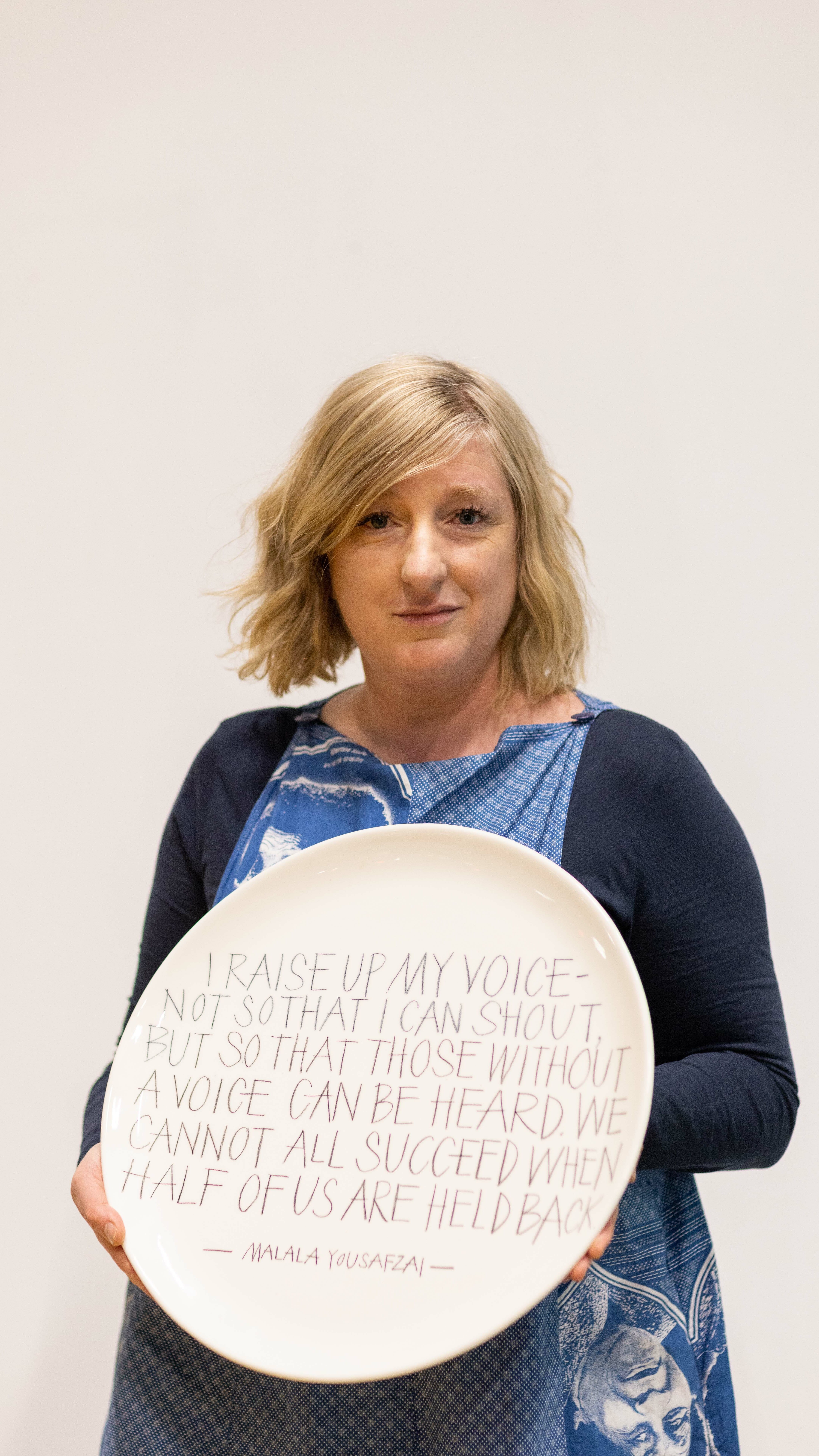
In collaboration with Harvesting Heritage, a “People, Planet, Plate” project led by renowned food anthropologist, cultural historian and chef Anna Trapido, Nederburg is working towards preserving heritage crops and indigenous knowledge systems.
Harvesting Heritage, in partnership with the veteran development organisation SocioTech, focuses on transferring skills in traditional eco-cultivation and modern marketing and trading, creating revenue streams and job opportunities while promoting eco- and economic resilience.
The organisation works with chefs, traditional councils, and municipalities to revive traditional tastes and cuisines, creating a market for them in the hospitality trade and for home consumption. With projects already underway in Gauteng, KwaZulu-Natal, Lesotho, and the Western Cape, Harvesting Heritage is making significant strides in preserving and promoting indigenous ingredients.
‘New African cuisine’ on the menu
Nederburg’s collaboration with Harvesting Heritage and SocioTech will see the implementation of an initiative in Limpopo. Small-scale farmers in the Greater Sekhukhune district will cultivate crops for distribution and sale, reaching as far as Gauteng. Chefs in Gauteng will then have the opportunity to recreate and reinterpret classic recipes, expanding South Africa’s flourishing “new African cuisine”.
Jackie Olivier, Nederburg’s marketing spokesperson, expressed her excitement about the collaboration, stating, “Indigenous crops are an expression of place, just as wine can be of its terroir when grown in an eco-respectful way that includes protecting the health of vineyard soils and the environment. That’s what makes this collaboration so exciting.”
To raise awareness of these indigenous foods and encourage experimentation with them, Nederburg and Harvesting Heritage co-presented a workshop in Pretoria earlier this year. Members of the South African Chefs’ Association had the opportunity to learn about and explore ingredients such as morogo, bambara beans, okra, marula fruit, lerotsi, xigugu, African cucumber, and goat meat.
Chefs are encouraged to develop new dishes incorporating these ingredients and pair them with Nederburg’s Heritage Heroes collection of wines, including an old-vine Chenin blanc, a Rhône-style, and a Bordeaux-style red blend.
ALSO READ: Amadumbe: Get to know SA’s potato alternative
A battle of the flavours
A highlight of this culinary collaboration is the Harvesting Heritage culinary competition, scheduled for Saturday, 27 May in Pretoria. Accredited chefs will form a judging panel, evaluating the dishes based on their creativity and taste. Diners will also have the opportunity to vote for their favourite dish.
The winning chef will receive a prize, while a people’s choice chef will also be recognised. A limited number of tickets are available for the event, allowing participants to savour the unique flavours of these indigenous ingredients alongside Nederburg’s wines.
In addition to the competition, indigenous food and wine pairing sessions will be offered, presented by Zinaschke Steyn, maker of Nederburg’s red wines, and sommelier Moses Magwaza, a two-time winner of the coveted Eat Out Wine Service Award. These sessions, available at various times throughout the day, will provide attendees with an opportunity to further explore the rich flavours and complexities of Nederburg wines in combination with indigenous ingredients.
Harvesting Heritage has engaged Limpopo farmers from the Strydkraal and Sekhukhune communities to supply the ingredients for the event. By involving local farmers and highlighting their contributions, the collaboration aims to celebrate and support the diverse culinary heritage of Mzansi.
READ NEXT: Grab indaba tickets before they’re gone!
Sign up for Mzansi Today: Your daily take on the news and happenings from the agriculture value chain.