Forty-nine years ago, the youth in Soweto stood up against apartheid, which led to many being killed and others imprisoned. Today, the youth in agriculture say they are fighting for a space in the sector to make a living for themselves and their communities.
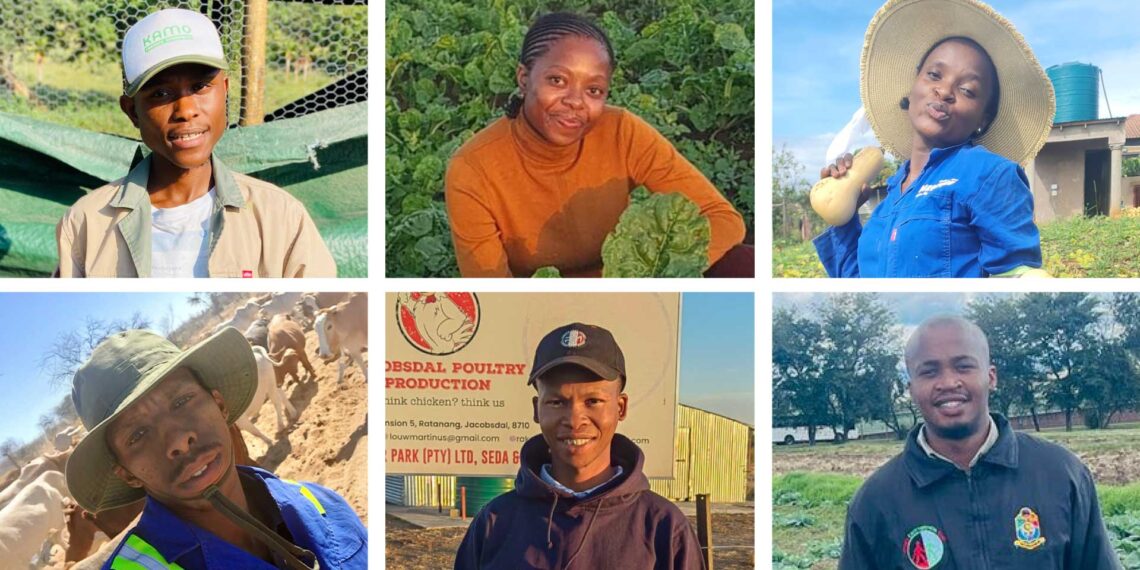
A crop farmer from Newcastle in KwaZulu-Natal, Thabo Skhosana, said farming in South Africa as a young person is a privilege. He sees it as an opportunity for the youth, who are mostly exposed to technology, to bring changes to the sector.
“Besides the passion and all good things, farming is unpredictable, unlike any other profession and industry. Most of our factors are external factors out of our control. One can follow a plan, but when nature happens, there is really nothing one can do. And those are aspects that, as a young person, you are not immune to; they hit very hard.
“It is also hard to change the general perspective of how farming is being done; young people are forever challenged. As young people, we are making inroads as more young people are getting into the leadership role, which helps to influence policies and decision making,” he said.
‘Young people need training and land’
Llewellyn Louw, a poultry farmer from Jacobsdal in the Free State, said young people should see themselves as contributors to the entire value chain of food security in the country.
“The challenges are the same whether one is old or not. What is pressing and needs to happen is that we need more young people in the system. We need the land to be made available because there are still young farmers who are farming in commonages and backyards; they just need land,” he said.
Related stories
- Tech & trade: Youth urged to redefine farming in Africa
- Kealeboga and Lesego plant dreams and grow a movement
- Graduate to grower: Mashau fertilises farm dream on one hectare
He said it is important that young people are trained on how to operate their farms, especially the finances, as those are key to making or breaking their operations.
Maungo Mokgoje, a livestock farmer from Kuruman in the Northern Cape, said what makes farming difficult for him and other farmers is starting from the beginning without any form of inheritance or support.
“Our current generation is facing a different type of struggle compared to those who have inherited land or fully fledged operations. As young people, we are facing a lot of challenges, and it is sad. [If] our government, through their different departments can work together and not in silos, we can go further,” he said.
‘Teach them young’
Kealeboga Rapulana, a crop farmer from the Free State, believes the farming journey must begin early.
“Ka Setswana, we have a saying lore lo ojwa lo sale metsi, which is translated as, a branch can only be bent when it is wet. Meaning, teach them young. It is easier to teach and mould a child when they’re young rather than when they’re old. So farming from a young age guarantees nothing but success,” she said.
She noted that growing her own food provides a significant financial cushion, particularly as food prices continue to soar. While consumers grapple with the rising cost of everyday items like tomatoes and eggs, she is somewhat shielded from these pressures by her ability to produce much of what she consumes.
Like many young farmers, she is faced with limited access to funding, machinery, land, water, and reliable markets.
She expressed appreciation for support initiatives such as the Youth in Agriculture and Rural Development (Yard) programme and strongly advocates for the early introduction of agricultural education in schools.
Further north in Limpopo, crop farmer Muelelwa Mashau views youth as an asset to the future of farming. “The advantages of being a young farmer are the willingness to learn every day and being innovative to try to improve productivity at the farm,” she said.
Kamogelo Thobejane, a poultry farmer also based in Limpopo, highlighted a critical benefit of youth farming and playing a role in creating jobs.
“In South Africa, we’re experiencing a high rate of unemployment. If you’re a farmer, you have solved the problem of being unemployed. At least you have started something that can put bread on the table,” Thobejane said.
A plea for formal market access, funding & facilities
Thobejane said a lack of access to formal markets and processing facilities discourages young people from staying in agriculture.
“You might find that you’re having a thousand chickens, but you don’t know where to take them. There’s no abattoir in our area. People are taking their produce to Johannesburg, but if we can have a Limpopo market, more people will join agriculture.”
He argued that government support must go beyond motivation, calling for concrete measures such as subsidies on animal feed and electricity to ease the financial burden on small-scale farmers.
Thobejane also voiced a widespread frustration among aspiring farmers, despite numerous funding applications, often from programmes that claim to prioritise youth, responses are rare, and support remains largely inaccessible.
READ NEXT: Biosecurity threats push meat industry to the brink
Sign up for Mzansi Today: Your daily take on the news and happenings from the agriculture value chain.