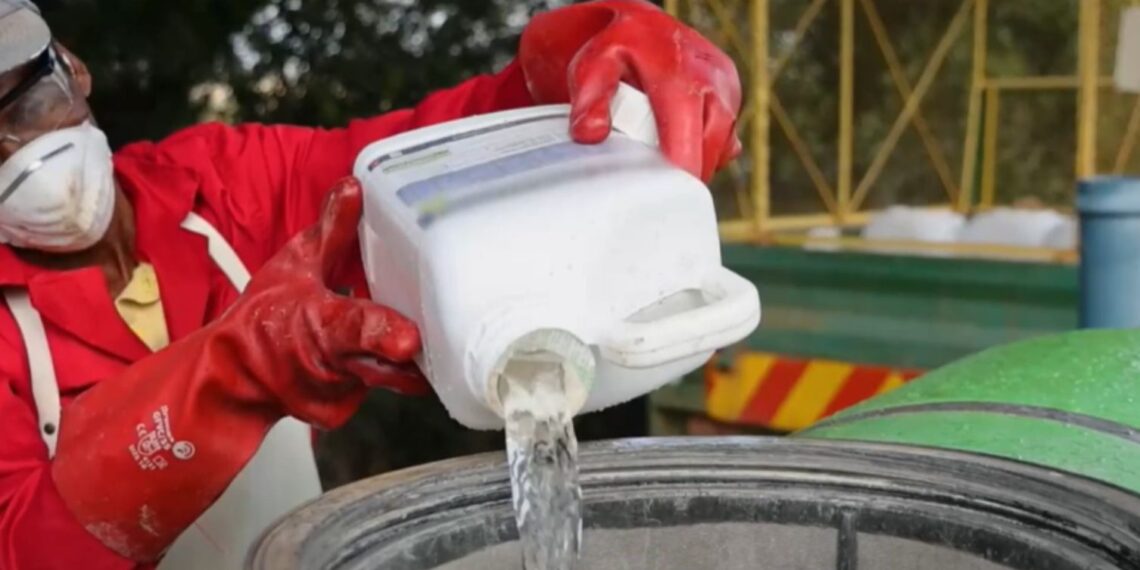
CropLife SA shares expert tips on how South African farmers can safely manage pesticide disposal. Protect your land, community, and legacy with sustainable practices.
As South African farmers, you understand better than anyone the heart and soul you pour into your land. Pesticides are your allies, helping protect your crops, boost yields, and ensure your farm remains economically strong. However, just as you care deeply for your crops, it is equally vital to care for the land that sustains you.
Managing pesticide waste properly is not just about following the rules. It is about taking care of the land you love, keeping the people who work the land and eat your crops safe, and making sure the beauty of your farm stays intact for future generations.
By recycling and safely disposing of pesticide containers and obsolete chemicals, you’re not only following the law but also embracing a commitment to sustainability. It is a promise to nurture the land as it nurtures you, ensuring that your legacy of farming can be passed down to those who will come after you.
Understanding the legislation
According to Dr Gerhard Verdoorn, operations and stewardship manager at CropLife South Africa, farmers and farmworkers face stringent regulations under the National Environmental Management: Waste Act (NEM: Waste Act) when dealing with pesticide containers and obsolete pesticides.
“Any material contaminated with pesticides or obsolete pesticides is considered hazardous,” Verdoorn explains.
“However, the South African National Standard (SANS) 10406 allows for triple-rinsed empty pesticide containers to be treated as non-hazardous waste, which means the stringent hazardous waste regulations do not apply to them.”
Nevertheless, obsolete pesticides remain classified as hazardous and must be disposed of by licensed hazardous waste management companies, he says.
Proper disposal practices
As a farmer who cares deeply for the land you work, it is crucial to follow proper disposal practices for pesticide waste.
Quade Sing Jam, a compliance specialist, stresses that burning or burying these materials is strictly forbidden. This is not just about rules, improper disposal can cause serious harm, like toxic fumes, soil contamination, and polluted water sources.
“Pesticide containers and obsolete pesticides must not be burned or buried,” he says.
“Even triple-rinsed containers cannot be buried or burned on farms. Burning these materials can release toxic fumes while burying them can lead to long-lasting environmental damage. Plastic containers can break down into microplastics, contaminating soil and water, and old pesticides can pollute groundwater if buried.”
Jam’s concerns highlight the need for responsible waste management to prevent severe environmental consequences.
“Burning old pesticides releases harmful gases into the atmosphere while burying them contaminates groundwater.
“These practices not only violate the law but also pose significant risks to the environment,” Jam warns.
Related stories
- Pest resistance: CropLife SA champions responsible stewardship
- Podcast: CropLife SA reflects on biotech success
Landfill sites and recycling
Hiresh Ramanand, a stewardship specialist, stresses that disposing of pesticide containers and obsolete pesticides at landfill sites is also inadvisable.
“Dumping empty pesticide containers at landfill sites is not only a waste of resources but also poses serious health risks if these containers are repurposed for drinking water,” he explains.
Since 2017, it’s been against the law to dump hazardous waste in landfills because it harms the environment.
Instead, Ramanand encourages recycling as a preferred method. “Empty pesticide containers should be recycled or used for energy recovery through incineration,” he suggests.
“Recycling helps reduce environmental pollution and supports economic growth by creating jobs through certified recycling businesses.”

Steps for farmers
Recycling empty containers:
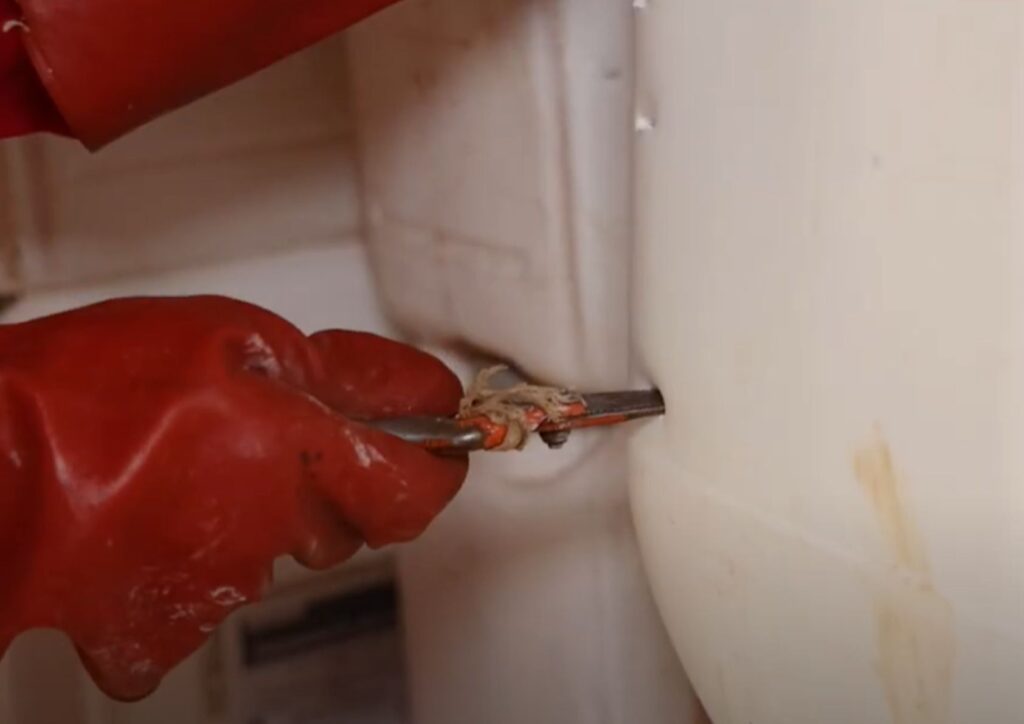
Verdoorn says farmers should ensure that containers are triple-rinsed and punctured before disposal. CropLife SA provides a network of certified recyclers across the country who are equipped to handle these containers.
“Farmers can find these recyclers listed on the CropLife SA website under Container Management. It is crucial that containers are delivered to these recyclers as per the regulations.”
He also highlights the importance of obtaining proof of disposal. “Farmers must insist on receiving a CropLife SA CoDi Intel declaration as proof of safe disposal. This certification is necessary for compliance and verification purposes.”

Managing old pesticides:
For obsolete pesticides, Ramanand advises a systematic approach. First, securely wrap old pesticides in thick plastic bags marked as hazardous waste.
“Next, create an inventory listing all the pesticides, which can be done using a template available on the CropLife SA website. Contact a licensed hazardous waste management company from the CropLife SA list to arrange for proper disposal,” Ramanand says.
Therefore, following the NEM: Waste Act is not just about obeying the law but crucial for keeping people and the environment safe. By sticking to these rules, farmers can ensure that their practices are both environmentally responsible and aligned with national standards.
READ NEXT: CropLife SA empowers responsible pesticide container disposal
Sign up for Mzansi Today: Your daily take on the news and happenings from the agriculture value chain