Thursday, November 5, 2026
SUBSCRIBE
22 GLOBAL MEDIA AWARDS
Food For Mzansi
  • News
  • Changemakers
  • Lifestyle
  • Farmer’s Inside Track
  • Food for Thought
No Result
View All Result
  • News
  • Changemakers
  • Lifestyle
  • Farmer’s Inside Track
  • Food for Thought
No Result
View All Result
Food For Mzansi
No Result
View All Result
in Climate Change

Western Cape suffers driest July on record ahead of intense El Niño

The driest July ever in some parts of the Western Cape has caused severe concern for South African agriculture. Winter wheat plantings have plummeted to their lowest levels since 1929. With an intensifying El Niño set to bring hotter, drier summer conditions, farmers and the public are urged to conserve water

by Ed Stoddard
4th August 2026
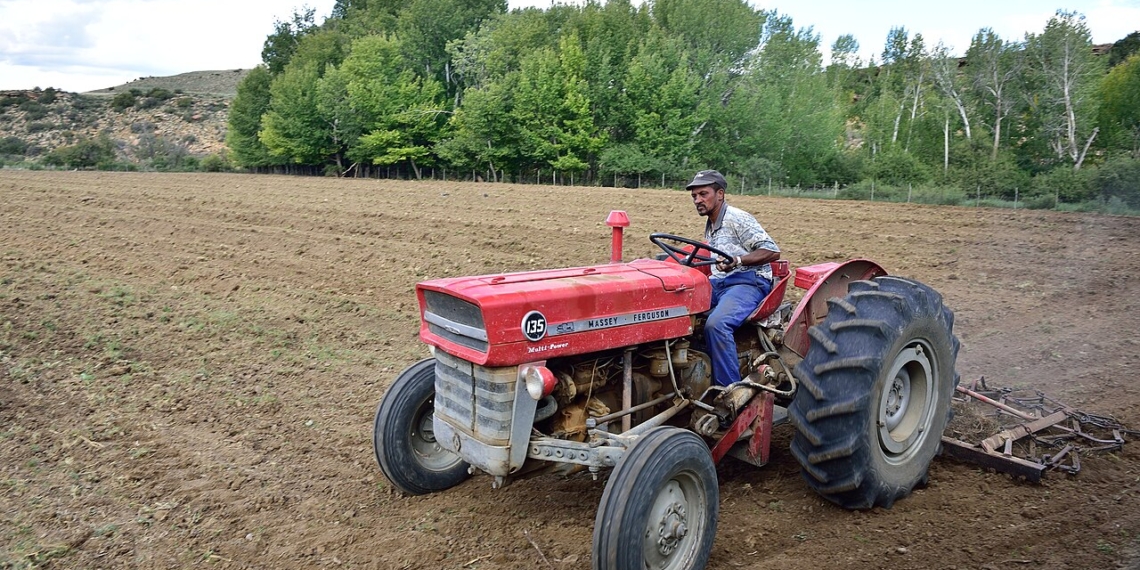
The SA Weather Service warns that an intensifying El Niño is set to bring a long, hot, and parched summer across South Africa. Photo: Wikimedia Commons

The SA Weather Service warns that an intensifying El Niño is set to bring a long, hot, and parched summer across South Africa. Photo: Wikimedia Commons

Share on FacebookShare on TwitterShare on WhatsApp

Though not El Niño-related, the Western Cape’s dry spells in July are not helping South Africa as it prepares for the predicted monster El Niño, which is expected to be felt far and wide.

Parts of the southwestern Western Cape experienced their driest July ever, a harbinger of what looms ahead for much of the country as the El Niño weather pattern intensifies and looks set to become a blazing record-breaker.

“Below-normal rainfall was observed in June and persisted into July [in the southwestern region of the province], with several parts of the region recording their lowest rainfall on record during July,” the South African Weather Service (SAWS) said on Friday, 31 July.

“Several severe weather systems impacted parts of the Western Cape during May and early June 2026, which significantly improved water storage across many parts of the province. Since then, a strong blocking Atlantic high-pressure system to the west of the country has driven cold frontal systems further south of the province.”

And as those cold fronts missed the province, the rains they would typically unleash did not fall over it. Cape Town International Airport recorded only 14.4mm in July, its lowest reading for the month in 68 years.


Related stories
  • A super El Niño looms: Africa’s five lessons in climate resilience
  • Ample grain stocks shield SA consumers from impending El Niño
  • ‘Severe blow’: Industry hit hard by unchanged wheat tariff

Winter wheat crop worry

The SAWS has for months been forecasting a relatively dry winter for the southwestern parts of the Western Cape, and that has come to pass with worrying consequences, including for the winter wheat crop.

“These unfavourable weather conditions continue to weigh on agricultural activity, particularly the winter crops. It is unsurprising that in 2026, South Africa planted about 473 000 hectares of wheat, which is 8% below last year. Remarkably, this is the smallest area planted to wheat since 1929,” said Wandile Sihlobo, chief economist of the Agricultural Business Chamber.

These dry spells were not directly linked to the unfolding El Niño, which typically only bares its fangs over South Africa in the spring and summer months. In winter, the weather over South Africa’s southwest is mostly driven by mid-latitude cyclones originating over the Southern Ocean.

Farmers urged to plan smart as El Niño threatens planting season

Heralding drought

But the effects of this El Niño – widely forecast to potentially be the strongest on record – will soon be felt far and wide across South Africa. Triggered by a warming of surface sea temperatures in the tropical Pacific, it usually heralds drought in this region.

‘Given the current uncertainty regarding rainfall during the 2027 winter season, the public is encouraged to use water sparingly in the coming months’

“As El Niño is expected to strengthen further over the coming months, the likelihood of a warmer-than-normal summer over the Western Cape is expected to rise.

“Given the current uncertainty regarding rainfall during the 2027 winter season, the public is encouraged to use water sparingly in the coming months,” the SAWS said.

On Friday, the SAWS also issued its monthly Seasonal Climate Watch, which looks five months ahead – in this case until the end of December – and El Niño has now taken centre stage in the outlook.

“It is expected that South Africa will experience its typical impacts of drier and warmer conditions during this coming summer,” the report said.

Worryingly, it reversed its previous forecast that the eastern coastal regions would have above-normal late winter and spring rainfall.

“The eastern coastal areas indicate a likelihood of below-normal rainfall conditions, which is significant as those areas start moving into their rainfall season,” the SAWS said.

The bottom line is that this summer looks set to be long, hot and parched. If you’re shivering now from the winter chill, get ready to sweat. 

  • This article was first published by Daily Maverick.

READ NEXT: Veld fire season threatens farmers, soil, and livestock

Sign-up for the latest agricultural news delivered straight to your inbox every day with Mzansi Today!

Ed Stoddard

Tags: Commercialising farmerEl NiñoInform meweather patternsWestern Cape
Delheim Estate awarded Conservation Pioneer, leading in eco-friendly winemaking and biodiversity preservation. Photo: Supplied/Food For Mzansi
News

Wine industry leaders call for collaboration and skills development

by Tiisetso Manoko
3rd November 2026

Addressing surplus challenges and empowering the next generation were central themes at the SAWIPB affiliates breakfast in Paarl. Stakeholders highlighted...

Read moreDetails
Grain SA CEO Dr Tobias Doyer speaks about the changing face of global agriculture at the CEO session of the Royal Agricultural Society of the Commonwealth’s 2026 Commonwealth Agriculture Conference at FNB Portside in Cape Town. Photo: Supplied

Commonwealth agriculture CEOs call for shows to evolve

3rd November 2026
Three ways to study agriculture, and one day to see the difference

Three ways to study agriculture, and one day to see the difference

3rd November 2026

Five key priorities shaping the future of SA’s animal feed industry

3rd November 2026
New PGP CEO to drive developing grain farmer success

New PGP CEO to drive developing grain farmer success

3rd November 2026

Life after Agoa: ‘SA’s exclusion is not the end of US trade’

Meet the judges: Shoprite’s Act For Change Food Garden Competition

New PGP CEO to drive developing grain farmer success

Fixing SA’s logistics is key to agricultural growth

Agoa blow: SA faces higher tariffs, but US market stays open

Join Food For Mzansi's WhatsApp channel for the latest updates!

JOIN NOW!
Next Post
More than gadgets: How practical agritech boosts your bottom line

More than gadgets: How practical agritech boosts your bottom line

THE NEW FACE OF SOUTH AFRICAN AGRICULTURE

With 21 global awards in the first six years of its existence, Food For Mzansi is much more than an agriculture publication. It is a movement, unashamedly saluting the unsung heroes of South African agriculture. We believe in the power of agriculture to promote nation building and social cohesion by telling stories that are often overlooked by broader society.

Commonwealth farming looks to partnerships for a stronger future

Your Sunday lunch has a story: How red meat keeps rural SA moving

Life after Agoa: ‘SA’s exclusion is not the end of US trade’

AgriSA backs Grain SA in fight over soybean pricing fairness

Meet the judges: Shoprite’s Act For Change Food Garden Competition

Bridge the maize yield gap with targeted precision and nutrition

  • Awards & Global Impact
  • Our Story
  • Contact Us
  • Cookie Policy
  • Privacy Policy
  • Copyright

Contact us
Office: +27 21 879 1824
News: info@foodformzansi.co.za
Advertising: sales@foodformzansi.co.za

Contact us
Office: +27 21 879 1824
News: info@foodformzansi.co.za
Advertising: sales@foodformzansi.co.za

  • Awards & Global Impact
  • Our Story
  • Contact Us
  • Cookie Policy
  • Privacy Policy
  • Copyright

Chat Options

About this assistant

This feature generates automated answers summarised from Food For Mzansi articles. By using it, you are interacting with an AI system (provided by Google), not a human. AI can make mistakes. Please refer to the source articles for verification and citation purposes.

Our staff do not check or moderate Lerato’s answers in advance, but may review some later. Our journalists continue to write and edit all the articles Lerato uses as sources.

To estimate unique and returning web users, we store a random browser ID in this browser. WhatsApp users are counted by phone number. The same person using both channels may be counted twice.

I'm Lerato, your AI assistant!
No Result
View All Result
  • News
  • Changemakers
  • Lifestyle
  • Farmer’s Inside Track
  • Food for Thought

Copyright © 2026 Food for Mzansi