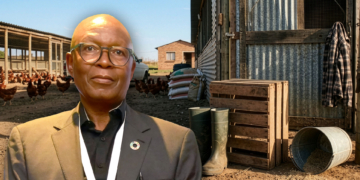
South Africa’s largest recorded outbreak of African swine fever (ASF) in commercial piggeries has been successfully contained, with affected farms north of Pretoria now depopulated and expected to return to full production within the next 12 to 18 months.
However, the South African Pork Producers’ Organisation (Sappo) has cautioned that ASF remains an ever-present threat, particularly in smaller and informal pig farming systems, where recurring outbreaks pose a significant financial and biosecurity risk.
According to Sappo general manager Karla Zietsman, while the commercial outbreak has been resolved, producers cannot afford to become complacent. Speaking to Food For Mzansi, she shed more light on the state of the industry.
Related stories
- SA pork prices plunge amid local market surplus
- Ample grain stocks shield SA consumers from impending El Niño
- Drought and heatwaves force SA maize farmers to adapt or switch
- SA poultry industry calls for urgent bird flu vaccine rollout
Patricia Tembo: Can Sappo clarify the current extent of the outbreak, whether it is under control, and what the risk is to the wider pig industry?
Karla Zietsman: The 2025/26 outbreak of ASF in commercial piggeries north of Pretoria was the largest ASF outbreak in SA to date. This outbreak has been resolved, and all these piggeries have been depopulated. We expect these units to repopulate and be at full capacity within 12–18 months.
African swine fever is, however, an ever-present risk, with continuous outbreaks in smaller/informal settings. Here, the financial impact of quarantine, lost production, and restocking can be difficult to absorb.
How are ASF and foot-and-mouth disease (FMD) expected to influence pork supply and prices over the coming months? Some reports suggest prices could ease, while others have warned of increases.
The disease outbreaks created considerable uncertainty around local pork supply. As a result of lost capacity and a disruption in normal marketing rhythm, imports increased to help offset potential shortages. At the same time, concerns over reduced local production pushed wholesale pork prices from approximately R32/kg to around R40/kg.
As commercial farms recovered and imported product entered the market, supply is currently exceeding demand, resulting in wholesale prices easing back to around R30/kg.
Looking ahead, Sappo expects the market to gradually normalise rather than experience another significant price swing. As local production and demand rebalance, prices are likely to stabilise closer to the long-term average of around R32/kg.
What assurance can you give consumers that pork sold through formal retail channels remains safe to eat?
Consumers can be confident that pork sold through formal retail channels is safe to eat. Neither African swine fever (ASF) nor foot-and-mouth disease (FMD) poses a risk to human health. These are animal diseases and are not transmitted to people through the consumption of pork.
South Africa has robust meat inspection and food safety systems in place throughout the value chain. Animals are inspected before slaughter, carcasses undergo rigorous inspection, and only meat that meets the required food safety standards enters the retail market.
What are the most important biosecurity measures commercial and emerging pork producers prioritise to reduce the risk of ASF and FMD?
Biosecurity remains the single most effective defence against both ASF and FMD. Every producer, regardless of the size of the operation, should consistently implement the following measures:
- Keep pigs isolated from other pigs and, where possible, from other cloven-hoofed animals by maintaining adequate distance and secure fencing.
- Avoid purchasing pigs from high-risk sources, such as auctions or farms with unknown or poor biosecurity practices.
- Limit visitors to the farm and ensure essential visitors follow strict biosecurity protocols.
- Require dedicated farm clothing and footwear, with footwear changed before entering pig facilities and used exclusively on the farm.
- Never feed untreated swill or kitchen waste containing meat products to pigs. Swill should only be used if it has been properly heat-treated in accordance with regulations.
- Thoroughly clean and disinfect livestock transport vehicles before loading and after unloading pigs.
How has FMD impacted the pig industry, and what lessons has the industry learnt from these outbreaks?
While FMD generally causes relatively low mortality in pigs, its economic impact on the pork industry is substantial. When outbreaks occur, movement restrictions disrupt the normal flow of pigs through the production and processing chain, creating sudden regional shortages in some areas and oversupply in others.
One of the key lessons from these outbreaks is that disease preparedness extends far beyond the farm gate. Strong biosecurity, rapid disease detection and reporting, effective traceability, and close collaboration between producers, veterinarians, industry organisations, and government are all essential to limiting the impact of future outbreaks.
READ NEXT: No limits: Charlotte Mosena builds farm-to-table legacy in Gauteng