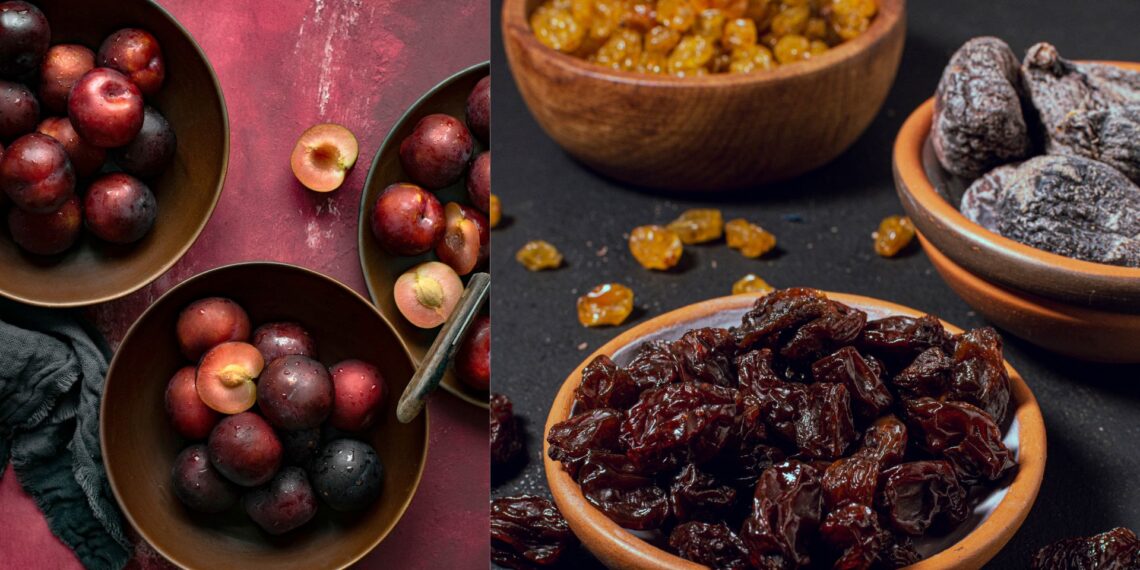
For years, prunes were treated simply as a healthy snack, but today they are part of more intentional food choices, valued for their balanced sweet and sour taste.
Prunes are dried plums, and in Mzansi, plum trees grow well and are relatively easy to manage, making production for the market more accessible. For agripreneurs, this presents an opportunity to invest in a crop that continues to gain demand.
For growers interested in cultivating plum trees, there are a few important requirements to take into account.
Top plum cultivars and growing conditions
Production scientist Zandile Nkolisa from the Dohne Agricultural Development Institute in Stutterheim, Eastern Cape, says, “Prunes are produced from European plum (Prunus domestica) cultivars that are suitable for drying.”
The main plum cultivars grown for prune production in South Africa are Van der Merwe, which accounts for over 80% of the country’s prune production, as well as D’agen, Janand, Tulare Giant, and Stanley, Nkolisa explains.
Full economic yields are usually reached five years after planting.
“The climate conditions for growing plums are characterised by a clear distinction between summer and winter seasons, with summers that can be very hot and dry, and winters that are often cold and rainy.”

Nkolisa notes that the optimal temperature range for plum growth is 18–30°C, with annual rainfall of 600–800 mm, most of it during winter.
“When rainfall is not sufficient, irrigation is important, as plums are sensitive to water stress during fruit set and development,” she adds.
Related stories
- Thailand and Philippines open doors for SA’s top fruits
- A look into Mzansi’s dragon fruit industry
- How to farm with subtropical fruit in Mzansi
Soil nutrition and protection
Nkolisa says plums grow best in well-drained, sandy loam to clay soils with a pH of 5.5–6.5.
“Like other fruit trees, plums require fertilisers to support healthy growth and development. Nitrogen promotes vegetative growth and leaf development, phosphorus encourages root growth and fruit production, and potassium improves fruit quality and overall tree health,” she explains.
She adds that micronutrients such as zinc, boron, manganese, and copper are also important. “These micronutrients support fruit set, quality, tree health, photosynthesis, nutrient uptake, and disease resistance.”
Nkolisa tells Food For Mzansi that pests and diseases remain a challenge in plum production.
“Major insect pests include codling moth, scale insects, mealybugs, and aphids, while common diseases include powdery mildew, brown rot, bacterial infections that cause canker and blight, and shot hole disease.”
According to Nkolisa, effective control depends on regular monitoring and integrated pest management strategies. “This includes a combination of biological, cultural, and chemical control measures.”
Processing prunes for profit
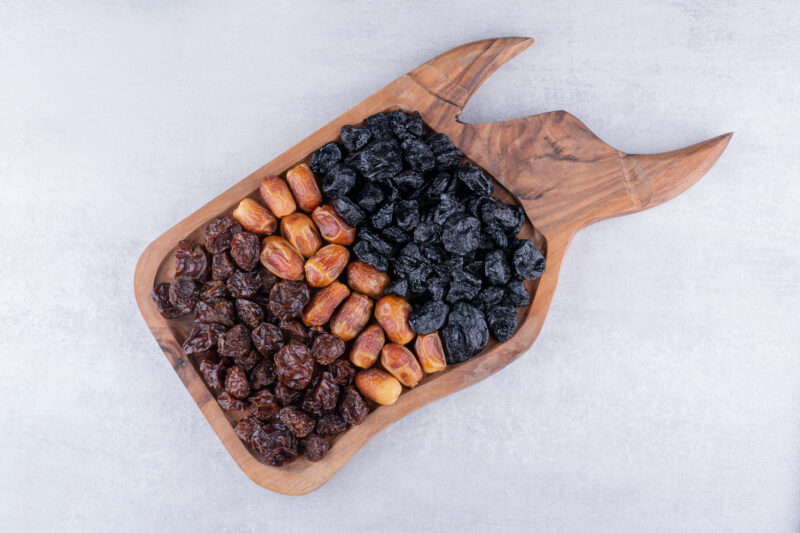
Elliot Madonsela, a BTech graduate in crop production and a farmer from KwaMhlanga, Mpumalanga, says sun-drying is the best option for small-scale farmers, as it has minimal costs and is easy to manage.
“From the drying process, I would suggest using paper packaging rather than plastic. Plastic packaging can trap moisture if the product is not properly dried, which may lead to waste at production level,” Madonsela adds.
He notes that at commercial scale, additives such as sorbates or sulphur dioxide, along with controlled packaging, are often used to extend shelf life and ensure product consistency.
Dr Asanda Sokombela, an assistant technician (horticulture unit) at the University of Fort Hare in the Eastern Cape, says processing plums into prunes offers Mzansi farmers a practical way to increase income and reduce risk. This is especially important under changing climate conditions such as heat waves, drought, and unpredictable markets.
“Instead of relying only on fresh fruit sales, farmers can dry plums into prunes and further process them into higher-value products such as prune juice, purées, powders, and chopped prunes for baking, cereals, and health foods.”

Photo: Supplied/Food For Mzansi
She says drying extends shelf life from days to several months, reduces post-harvest losses, and allows surplus or lower-grade plums to be profitably used.
Sokombela notes that farmers can adopt different drying technologies depending on scale and budget, including solar dryers for small-scale or off-grid operations, cabinet or tunnel dryers using electricity or biomass for medium-scale production, and industrial hot-air dryers for larger commercial volumes.
“By converting fresh plums into stable, storable products, prune processing can improve cash flow beyond the harvest season and offer farmers a more climate-resilient, value-added income stream.”
READ NEXT: China opens doors to five South African stone fruits