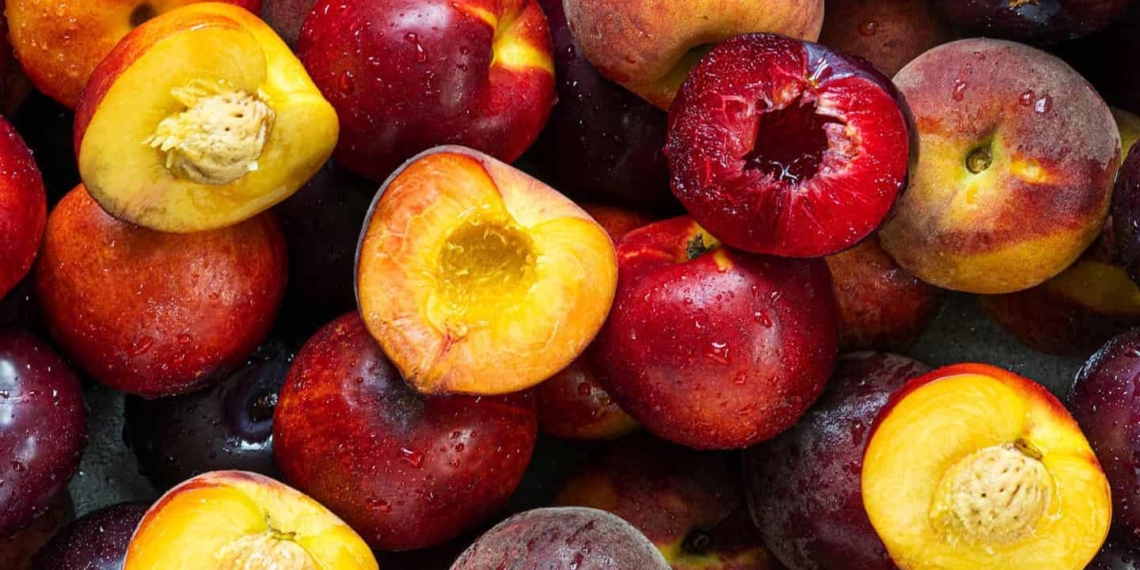
South Africa has secured production protocols with China for five stone fruit products, agriculture minister John Steenhuisen announced this week. This comes as the country scrambles for new markets, as the United States of America’s 30% tariffs came into effect last week.
The departments of trade, industry and competition and agriculture said the negotiations with their counterparts in the US were ongoing; however, the government is looking for new opportunities.
“In terms of diversification, China is a huge opportunity for South Africa, with 1.6 billion population, which is too many mouths to feed and a lot of demand for our agricultural products.
“I can share that after the last visit I attended with the deputy president in China…, we were given the protocols for stone fruit. This is significant in a number of ways; it is the first time China negotiated more than one product with us at a time, usually they focus on one fruit type, and we got five in this particular deal,” Steenhuisen said.
Related stories
- SA government unveils plan to counter US tariff storm
- Sihlobo: Trade issues mustn’t overshadow SA biosecurity crisis
- SA scrambles to shield farmers as US tariffs bite
- D-day for SA fruit exporters as 30% US tariff hits
Apricots, peaches, nectarines, plums, prunes
Steenhuisen said the country will be exporting apricots, peaches, nectarines, plums and prunes to China. He explained that the deal could be finalised on the sidelines of the upcoming agricultural G20 meeting next month.
“This will open doors for stone fruit into China, and the next mission thereafter will be cherries and mangos, and we are already advanced in terms of negotiations there.”
The minister added that the sector is also looking into Africa as a market in industries like wine, which has seen growth on the continent.
Steenhuisen said the tariffs were not only affecting South Africa, so it was important for all affected countries to adapt to the realities of tariffs and seek diversification of their products.
“We are committed to diversification, and we are looking extensively at new markets,” he said, noting that it would reduce dependence on any single destination and safeguard the sustainability of both the economy and trade relations in the long term.
READ NEXT: Lesotho bans key food imports to boost local farming