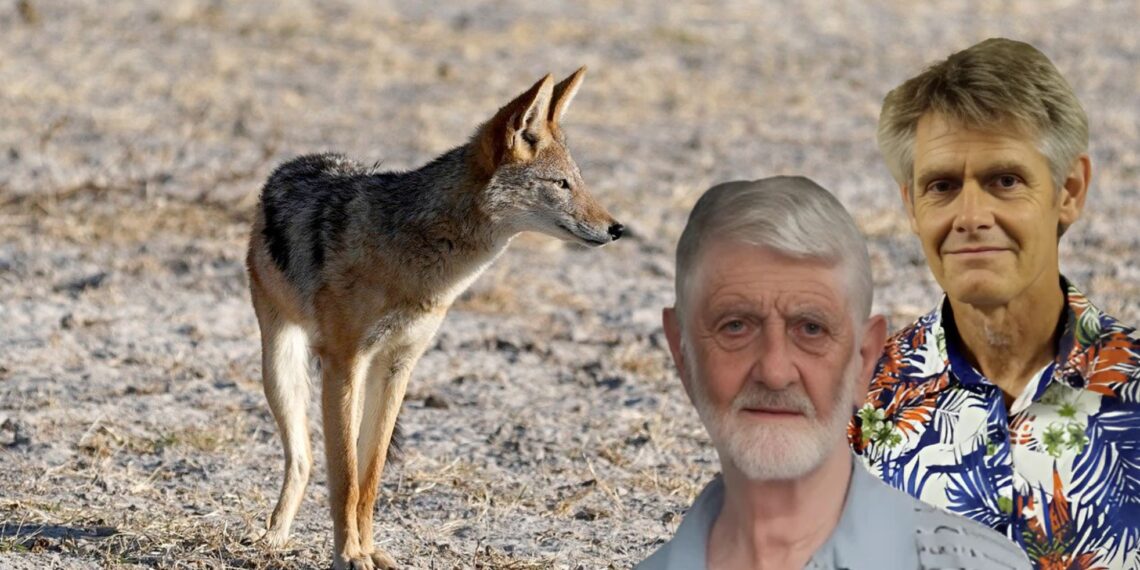
Livestock farming feeds South Africa, but at what cost? Emeritus Professor Leon Hugo and postgraduate student Jean Hugo weigh in on sustainability, predator management, and the ethical dilemmas farmers face in protecting their livelihoods and ecosystems.
With the ever-growing human population and its increasing demand for food, livestock farming plays a crucial role. In South Africa, beef production reached 777 000 tonnes in 2024, reflecting a 7.3% increase from 2023. While this industry generates significant income, it also faces considerable challenges.
Grass-fed cattle (as opposed to free-range grazing) require 3.0 kcal of energy input for every 1 kcal of energy output (Hugo & Hugo, 2025:141). From a sustainability perspective, this is inefficient, as it consumes more energy than it delivers. This raises an important question: Should agriculture continue unsustainable practices simply because they are in demand and profitable in the short term?
To complicate matters, sheep farmers also face financial challenges beyond sustainability concerns. Poaching and losses caused by predators pose serious threats to the viability of their businesses.

As a result, many farmers resort to widespread culling, often indiscriminately killing animals such as jackals. Getting rid of predators is not an easy task. Some farmers use packs of dogs to hunt wild animals. These animals used to be called “vermin”, but are now known as “problem species”. Sadly, this name change has not improved their fate.
A few years ago, a hunting group called Oranjejag, supported by the Free State’s department of nature conservation, killed many wild animals:
- 262 caracals
- 1 628 black-backed jackals
- 2 358 Cape foxes
- 177 African wildcats
But not all these animals were attacking farm animals. Many, like Cape foxes and wildcats, mostly eat mice, birds, and insects. This kind of mass killing does not distinguish between real threats and harmless animals. Even birds of prey are sometimes killed, despite not being a problem.
Related stories
- Stray, unmarked livestock a death trap on Mzansi’s roads
- FMD: Research shows water disinfection could protect livestock
A single predator can cause severe damage, but it is unfair to target the entire species. Just as we would not blame all dogs for one dog bite, we should not punish all wild animals for the actions of a few culprits. Thanks to technology and skilled farmers, it is now possible to identify which specific animal is attacking livestock and only target that one.
Traps and snares: Cruel, indiscriminate, and wasteful
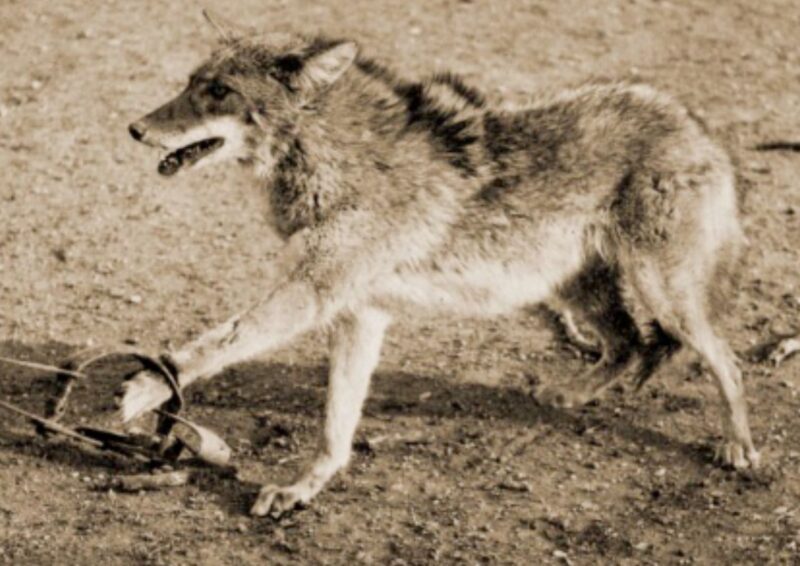
Some farmers set traps or wire snares to catch predators. But this method is often cruel and wasteful. Animals caught in snares may struggle for hours and badly injure themselves trying to escape. Sometimes, they break free but are left wounded. Other times, the traps are not checked, and the animals die slowly and rot away.
These traps do not just catch problem animals. They often trap the wrong species — sometimes even endangered animals. For example, between 2020 and 2022, over 14 000 snares were found and removed in Kruger National Park. By then, however, 415 animals had already died, including 14 African wild dogs, which are endangered. Losing even a few of these dogs is a devastating blow to their population.
To counter this, the Cape Leopard Trust and other organisations have joined forces to create the Western Cape Snare Response Plan, ensuring a rapid response when animals are trapped. Partners include CapeNature, Kogelberg Biosphere, Wildlife Forensic Academy, and the Cape of Good Hope SPCA.
An alternative method is poisoning, which is equally cruel and painful. It can also endanger human health when people consume so-called bushmeat. The bushmeat trade in Africa has been linked to the spread of deadly diseases such as ebola and monkeypox.
Selective shooting is regarded as the most humane method, but it is often considered too expensive and time-consuming.
On the other hand, the way predators kill sheep is equally cruel. Farmers in the Karoo report that predators kill up to a third of their sheep. They pose a thought-provoking question to the public: Would you be willing to sacrifice a third of your salary in the name of conservation?
Contributions to the debate are welcome.
- Prof Leon Hugo is an Emeritus Professor in the geography department at the University of Pretoria, and Jean Hugo is a post-graduate student in video technology at Tshwane University of Technology. The views and opinions expressed in this article are those of the author and do not necessarily reflect the views or positions of Food For Mzansi.
READ NEXT: TVET colleges put agriculture at the heart of student development