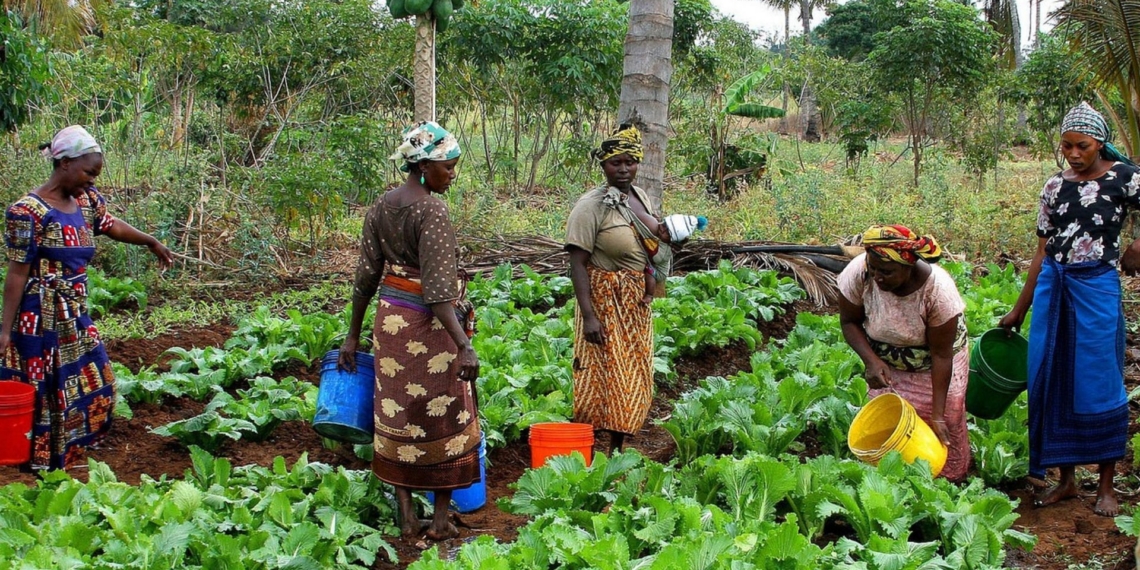
South Africa’s water crisis remains a concern for farmers who need enough water to keep their crops growing. With El Niño raising concerns about possible dry conditions, water availability is once again in focus.
Urban farmers who rely on municipal tap water may also struggle to keep their gardens productive when water supplies are limited. Reusing water, including household greywater, can help some gardeners maintain their crops.
However, experts warn that greywater must be used carefully to protect plant health, soil quality, and the safety of food grown for consumption.
Reusing household water with care
Oneziwe Jackson does not need an expensive system to save water for her backyard garden. The Cape Town-based farmer and food technologist collects water used to wash vegetables, as well as clean water that runs while she waits for her shower or kitchen tap to warm up. She keeps it in buckets and a drum for watering her container garden.
“No expensive equipment, no complicated system, just a few changes to my daily habits,” she said.
However, Jackson noted that households need to be careful about the water they reuse. Water collected before it has been used is different from greywater, which comes from activities such as bathing, showering and washing clothes.
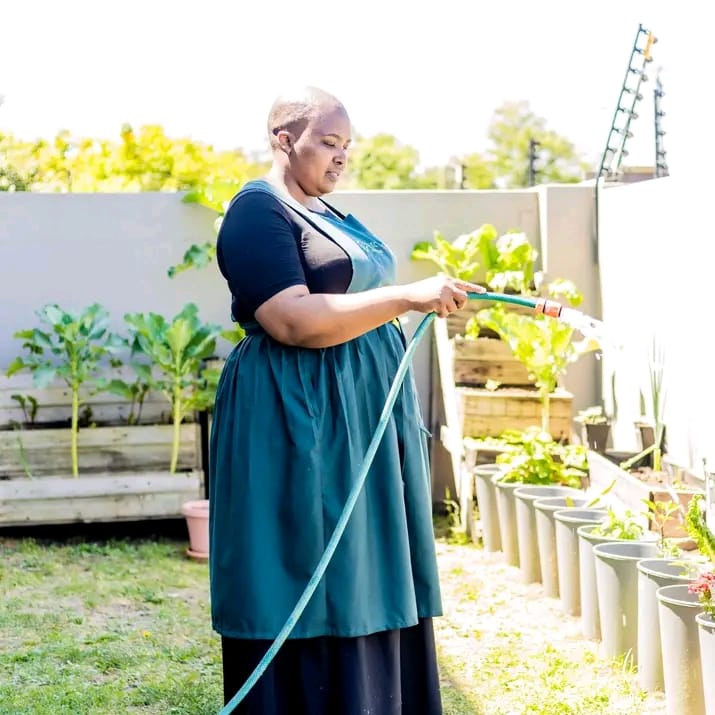
Water that was used to wash vegetables, she added, may be suitable for garden use if it has not been contaminated with soap or other substances.
She advised against using dishwashing water in a food garden because it can contain detergents, grease and food residues. Laundry water also needs care because some products contain chemicals and salts that can harm plants and soil.
“Saving water must never come at the expense of our health,” she said.
Capturing rainwater and storage
“I reuse a lot of kitchen water and rainwater,” said Nkosinathi Mbele, a permaculture practitioner based in Bez Valley, Johannesburg East. Mbele has installed gutters on his house to collect rainwater.
He said growers can also look at how water moves across their land to find ways of collecting and storing it for drier periods. Areas such as rooftops, driveways and roads can direct runoff towards suitable collection points. Swales and small ponds can help capture water for later use.
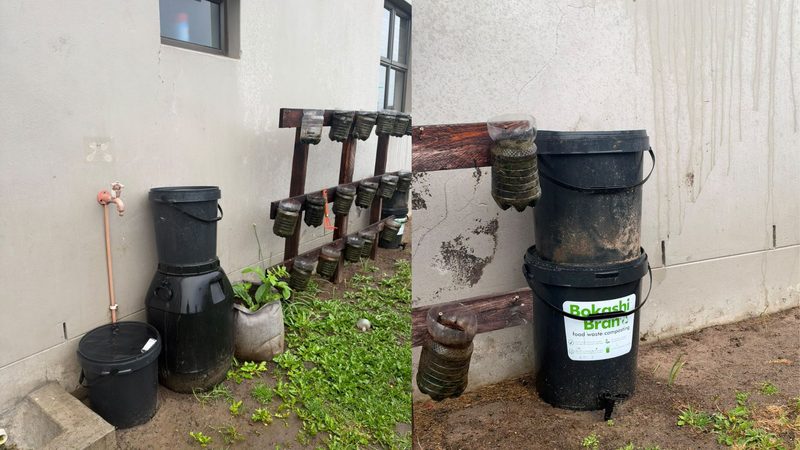
He recommended using filtration systems made from materials such as gravel, sand and broken shells to trap solid particles. Mulching is another way to conserve water, he added. Covering the soil helps reduce evaporation, limits erosion and suppresses weeds that compete with crops for moisture.
Mbele also warned that growers should consider the quality of water they collect, as laundry water may contain chemicals and salts that can harm plants and soil. Water collection and filtration systems must be designed with care to reduce the risk of contaminants reaching crops.
Related stories
- Post-storm recovery: Managing soil and stock after severe weather
- Veld fire season threatens farmers, soil, and livestock
- New initiative aims to tackle fertiliser costs via wastewater recycling
- Farmers rethink water use as shortages threaten food production
Greywater needs careful handling
Tshwane-based plant pathologist Sibongile Jiyane explained that household water can help gardeners save water, but they need to consider what it contains before using it on crops.
Water used to rinse fruits and vegetables is generally a better option, provided it has not been contaminated with harmful substances.
Bath water may also be reused, while laundry and dishwashing water need more caution because detergents and cleaning products can contain chemicals that harm plants and soil over time.
Jiyane noted that sodium and boric acid can damage plants or affect soil quality when they build up through repeated use. She advised households to check which products they use before deciding whether the water is suitable for their gardens.
“Plants may appear healthy while still being exposed to potentially harmful microorganisms,” Jiyane said.
Greywater can also cause visible signs of plant stress, including yellowing leaves, brown leaf edges, wilting, stunted growth and poor seed germination. A white crust on the soil may indicate salt accumulation, although these symptoms can have other causes.

Water containing bleach, strong cleaning chemicals or sewage should be avoided unless it has been properly treated. Jiyane advised applying suitable greywater directly to the soil around plants, avoiding contact with leaves and edible parts of crops.
For leafy vegetables such as lettuce and spinach, this is especially important because contaminated water can leave harmful microorganisms on the parts people eat.
“Conserving water is important, but it should not compromise soil health, crop productivity or the safety of food consumed by households,” she said.
READ NEXT: SA’s deepening water crisis threatens national food security