Rosa Ramaipadi, a small-scale farmer and agroecology advocate in Onverwacht, Limpopo, is encouraging her community to use climate-smart ways of farming to produce their own food and sell the excess harvest.
It’s early December yet the landscape on the farms in Onverwacht, near Polokwane in Limpopo, is a dull brown and dry. Red dust rises into the sky as a hot wind sweeps through in the late morning. Usually, at this time of the year, the land looks green, but the rains have not been good so far.
Frustrated farmer Rosa Ramaipadi (58) is still hopeful, though. “We don’t have much rain, so we haven’t yet planted. But we still have a chance [if it rains] in late December,” says the agroecological farmer from her 12-hectare farm.
Ramaipadi is the president of Mzansi Climate Smart Agriculture, a network of rural-based small-scale and backyard farmers engaging in organic farming and permaculture in a bid to reduce their negative impact on the environment.
Encouraging others
“So far, we have more than 100 farmers who I encourage to do organic farming and also plant our indigenous food and fruits,” Ramaipadi says.
The network is also engaged in efforts to build a seed bank of indigenous crops. The seeds, for crops such as millet, beans, vegetables and herbs, are distributed to farmers to increase the use thereof.
“The indigenous crops are very much resistant to drought,” says Ramaipadi. “That is why the old people planted every year. Even though [sometimes] there was not too much rain, they were able to harvest.”
Ramaipadi says indigenous farming systems that sustained generations have been replaced by nonorganic systems that have added to the impact of climate change.
Time to adapt and go back to our roots
“Our farming systems are no longer working like in the past. Our land and our soil have been destroyed by the use of too many chemicals and synthetic fertilisers. So we need to go back to our roots and plant our indigenous food,” she says.
Read more in Daily Maverick: Small-scale farmers putting food back where it belongs — at the heart of communities
Agroecology promotes the use of organic farming methods such as green fertilisers, rainwater harvesting, composting and soil and water conservation.
“What we are doing now is about food security, food sovereignty and climate justice,” Ramaipadi says. “When we farm organically we are at least trying to clean the air because our surroundings are full of chemicals.”
A 2020 report by the Department of Agriculture, Fisheries and the Environment says major impacts of climate change include a reduction in the amount of suitable arable and pastoral land, a shortening of the growing season and a decrease in crop yields. Rural-based communities, where economic opportunities are limited and poverty levels high, are more likely to feel the impact of climate change.
Inclusive, sustainable approach
But Ramaipadi and her colleagues are working to encourage communities to use climate-smart ways of farming to produce their food and sell the excess harvest.
“Our communities have come to understand what we are doing. As an organisation, we are going to the villages, going house to house to say, let everyone have a backyard garden where you grow your food.”
Ramaipadi’s love for farming was nurtured during her upbringing in Sekhukhune, where her parents had a dairy farm. “I grew up milking cattle. My mother was the one who was running that dairy farm. After school, I would go to the farm and I would be there with my mother milking the cows,” she says.
One of the important lessons she learned during this period was to process sour milk, a skill she is now putting to good use as a trainer and agro-processor.
After matriculating, Ramaipadi enrolled for a teacher’s diploma and later earned a degree in education at the University of Limpopo. Although she taught mathematics and physical science for years at various schools, she eventually quit teaching in 2007 and began life as a farmer.
Empowering the youth
But she continues to be a teacher, albeit one with a different curriculum, and works with different NGOs to organise farmers and facilitate workshops. “I teach them plant production, animal production and other different skills in farming,” says Ramaipadi.
She is encouraged that a number of the emerging farmers taking part in these workshops and programmes are young.

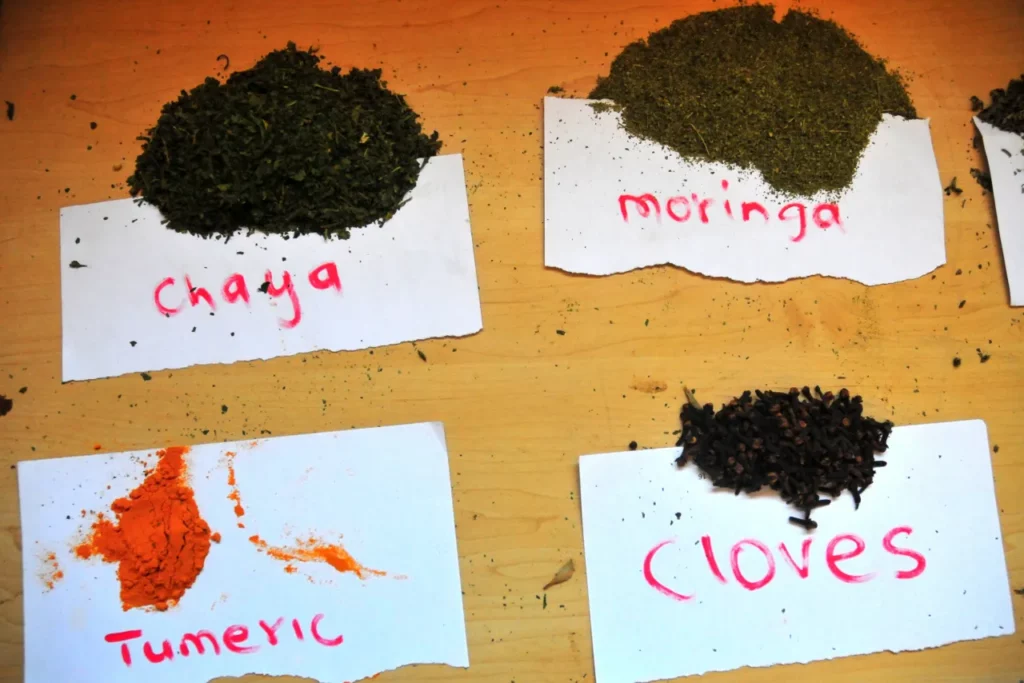
“A lot of them are into agro-processing. One boy is processing moringa, doing moringa soaps, drinks, and juices. They’re producing detergent using moringa and other natural products like turmeric, bay leaves — they are producing a lot of things.”
In June, the Polokwane Local Municipality gave the farmers space in the provincial capital to set up their inaugural farmer’s market. The event drew an overwhelming response from members of the public fascinated by types of crops such as millet that have all but disappeared from their communities.
The United Nations and its Food and Agricultural Organization underlined the significance of millet as an important food source by declaring 2023 the International Year of Millets.
“What we are trying to do is to ensure that people go back to eating healthy food. We are trying to say we’re eating a lot of genetically modified crops. It doesn’t work for us because there are too many illnesses and sicknesses. We can’t even explain what’s happening,” says Ramaipadi.
Going back to normal amid climate change
The effects of climate change continue to weigh heavily on farmers, but Ramaipadi doesn’t believe all is lost. “The climate is not going to go back to normal. It’s us who should go back to normal so that we can help the climate to go back to normal,” she says.
And she wishes for more support from the government: “They are slow in coming closer to us.” Mukurukuru Media/DM
This story first appeared in our weekly Daily Maverick 168 newspaper
ALSO READ: Climate Change: Cape Town wildfires warn of future challenges
Sign up for Mzansi Today: Your daily take on the news and happenings from the agriculture value chain.