As humans, we love a silver bullet quick fix and there is no doubt that technology is influencing farming and changing it, particularly for the very large operators. However, technology is not solving the underlying problems that are being faced and the agriculture sector has to start focusing on solving them. Regenerative farming is one way of supporting the global response to the threat of climate change, desertification, and biodiversity collapse.
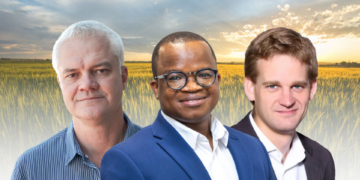
Regenerative consultant, Andrew Ardington of the Regenerative Agriculture Association of Southern Africa, gives insight into the realities Mzansi farmers will face in 10 years.
According to Ardington, those issues are soil degradation, desertification, and climate variability. As we learn to farm with soil health at the centre of our thinking, no number of apps, drones, and variable planting rates will solve these problems, he cautions.
“We live on and are part of a biological planet. We need to start to stop thinking that we can solve our biological problems with chemistry and technology. The crises of the future are energy and water,” says Ardington.
Unless we focus on requiring fewer external energies on farms, such as diesel, nitrogen, and fertilisers, and on water catchments, Ardington expresses that we are not planning for the crises.
Environmental challenges
Climate change is just a part of several environmental challenges, as well as desertification and biodiversity collapse.

“These receive a tiny fraction of attention that climate does this. But they are going to impact farming significantly. All three already have,” he says.
Climate change is not something that might happen in the future; rainfall patterns have already changed and most areas in South Africa experience fewer rain events. Those rain events are much more severe than they used to be.
“We swing through cycles of droughts and floods. Farmers need to manage their farms in ways that make them much more resilient to these changes, and those that don’t are going to spiral down onwards. Water is already a major issue in South Africa and unless we change our land use practices to one that infiltrates and hold as much water as possible, this situation and days zero are only going to become worse,” he explains.
Biggest crops that will be impacted
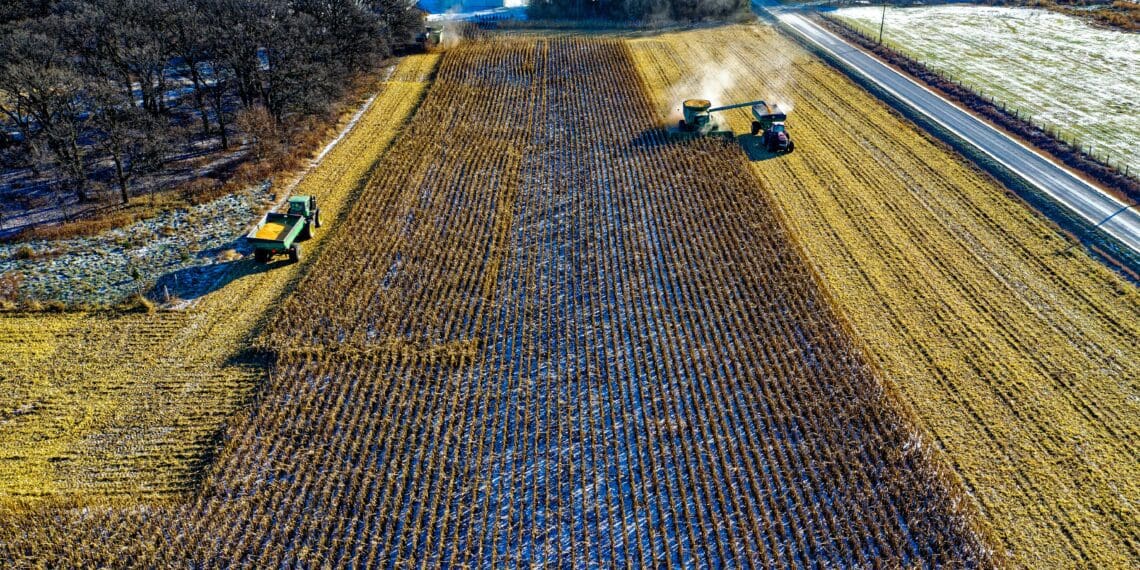
The biggest cropping area in South Africa is the maize region. It suffers from erosion and is dependent on external energy to produce its crops.
“It is also the area with the lowest adoption rates on conservation agriculture and regenerative agriculture in the country. The technologies these types of agriculture require are not new, but the science around them is cutting edge,” he says.
Future farming cannot just be about food production regardless of the external costs. Food production impacts soil and soil does so much more for humans than provide us with food.
And until this sinks in, we are looking for the wrong answers to the wrong questions, Ardington explains.
Load shedding is also a major factor
Load shedding is impacting farming in so many ways. Eskom’s impact on irrigation farmers this summer has been brutal.
“The fruit supply chain is also being changed as a result of load shedding, making business more difficult for farmers,” he says.
There’s already a significant movement to solar in terms of providing a solution. Solar is used for water supply and irrigation. The solution will continue to grow.”
Another issue that farmers must deal with, is theft in a state of disaster as farmers need to be wary of robberies to be able to live sustainably, warns Ardington.
Prepare for environmental changes
Producing food in a dry country like South Africa in the future will be a major challenge, says Ardington, and there are ways in which farmers can prepare for environmental challenges.
Farmers can:
- Become climate-smart.
- Focus on organic matter such as soil, carbon, and water.
- Adopt conservation principles.
The principles of regenerative agriculture farmers can incorporate into their operations are:
- Minimum soil disturbance: Minimal soil disturbance mechanically and biologically.
- Keep the ground covered and keep the soil protected from the sun, wind, and rain.
- Diversify: If you only have one crop, the soil biology and ecosystem will become highly imbalanced (crop rotations).
- Living roots: The only way that biology can be fed is by photosynthesis being fed to the soil by plant roots.
- Integrate livestock: No ecosystem on our planet functions without livestock.
“If you do this on your farm, you will improve your water infiltration and water holding capacity. You will increase your farm’s resilience to climate variability,” Ardington says.
ALSO READ: Agroforests can help turn food security around
Sign up for Farmer’s Inside Track: Join our exclusive platform for new entrants into farming and agri-business, with newsletters and podcasts.