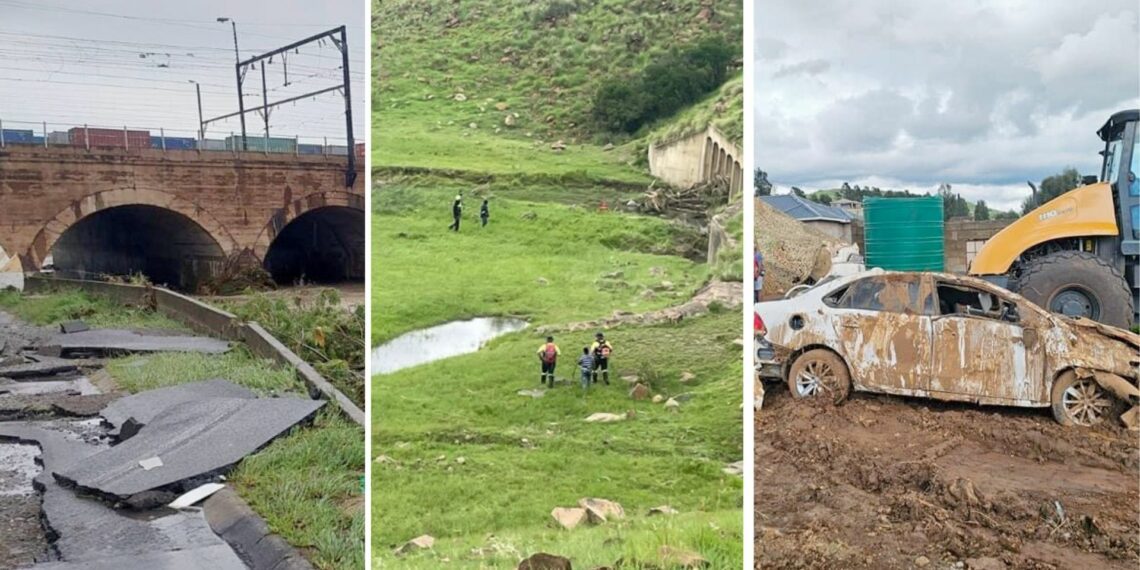
While KwaZulu-Natal faces extensive devastation from intense rainfall, causing severe flooding and the tragic loss of over 20 lives, the province’s department of agriculture and rural development reports has launched a special committee to assess the damage, particularly focusing on infrastructure and agricultural land.
The South Africa Weather Service (Saws) released a level four weather warning earlier this week, predicting that areas in KwaZulu-Natal and the Eastern Cape would experience heavy rainfall which could lead to flooding. Heavy downpours have plagued the province since early December last year. However, according to the department’s head of communications, Vusi Zuma, no agricultural impact has been confirmed or reported.
“As a department, we have our disaster committee that is basically on the lookout for any damage to agricultural products. But for now, the good news is that there is nothing much that has been reported.
“The reports we’re getting from our extension officers is that there is no agricultural damage and we understand that there were people who unfortunately lost their loved ones,” said Zuma.
A special committee of extension officers
Zuma said the department is committed to visiting all impacted farms, where they will promptly address and restore access roads leading to these affected agricultural areas.
“We know that most of the farmers are affected by road access when there are such disasters but as for now, there is nothing that has been reported in terms of water-logged farms. There are no reports of damaged crops in the province and the livestock are still in good condition, said Zuma.
He said the special committee comprised mostly of extension officers who will be collecting information from their different locations to ascertain whether there is any damage to agricultural land and products.
ALSO READ: Didiza calls for collab on floods at FAO conference

Damage to local roads
On Christmas Eve last year, the community of Ladysmith was devastated by floods that swept through an informal settlement situated on the banks of the Bellspruit River.
Ladysmith Mayor Zama Sibisi told Food For Mzansi that the flood stream, a small one, has never experienced flooding of this magnitude in the past.
He explained that the N11 Road and the Shepston Road were mostly affected by the flood, resulting in the complete closure of the Josh Ntanga Road. This, he said posed a potential challenge for farmers travelling in and out of the town when transporting agricultural produce.
“We have made requests for the road to be fixed soon because at the moment it cannot be used, which means people who are using the road might be challenged,”
“At the moment, I can say that we have not confirmed whether there has been any damage to any agricultural land because most of our farms are further away from the town,” said Sibisi.
ALSO READ: Take action against crop sunburn as El Niño turns up the heat
Sign up for Mzansi Today: Your daily take on the news and happenings from the agriculture value chain.