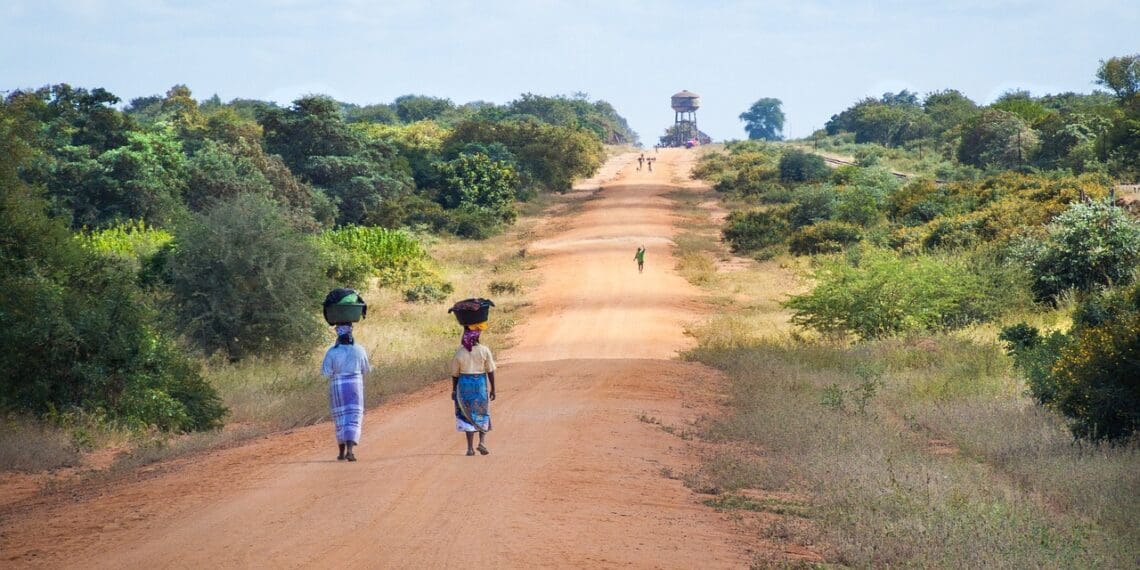
The Rural Women’s Assembly urgently implore governments, civil society, and international organisations to tackle critical issues. As stewards of the land and life, they call for collective commitment to creating a world where rural women have dignified access to essential resources, fostering a future free from hunger.
We, the rural women who stand as the primary producers of food for the global population, are compelled to bring to light the pressing challenges we face: landlessness and hunger.
Rural women play an indispensable role in the agricultural sector, contributing significantly to global and household food security. We are the steadfast guardians of indigenous seeds, preserving generations of agricultural heritage and biodiversity. Through our nurturing care and intergenerational knowledge, we safeguard traditional seeds that are resilient, diverse, and adapted to local ecosystems.
These seeds represent the essence of sustainable agriculture, embodying a vital link to our agricultural past and a sustainable future. We are the backbone of our communities, working tirelessly on farms and small plots to cultivate and produce food that nourishes not only local populations but also reaches tables around the world.
The challenges
Regrettably, we find ourselves confronting the harsh reality of landlessness, a formidable obstacle that denies us the essential right to cultivate and own the land we work on. This deprivation perpetuates a vicious cycle of poverty, leaving rural women caught in an unending struggle to make ends meet and provide for their families.
Moreover, despite our crucial role in food production, a shocking number of rural women and their families suffer from hunger and malnutrition leading to tragic circumstances such as suicide as we are unable to feed. This glaring disparity between the indispensable role we play in feeding the world and our food insecurity is both unacceptable and deeply troubling.
READ NEXT: Stumbling blocks: Funding, land access curb women farmers
The broken food systems further exacerbate our challenges, amplifying the barriers faced by rural women in communities with limited or no access to land and water:
Breaking down the barriers
1. Food insecurity amplified by broken food systems: Food systems that are inefficient, unequal, and environmentally unsustainable contribute to exacerbated food insecurity among rural women. Flawed distribution channels, unfair market practices, and inadequate support mechanisms lead to reduced access to nutritious food for us and our families. Local food systems are destroyed so the global markets can gain a market edge even in remote villages.
2. Lack of land and water access: Many rural women struggle to access and control land and water resources, critical for sustainable farming. Limited access to irrigable land and reliable water sources diminishes our ability to grow sufficient food, perpetuating the cycle of hunger and poverty.
3. Environmental degradation impacting food production: Environmental challenges such as climate change, deforestation, soil degradation, and the loss of biodiversity critically impact our ecological system, heightening the struggle to grow sufficient food to sustain our families and communities. The degradation of biodiversity, including the loss of diverse plant and animal species, disrupts delicate ecosystems, disrupts pollination cycles, and weakens the natural resilience of our agricultural systems, posing an urgent threat to our food security. As rural women, we witness firsthand the profound consequences of this ecological imbalance on our ability to cultivate diverse and nourishing crops, emphasising the need for sustainable, biodiversity-conscious agricultural practices.
4. Inequitable policies and resource allocation: Policies that do not prioritise rural women’s needs and lack of equitable resource allocation further marginalised us, hindering our potential to enhance agricultural productivity and improve livelihoods.
5. Lack of financial systems to develop concrete alternatives such as agroecology instead subsidies go to multinational companies to supply chemical fertilisers/ pesticides and GMO seeds.
Act now
We urgently call upon governments, civil society, and international organisations to address these pressing issues:
- Policy reforms and supportive legislation: Governments must enact and enforce policies that promote land rights for rural women, ensuring equitable access and ownership. Legislation should also address fair market practices and empower us to participate fully in the agricultural sector.
- Sustainable agriculture and climate-resilient practices: Encourage and support the adoption of sustainable agroecological practices and climate-resilient farming techniques to mitigate environmental challenges and enhance food security for rural women.
We are the guardians of the land, life, seeds and the cultivators of sustenance. Our resilience and determination are boundless. It is time for a collective commitment to address these challenges and create a world where rural women have access to land, water, and resources essential for a dignified life and a future free from hunger.
- The Rural Women’s Assembly is a self-organised network of rural women, movements and organisations based in ten different countries in the Southern African Development Community (SADC) region and six provinces in South Africa. The views and opinions expressed in this article are those of the author and do not necessarily reflect the views or positions of Food For Mzansi.
ALSO READ: Karoo lamb: GI status holds global promise amid export hurdles
Sign up for Mzansi Today: Your daily take on the news and happenings from the agriculture value chain.