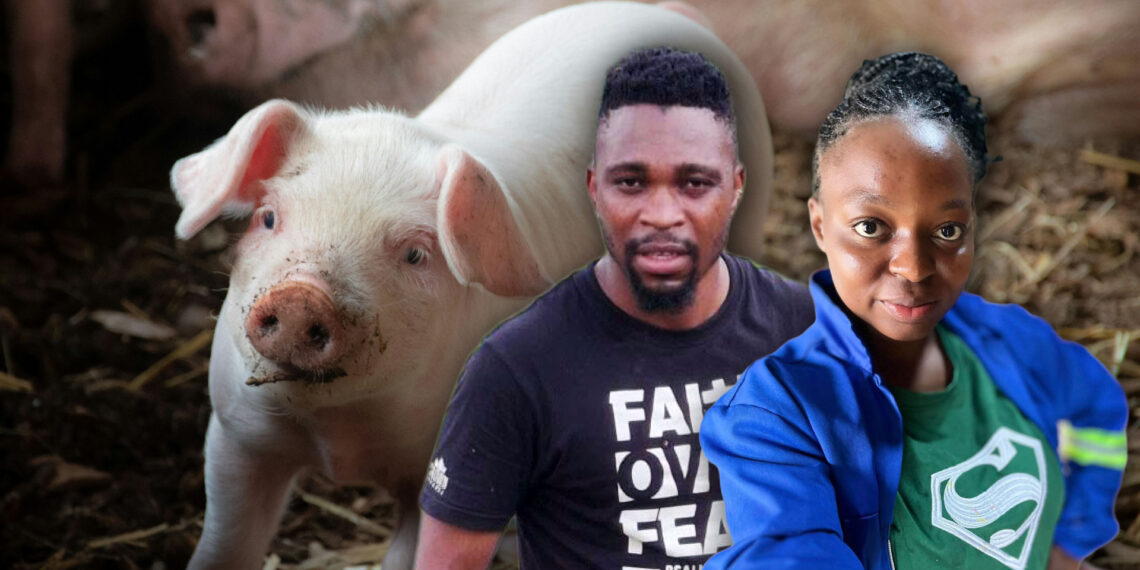
For teacher Mokgadi Mamorobela, farming was once foreign territory. That changed when love led her to her partner, Kabelo Macheru, and they started GenCrops & Farming from two piglets and sheer grit.
Sun-drenched hills of Bolobedu, Limpopo, shaped Mamorobela’s early days. She finished matric at Tshwene High School, then walked the halls of the University of Limpopo, studying education.
In 2024, Mamorobela graduated and stepped into a classroom in the Motupa Circuit. She now guides foundation phase learners with patient hands and warm smiles.
Growing up, farming was nowhere in her world; she knew nothing about it and never dreamed she’d love it.
However, everything changed in 2020 when she met Macheru during her first year at university. He was finishing his BSc, became the love of her life, and introduced her to farming.
“My partner is a farmer; he loves farming, so during my early days of being with him, I learnt more from him about farming,” Mamorobela explains.
Their connection blossomed into a partnership, rooted in his own drive for independence.
Related stories
- Limpopo farmer finds peace, purpose in the harvest
- Cape couple cultivates thriving exotic mushroom business
- Love lives here: Farming couple embraces technology and thrives
- Soweto couple conquers hunger with community farm
Growing together
Starting a farm was no easy task. Macheru had no farming family background, no funding, just raw passion and love for the land. “I didn’t want to work for anyone; I wanted to do my own thing, and farming was already something I did part-time that I truly enjoyed,” Macheru shares.
Mamorobela watched him pour his heart into the dream and knew she had to help make it real. She encouraged him to find steady work so they could build from the ground up.
He landed a job at a brewery in Johannesburg, juggling long shifts with his studies while saving every rand for their future. That determination paid off in November 2024 when they launched GenCrops & Farming and began growing seasonal crops like tomatoes and onions, best suited to each cycle and selling them locally.
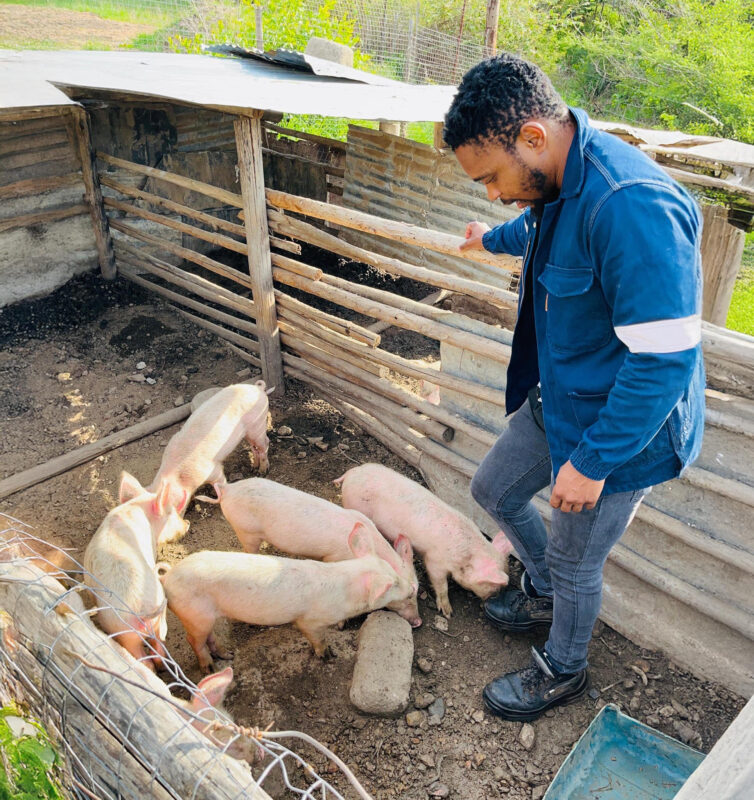
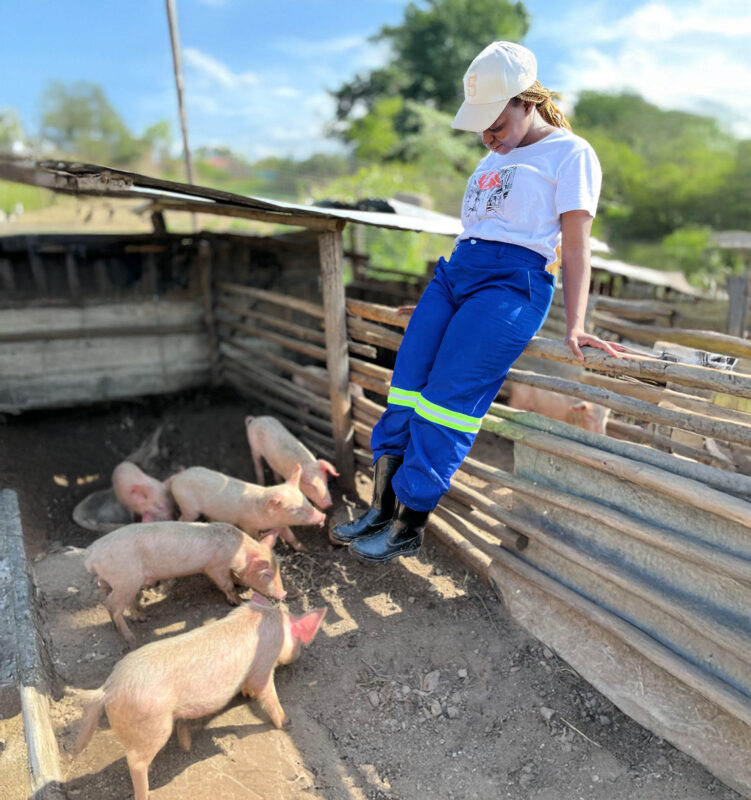
Though they have a two-yard stand ideal for farming, the lack of water access forces them to work behind the yard instead. There, they took their first bold step into piggery with two female Large White piglets and a sturdy borrowed male.
Soon, joy arrived with new life: the sows got pregnant and gave birth in 2025; one delivered 10 healthy piglets, the other eight. They sold some right away, turning hope into their first real income.
Building on that success, they also decided to try poultry. They pooled their funds to purchase 100 chicks, raised them, and sold them out fast. They recently got a second batch, watching their farm take root.
As the operation grew, Mamorobela stepped into the lead. She applied every skill Macheru had taught her over the years, feeding, breeding, and selling, while he worked far from home.
Macheru describes their teamwork as amazing, “Having a wife that has your back in every corner is a blessing,” he says. “It’s the best feeling, knowing that when you feel like giving up, someone still believes in you.”
That support extends to his mother, Motlatjo Josephine Seabela, and a part-time employee, who helps when Mamorobela’s full-time teaching job demands her time.
Hurdles and horizons
Yet farming still brings its challenges. “On the pigs, finances are the biggest hurdle,” she explains.
“They eat pig grower, and we buy around three bags a month at R500 each… It also doesn’t generate income right away – you wait months. We’ve spent our own money because it takes about six months for a pig to grow big enough to sell for meat, and people don’t buy piglets since they’re expensive.”
Despite these obstacles, Mamorobela and Macheru remain optimistic. Looking ahead, they plan to expand poultry with 200 more chicks in the coming months. Once their land has water access, they’ll ramp up vegetable production, too.
“Our dream is a thriving piggery with more pigs, bigger, healthier ones, so we can also supply butchers with meat, and maybe add goats as well,” Mamorobela says.
READ MORE: Spekboom revival: Thicket restoration creates thousands of jobs