Food insecurity is a pain that concerned citizens see every day. That’s what moved the Soweto couple, Nthabiseng and Gregory Mkhize, to act. Sharing a vision to make life easier for their community, they started the Siyoyisile Indlala Community Farm and Projects in 2019.
Born out of need, the initiative aims to fight hunger and promote sustainable farming. To do it right, the couple took several courses to learn how to farm responsibly and build a lasting solution.
The Mkhize’s spent three years working in the United Kingdom under a contract with Vitabiotics, distributing health products in South Africa.

He recalls that when their contract ended, they started searching for something meaningful and impactful to do, and that is how their farming journey began. “We were among those whose jobs were affected by Covid-19.”
Nthabiseng holds a certificate in agriculture and hydroponics from the Abraham Krill Skills Development Centre, as well as diplomas in environmental management, ecology and ecological interactions, agricultural science, animal farming, and aquaculture. He has also earned certifications in agro-processing, food preservation and sustainable farming through Alison online courses.
Related stories
- Flower power: farming couple turns fynbos into global business
- KZN Sithole harnesses moringa magic one tree at a time
- Farming friends turn lockdown losses into a permaculture haven
Growing hope in Soweto
Today, the couple works with about 12 participants on their one-and-a-half-hectare plot as the Siyoyisile Indlala Community Farm in Protea Glen, Soweto.
“We have conquered hunger,” Mkhize proudly declares. They practise mixed farming, combining crops and livestock, and offer training to community members.
They have also launched a free online entrepreneurship academy in Protea Glen, where they teach residents how to grow nutritious, affordable food and improve access to fresh produce. “We support our family by selling our produce,” he says.
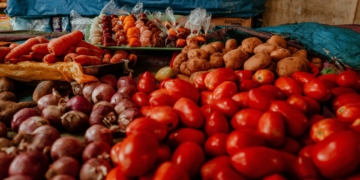
They mainly grow vegetables such as tomatoes, spinach, kale, Jerusalem artichoke and rainbow maize, along with fruit trees including tamarillos, pomegranates, figs and guavas. Herbs include turmeric, purple basil, lemongrass, basil, chamomile, rosemary, mint, celery, parsley, coriander and thyme.
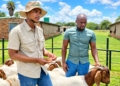
Their produce operation is integrated with rabbit farming, indigenous chickens and piggery. Their target market includes local residents, nearby schools and small grocery stores.

Community comes first
Mkhize explains to Food For Mzansi that when they planned their farm, they focused on organic practices. Although it is not always easy, he says they remain committed to this approach. “It not only benefits our health but also improves the soil over time.”
The couple also grows seedlings, which they sell at local farmers’ markets and directly to neighbours and community members. They plant throughout the year, although their busiest periods are during planting and harvest seasons.
“To manage the workload, we organise community workdays and enlist volunteers, making it a fun and collaborative experience.”
While they have made an impact with their business, they have been leasing the land inside Faranani Primary School under a 99-year lease agreement and a 10-year service-level agreement. Mkhize considers themselves lucky to have land in a protected area with fencing and water, although they hope to eventually own their own farm.
He adds that they sometimes face challenges such as drought or heavy rains, which can affect their crops. “To manage these, we use water conservation techniques and crop rotation to maintain soil health,” he explains.
“The climate here is warm with seasonal rains, and we have sandy loam soil. We adapt by selecting drought-resistant crops and improving soil quality through composting.”
Farming in the township also makes it easier for people to access their produce. “I was motivated by the desire to create food security for my community and the joy of growing healthy food,” Mkhize says.
He adds that he now especially enjoys seeing people come together and share the fruits of their labour.

Crops of change
Mkhize says their goal is to own and invest in their own land, where they plan to introduce more diverse and exotic crops. He intends to achieve this through continuous learning, networking, and drawing support from local initiatives.
He adds that attending agricultural workshops has helped them as a couple to learn from other farmers and consistently find solutions and guidance.
For now, he says, their focus is on reducing food insecurity in their area while empowering people to take charge of their own food sources.
ALSO READ: Cape couple cultivates thriving exotic mushroom business