High level dialogues have the potential to shape the trajectory of Africa’s agrifood system over this next decade, writes three specialists in food systems. Wandile Sihlobo, Lulama Traub and Edward Mabaya asks how global conversations can be internalised into systems.
The year 2021 was one of critical conversations about global agrifood systems – the processes and methods through which farming produces food. Following on the heels of the Covid-19 pandemic and a rise in global poverty, 2021 was a year for recovery and an urgent call to transform food systems if the world is to achieve the Sustainable Development Goals targets by 2030.

The United Nations Food System Summit in September was a call to action and a challenge to nations to build “transformed” food systems. It was followed by the development of the African Common Position.
This outlines how countries on the continent plan to heed that call and challenge. Then came COP26: sustainable, resilient agrifood solutions are, after all, key to mitigating the effects of climate change.
If commitments are met, these high level dialogues have the potential to shape the trajectory of Africa’s agrifood system over this next decade. But how can global conversations be internalised into systems? How does the continent build sustainable, resilient food markets? What roles do private sector actors and public policy-makers play?
As specialists in food systems keen to tackle these big questions, we’ve drawn on key findings from the African Agriculture Status Report and identified three salient features about Africa’s agrifood system.
These are that food demand is expected to increase; that African-based agribusinesses are investing; and, finally, that transforming the food industry will take time in light of persistent informality.
The commitments made on the global stage must now be followed through with policy and regulatory reform at national, regional and continental levels. Strategic investments are also needed, particularly to target choke points in the agrifood value chains.
We predict that the journey to transformation of the food industry will be long. It comes with many risks – and, for those who move first and well, high returns.
Rising demand, rising investment
Over the coming decade, sub-Saharan Africa’s food demand is projected to rise. This will make it one of world’s largest sources of additional demand, rising from 10% to 11% of total global calorie consumption by 2030. The continent’s food market is projected to reach a value of a staggering one trillion dollars by 2030.
Asia is another important food market which will be driven by the growing population. Studies show a potential rise in population and food demand. The difference with Africa’s projected demand, however, is that Asia will likely demand high value products because of relative improvement in incomes.

In Africa, people’s incomes will not rise at the same rate. So while people will demand more and better food, they will not necessarily be able to afford a more diversified, protein-rich diet.
This raises questions around the pace of the dietary transformation on the continent going forward. The “dietary transformation” trend is likely not very sustainable if gainful wage employment can’t be ensured.
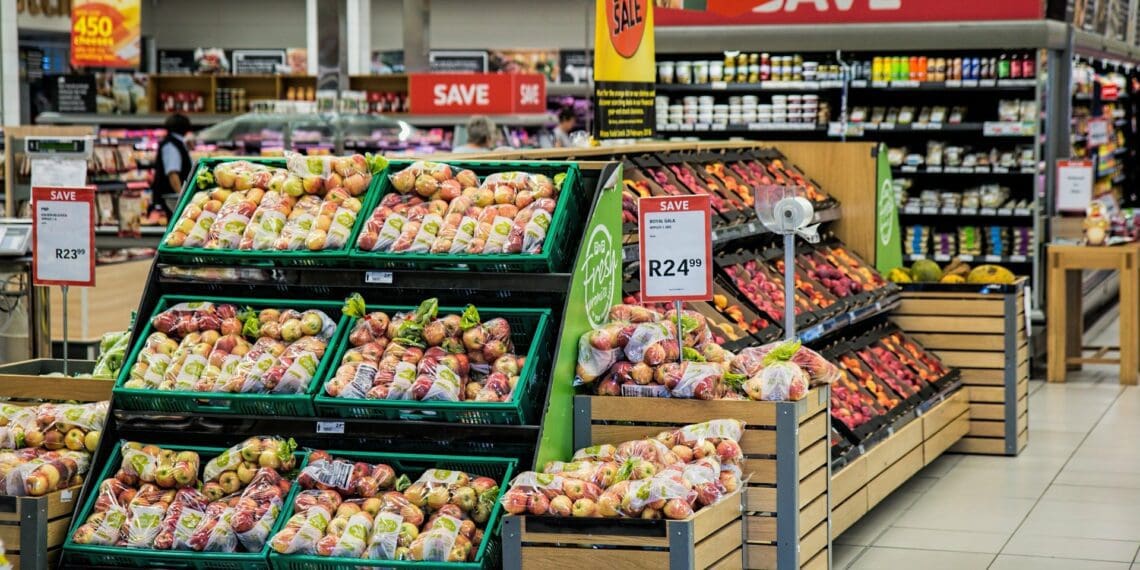
Despite this concern, it’s clear that agribusiness in Africa presents vast opportunities for private sector firms. African-owned business are already investing: between 2015 and 2020, the top three leading retail outlets in South Africa expanded their African footprint by increasing the number of outlets across the continent. One, Pick n Pay, has increased the total number of stores by 55% in the past five years, from 1,242 to 1,925.
Examining leading retailers’ annual reports, we can see that despite the uncertainty and disruption of the COVID-19 pandemic, companies were able to adapt by using digital platforms and new logistical models; this allowed them to expand their sales despite the disruption.
But this expansion of investment is not just occurring at the retail level. African-owned enterprises operating at all levels of the agrifood system are expanding their own footprint through increased investments in the sector. Many of the firms listed as the Food Business Africa Top 100 companies in 2020 are African-owned and have either entered into the food industry or expanded and diversified their operations over the past two decades.
ALSO READ: ‘Radical steps needed to transform food systems’
Informality
However, despite this evidence of emerging and growing small and medium enterprises, the journey to transforming the food industry will be long, particularly in the face of persisting informality.
Across all of the continent’s regions, except southern Africa, informal employment as a percentage of total employment in the agricultural and non-agricultural sector is above the global average of 64% for emerging and developing markets economies.
More than 80% of the continent’s population relies on open-air, largely informal markets for their food. Poor sanitary conditions in many of these markets raise concerns around food safety for households that depend on them.
If African countries are to ensure resilient and sustainable agrifood systems, they must upgrade food value chains by shifting production and employment from informal micro-enterprises to formal firms offering wage employment with income security and health benefits for employees. This will also ensure improvements in food safety within the system.
One example of this is an investment by the Rockefeller Foundation, in collaboration with the East African Grain Council, in Kenya’s Naivasha Smart Fish Market project. The aim is to provide an informal market with good quality infrastructure as a way of improving livelihoods and sanitary conditions.
Government responsibilities

There are three things that African governments can do to ensure the reality of the next decade lives up to the global commitments made in 2021.
First, governments must provide adequate public goods. That means hard infrastructure, like roads, public works and electricity, and soft infrastructure like capacity development, finance, data and information.
Second, they must effectively enforce national competition policy and anti-trust laws to level the playing field for all types of agri-food enterprises and minimise abuse of market power.
Finally, they must get out of the way. African governments should not overregulate the sector: this increases the costs of doing business especially for small, medium and micro-enterprises. Policies must also be predictable and based on solid technical research.
This article was written by Wandile Sihlobo, Lulama Ndibongo Traub and Edward Mabaya and originally published by The Conversation Africa.
ALSO READ: 5 reasons why small farms are key to food systems future
Sign up for Mzansi Today: Your daily take on the news and happenings from the agriculture value chain.