Smart shopping is not everyone’s strength, especially during the festive season when the house fills with visitors and hungry tummies. However, with the rising cost of food, there are ways to buy what you need while supporting Mzansi’s farmers and agripreneurs. And even farmers need tips on how to keep their family happy and festive without breaking the bank.
People mainly shop for meat and vegetables at this time of the year, and with that in mind, Qhawe Fadana, founder of Mhlekisa Farm in Haga Haga village on the Wild Coast, about 60 kilometres east of East London in the Eastern Cape, has noticed many different needs from her customers.
As a livestock farmer who also slaughters and grows a variety of crops, she says people come looking for different things. Some want a whole sheep, others want a whole pig, while some prefer only half.
“I made it easy for them. I now sell halves, trays and whole portions to meet each family’s needs.”

She says pumpkins, baby marrows, herbs, and all the other seasonal vegetables sell well, too. It is even easier for farmers who can deliver directly to their customers, she adds.
Homemade treats make summer stress-free
Mpho Nene from KwaNdebele in Mpumalanga says being a farmer means less shopping and more harvesting from her own garden. Her boys love meat, so they mostly shop for meat since they already have plenty of vegetables at home.
“We also have a booklet at Roots where we put in T500 every month from January. By December and the end of January, we do not struggle with festive groceries.”
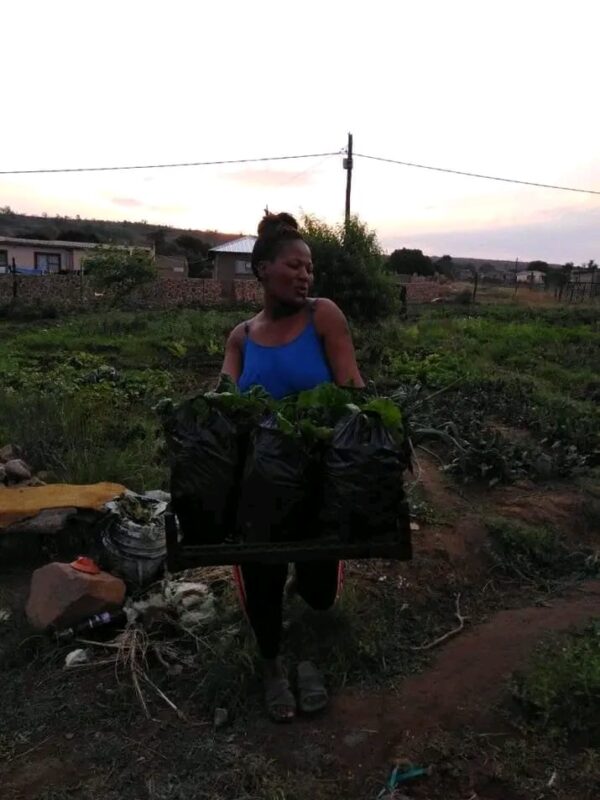
Nene says this system helps them stay stocked through January. She adds that with her vegetable sales, she offers mixed combos for customers who prefer buying in that style.
Related stories
- New CPI shows households struggle as food costs climb
- Respecting planetary boundaries protects SA food future
- Drone spraying cuts costs, boosts yields for KZN sugarcane co-op
- Red meat in SA: Culture, heritage, and celebration
Meanwhile, Siphokazi Ngqoba-Zatu, an entrepreneur in Graceland, Cape Town, says buying in bulk, especially fruit and vegetables, helps her family enjoy the festive season without limits. She says they have shifted to buying straight from the market, which makes bulk shopping more affordable.

Ngqoba-Zatu says this style of shopping helps them save more on snacks, since most of their treats are made at home using the vegetables they buy at the market. When it comes to meat, she prefers buying it for a week rather than keeping it in the fridge for too long, and she does the same with fresh vegetables to prevent spoilage.
She adds that she freezes what is suitable for freezing, and having peeled vegetables ready makes it easier to prepare quick meals at home.
And if the kids want a snack? “I encourage my kids to make their own ice pops and ice cream. Homemade popcorn also comes in handy for game nights.”
Budget-friendly holiday bites
The price of a food basket during the festive season can peak depending on location, economic conditions, and the nature of demand, says Vuyisanai Qhekeka, an agri-economist and agricultural advisor with the department of agriculture in the Eastern Cape.
He explains that these factors contribute to the challenges households face during this time of year, as rising prices can strain budgets and affect food security.
“Each household needs to strategise and shop smart when doing groceries during this season,” Qhekeka advises.
During this period, consumers can implement strategies such as creating a realistic budget, setting spending limits, and buying goods that have a long shelf life. They can also turn to indigenous alternatives, such as eating “umleqwa” for meat or harvesting vegetables from their backyard gardens.
“By doing so, South African consumers can enjoy a festive season full of cheer without a financial hangover.”
Vuyisani Qhekeka
Qhekeka emphasises that investing in local production can enhance supply chain resilience and ensure a more stable flow of goods. “Including local farmers in our shopping habits this festive season is crucial. It helps boost the local economy, creates jobs, promotes sustainability, and enhances food security.”

He notes that locally produced food may also offer better prices compared with imported products, which can be more expensive due to value-adding, transportation, and taxes.
“In the long run, locally produced food often provides better value because of its quality, environmental benefits, and lower cost.”
He adds that that quality can vary widely between locally made and imported products. While some imported goods may be excellent, others may be of lower quality to keep costs down.
Qhekeka’s practical tips for consumers:
- Grow vegetables in backyard gardens to avoid buying everything, especially during the festive season.
- Take advantage of pre-festive sales and promotions to avoid last-minute price surges.
- Review last year’s expenses to identify spending trends and set a realistic budget for this year.
By implementing these strategies, households can enjoy the festive season without overspending and also reduce food waste, adds Qhekeka.
READ NEXT: La Niña: Wetter summer calls for smarter water, soil management