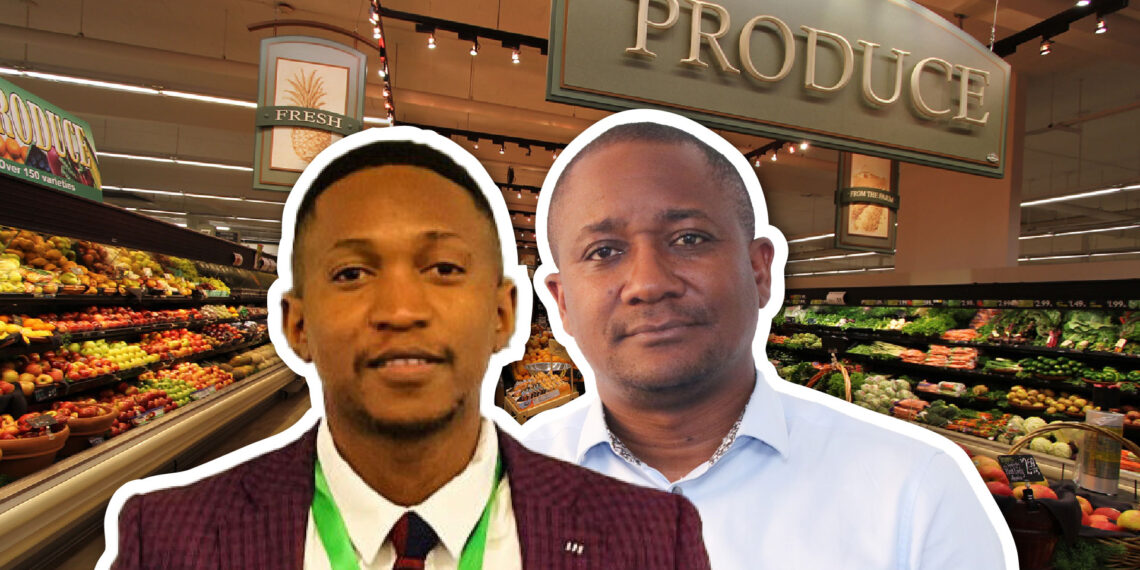
NAMC economists Thulani Ningi and Moses Lubinga unpack Stats SA’s updated CPI weights, revealing shifting spending habits and rising food costs. With inflation squeezing urban households, they call for smart policy moves to tackle price disparities.
On 28 January 2025, Statistics South Africa (Stats SA) unveiled the updated consumer price index (CPI) weights and basket compositions based on the 2022/2023 Income and Expenditure Survey (IES). These updates provide valuable insights into household spending patterns and inflation dynamics, shedding light on the economic realities faced by South Africans.
The CPI serves as a vital barometer for inflation, capturing the prices of a basket of goods and services consumed by households. Crucially, the weights assigned to these goods determine their relative influence on the overall inflation rate.
The latest updates shifted the reference period for CPI weights to 2023 and introduced a new basket with 391 products – from 396 in the previous version. Notably, 71 products were added, 53 were removed, and 29 were reclassified, reflecting significant changes in South Africans’ consumption habits.
Various organisations utilise the CPI and its data to analyse and simplify the statistics provided by Stats SA. The National Agricultural Marketing Council (NAMC) is one such entity, leveraging this data to better understand price trends for food and non-alcoholic beverages.
This information is then presented to the public and used to advise the minister of agriculture on critical aspects of consumer behaviour and food inflation. Both the income and expenditure data, as well as the CPI, are essential for shedding light on the interconnected nature of household consumption patterns and food price dynamics.
Financial strain on households
The updated CPI highlights a rise in the weight of food and non-alcoholic beverages (NAB), increasing from 17.14% to 18.23% of the total basket.
This shift underscores the growing burden of the cost of food on households, driven by notable increases in cereal products to 4.14% from 3.16%, and oils and fats from 0.45% to 0.82%. Meat remains the largest single contributor within this category, accounting for 5.10%.
The food price trends and updates are significant when analysed through the NAMC’s 28-item urban food basket. The NAMC’s food basket focuses on the most-consumed items by urban households, aligning closely with Stats SA’s findings that urban dwellers account for 81.5% of national consumption expenditure.
As food inflation persists, urban households are likely to feel the economic strain most acutely.
Related stories
- Export focus drives next phase of poultry master plan
- Regional agricultural trade rebounds as import bans end
Regional price disparities and policy implications
The Stats SA data also reveals price disparities between urban and rural areas for staple foods such as maize meal and bread, reflecting uneven economic pressures.
For policymakers, this underscores the importance of targeted interventions to protect vulnerable populations. Subsidies, expanded social support programmes, and the promotion of locally produced alternatives could help mitigate the impact of rising food prices while fostering food security.
The updated CPI weights and basket provide a deeper understanding of South African households’ spending patterns and inflationary pressures.
These insights enhance the relevance of the monthly food basket report, offering a vital tool for tracking inflation and guiding policy recommendations. By leveraging this data, stakeholders can better address economic inequalities and develop strategies to alleviate the burden of high food prices on South African households.
- Thulani Ningi and Moses Lubinga are economists at the National Agricultural Marketing Council (NAMC). The views and opinions expressed in this article are those of the author and do not necessarily reflect the views or positions of Food For Mzansi.
READ NEXT: Fruit Logistica: SA fresh produce to shine at global fair
Sign up for Mzansi Today: Your daily take on the news and happenings from the agriculture value chain