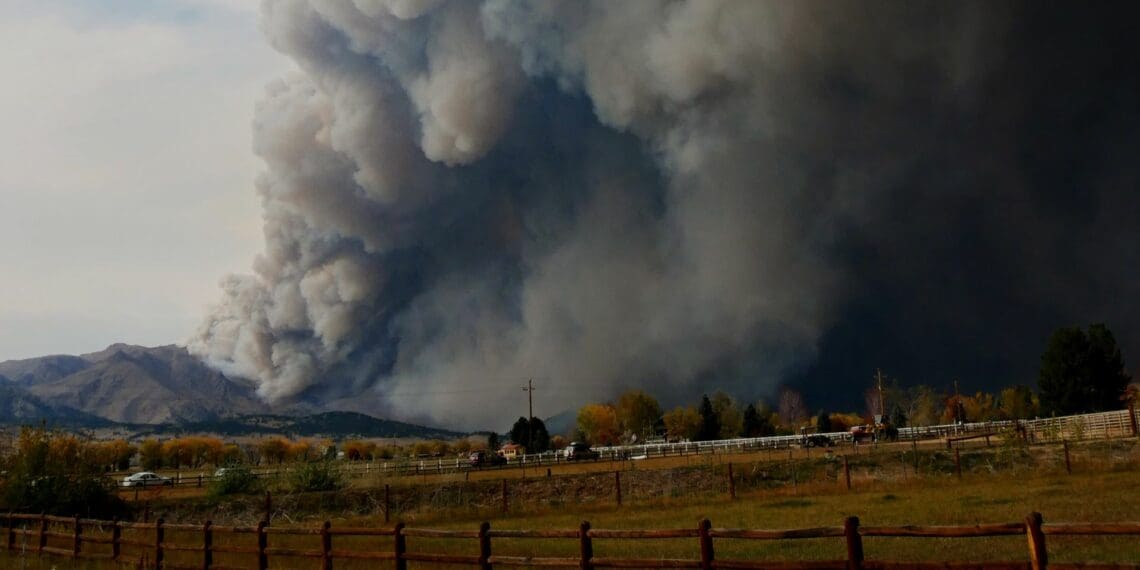
Yearly, thousands of hectares of land burn to ashes during the fire season in Mzansi. Communities and farmers remain severely impacted which means a long-term threat to food security is brewing if there is not a clear plan of action to combat ravaging fires.
Long-term effects are scary
The president of Agri Northern Cape, Willem Symington, said since the fires started in the province, 500 000 hectares of land have burned down, with 300 livestock dead and counting.
“This has had a serious impact on the Northern Cape and what we need to remember, is that the impact isn’t immediate but rather long-term on communities. This means that we have to build resilience and navigate these effects, not only for the farmers but for entire communities.
“The ripple effect of these fires also compels the farmers to purchase feed for their animals or ultimately sell their herd at a loss due to a weak market and related pressure,” he said.
According to Symington, to prevent and effectively fight the fire and protect the communities going forward, financial aid is desperately needed.
“Agri Northern Cape has urged the provincial and national government to acknowledge the urgency of this matter and to declare a state of disaster,” he said.
READ NEXT: ICYMI: NW govt finally answers farmers’ veld fires SOS call
Meanwhile, Working on Fire has said in September one area in North West, Ganyesa, experienced fires for nine days, which contributed significantly to 800 000 hectares of land that burnt in the province.
As of October, Working of Fire has attended 217 veld fires in the country, managing to extinguish 215 with weather patterns making things extremely difficult to manage.
Accountability is needed
A commercial farmer from Kuruman in the Northern Cape, Mooki Baitsiwe said farmers and community members need to take responsibility for the veld fires just as much as the government.
“Whenever we come across veld fires or after we have extinguished them there are trails of shoes or cars around, we have a strong belief that these veld fires are being started by people.
“We need to work together as stakeholders to see how we combat these blazes, they do not start by themselves,” he added.
North West Umbrella Fire Association Chairman Eric Stoch said veld fire season has always been a thorn for farmers in inland areas of the country, resulting in thousands of hectares burnt and money spent on recovery.
Stock said collaboration between themselves and the government is critical to ensure that veld fires are dealt with in the early stages before they could cause havoc to many communities, farmers and livelihoods.
“It appears that Mother Nature, the original pyrotechnic artist, missed the memo about the unilateral decision to close the fire season on October 31st. In her apparent confusion, she has unleashed a fiery response, manifesting in the current spate of fires and an alarmingly high fire danger index,” he said.
READ NEXT: Clanwilliam Dam extension set to create 70k agri jobs
The biggest this season
Meanwhile, Free State Agriculture commercial manager Jack Armour said the last big fire that took place was between Philippolis Fauresmith and burnt over 40 000 hectares, making it one of the biggest this season.

“The fire was very intense in well-vegetated bushy kloofs and mountain slopes particularly, and farmers should be careful of being caught off guard, not wearing personal protective equipment (PPE) because these fires can be dangerous to humans also,” he said.
Armour stressed that farmers should always keep an eye on weather updates and livestock farmers should keep their livestock in one area, to avoid large amounts of livestock being caught.
“It is good to have spare batteries. charger unit for radios and cellphones as communication is crucial when trying to fight a fire and coordination is crucial to protect yourself and the veld and animals that are burning. So, you must have access to water refill points,” he added.
No place for complacency
He advised that farmers should have their local Fire Protection Officer and Farmers Association Fire representative numbers to contact quickly in the case of an emergency.
Although South Africa has been experiencing rainy conditions, he suggested that the rain naturally helps reduce the risk when conditions are wet, but a few hot days and warm winds dry everything out quickly.
“The next frontal system with strong winds and lighting can easily spark the next event. So we can’t relax just because we have had some rain. We need to get things in order in preparation for the next high-danger event,” he said.
ALSO READ: ICYMI: Veld fires – lack of action remains a burning issue
Sign up for Mzansi Today: Your daily take on the news and happenings from the agriculture value chain.