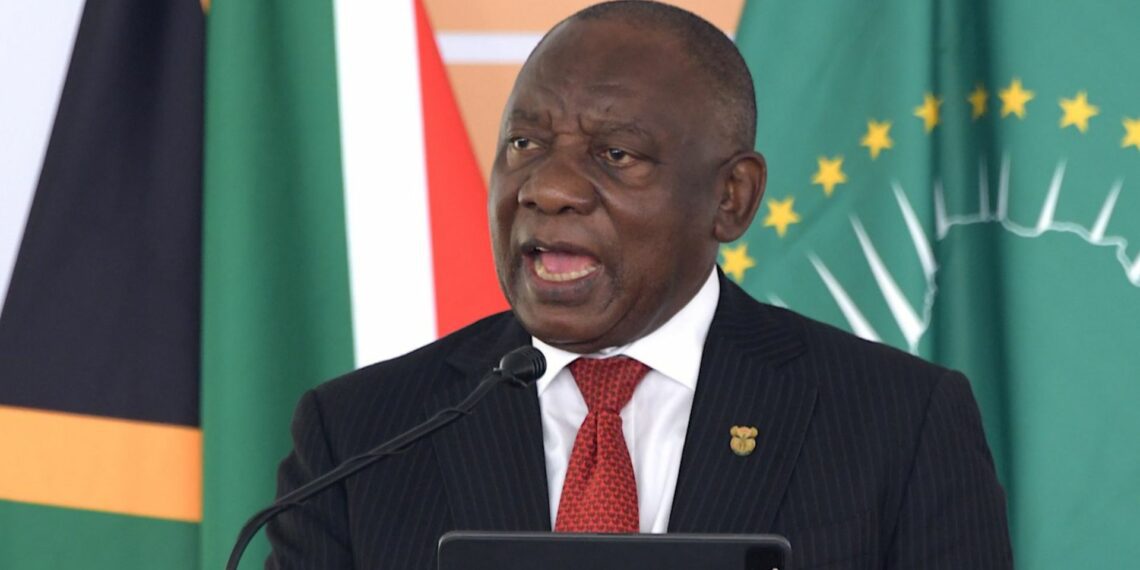
As President Cyril Ramaphosa prepares to deliver his tenth State of the Nation Address (Sona) on Thursday, 6 February, all eyes will be on what the government of national unity (GNU) has achieved and what they intends to do.
On top of the list of what Ramaphosa is expected to highlight will be the stability in the power utility, the Expropriation Act, and the Preservation and Development of Agricultural Land Act.
Ramaphosa has told his cabinet water is the next big item on his to-do list, urging his deputy Paul Mashatile and the ministry of water and sanitation to work around the clock to find solutions to water availability.
While the president will likely boast about achievements made by his new administration, farmers on the ground are not impressed with what they face on a day-to-day basis.
Value all farmers, commercial and small-scale
Free State maize farmer Reggie Nkambule said he does not expect much from the president’s Sona except the usual rhetoric regarding agriculture.
“We went through a very difficult period with the drought. There was no help at all for farmers, especially emerging farmers. We only saw cosmetics assistance for small-holding farmers in the townships being given food for animals. However, these farmers have no impact on food security except for their own subsistence hand-to-mouth farming.
“Top three things it is how he addresses transformation, especially related to the landscape of farming which is still mainly white commercial farming since the dawn of democracy in 1994,” he said.
Related stories
- President signs bill to preserve and develop agricultural land
- Sona 2024: Progress and pitfalls of Ramaphosa’s promises
Nkambule said he would be interested in knowing how the government would deal with the dumping of products from other countries which makes South Africa’s economy not sustainable.
Eastern Cape sheep farmer Eben du Plessis said he expects the president to clarify the Expropriation Act at Sona.
“Make sure that SA understands the value of commercial farmers, black and white, to the future of our country. We feed the nation and contribute largely to the economy, he should reassure the farmers that the act is not there to take agricultural land away from the taxpaying food producers.
“Restore investor confidence by making sure that the world understands we are not busy going down the route that neighbouring countries did,” he said.
GNU has to work together
Du Plessis expressed that the GNU has done a great job in the past six months by fighting corruption and appointing people with the correct skills and passion for the job.
“They have a lot of trust issues and need to sort out teething problems. The next year will be critical for us in terms of developing and improving our economy to help South Africans survive and build this great nation.”
Sheep farmer Eben du Plessis
Meanwhile, Llewellyn Louw, a poultry farmer from Jacobsdal in the Free State, said he would like the president to give tangible solutions to the growing unemployment, poverty and agricultural funding which is much-needed by small-scale farmers.
Another poultry farmer based in Warrenton in the Northern Cape, Nqobile Khumalo, said she is expecting programmes or policies that empower small-scale farmers such as access to funding, training, and markets farmers at the lower scale are in dire need of.
“Another key element I would like to hear from the president is plans that will help farmers adapt to climate change such as drought, heatwaves, and how to access help in navigating the complexity of the climate change as it hits us extremely hard at the development stage,” she said.
Livestock farmer from North West and deputy president of the Black Agricultural Commodities Federation, Mike Gcabo, said he would like to hear Ramaphosa speak about the government’s response to the report of the Competition Commission on fresh produce markets and what the government’s plans are to remedy the situation, and progress on land transformation.
Keeping each other in check
He said he does not believe that the government of national unity has worked thus far because of the different ideological perspectives of the different political parties.
“This has led to stifling decisions and sometimes led to confused or divergent announcements between ministers and sometimes their deputies. That said, the positive or potential positive that comes out of this is that there is more or better oversight or checks and balances amongst cabinet ministers and their deputies. It is a good thing as they keep each other in check,” he said.
READ NEXT: Land reform or land grab? Understanding SA’s Expropriation Act
Sign up for Mzansi Today: Your daily take on the news and happenings from the agriculture value chain