Shoulder to shoulder, African countries are working together to solve wildlife conservation problems and to grow the ecotourism sector by rewilding Africa. South Africa is pioneering the way forward.

It took a journey of more than 1 250km, supported by the Peace Parks Foundation, and was part of a larger ongoing effort to restock and rebuild key parks within the great Limpopo trans-frontier conservation area.
According to South African minister of environmental affairs, Barbara Creecy, the translocation of species between the parks is an important indication of how South Africa’s conservation success is contributing to the rewilding of Africa.
“The success of ongoing cross-border collaborations is an outstanding example of how African countries are working together to solve conservation problems and grow the ecotourism sector,” Creecy says.
SA’s wildlife promise to Africa
Since 2018, more than 700 animals have been translocated thanks to a donation from South Africa’s department of forestry, fisheries and the environment to the ministry of land and the environment in Mozambique.
This, following South Africa’s pledge to donate animals to Mozambique in a bid to create new ecosystems and restoring old national parks which have been depleted of wildlife.
“We are fortunate to have almost an over-abundance of animals in South Africa. It’s almost seen like a little bit of a reservoir for the rest of Africa,” says Lourens de Lange, operations coordinator of veterinary wildlife services at South African National Parks.
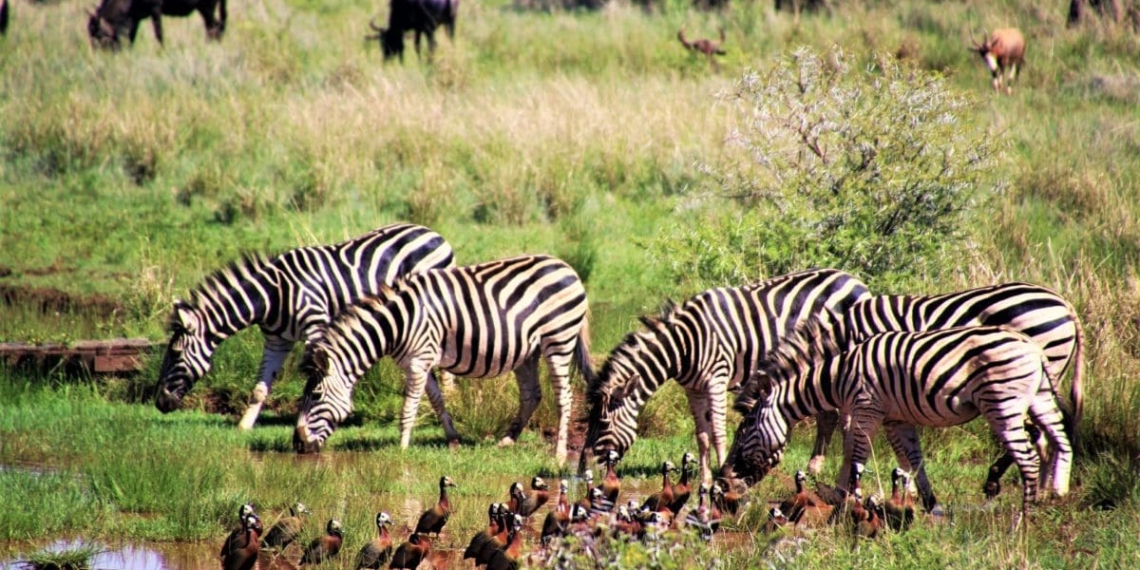
The Kruger National Park alone is well positioned to support the restoration of decimated protected areas in neighbouring Southern African countries. It has more than 147 mammal species thriving in abundant numbers as a result of many years of expert conservation management and protection strategies.
Building a prosperous future
Thriving in their safe and plentiful habitat, these reintroduced populations have more than doubled in numbers to close to 6 000 animals, the department points out.

ALSO READ: Prioritise national biodiversity policy, pleads SA Hunters
Sign up for Mzansi Today: Your daily take on the news and happenings from the agriculture value chain.