South African soybean farming could soon be booming into a 3 million tonne export industry. But that is only if the right infrastructure is put in place.
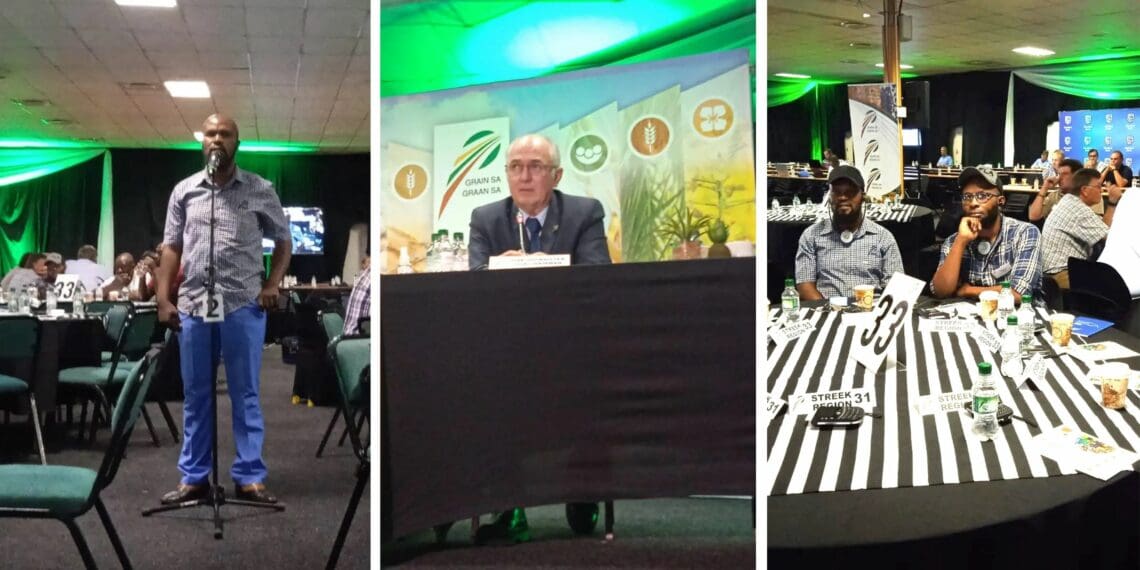
Ralf Küsel, chairperson of the sunflower and soybean study group at Grain SA, told delegates to the organisation’s annual congress that soya presents a great growth opportunity for the grain farmers of Mzansi. The annual congress is now in its second and final day in Bothaville in the Free State.
According to Stats SA, South African soybean exports amounted to 4.5 thousand metric tonnes in 2020-2021.
“The potential is there for the sector to grow,” said Küsel. :”Agriculture is the backbone of our economy. It is therefore the view of the study that infrastructure needs to be prioritised so that soybean farmers could flourish.”
He highlighted the promise of job creation in the sector, which could only be obtained once issues like transport are sorted out. “Soybeans have the potential to be a key exporter in South Africa [and] we as the study group are very excited about it.”
Department vows to address industry challenges
Meanwhile, a representative of the department of agriculture, land reform and rural development promised yesterday that challenges to the grain industry will be dealt with as government had set aside millions of rand to revive the economy through agriculture.
Chief director for inspection and quarantine services, Dipepeneneng Serage, said on behalf of the department that officials were committed to working with organised agriculture to ensure that the sector flourishes.

“It is [an] undisputed fact that, in all the food security challenges we have in the country, grain plays an integral part in the alleviation of poverty and ensuring that we do not run out of food in any way.
“We can report back to this congress that we are in the process of reviewing legislations on fertilisers because it is [regulated by] an old act which is not really helpful at the moment,” Serage said.
In an effort to eliminate a current backlog, the department is working on having separate registers for feed and fertilisers, Serage continued.
“We can also say… we have set aside R6.5 million for filling vacancies and eliminating bottlenecks and red tape, because we are aware of the backlogs that are happening, and we want to get rid of them. This is not a plan but something that we are implementing.”
Grain SA member Jozeph du Plessis emphasised that escalating input costs were a hindering aspect keeping the sector from growing.
“Considering the high fuel prices, high cost of fertilisers and poor infrastructure, farmers are struggling to be in business. We need to deal with these high costs now – not in the future but now – because they are a problem now and impact negatively on the sector.”
Government presence required at agri events
It was revealed by Serage that, by December this year, the department plans to have all its vacant technical advisors’ posts filled. He also assured delegates that remedies were developed for pest infections and that over 25 personnel were employed by the department to assist with pest control advice.
“We are innovating the registration of new products in the market for fertilisers so that the process of application can be a seamless one,” he continued.
Red tape will furthermore be removed so that farmers could focus on farming and not get stuck in tedious paperwork. This, he pointed out, took farmers away from their work of producing food for the country.
Re-elected Grain SA chairperson Derek Mathews asked that government be present in organised agriculture’s events more often so that concerns and challenges could be registered directly with them.
“We are open to government’s idea of public-private partnerships, but we need them to be available for us. We need to engage them,” he said.
“The issue of roads in the country, especially in the Free State, needs all of us to work together. Our farmers are willing to work and fix the roads because, at the end of the day, the costs of repairing come back to them,” he said.
Mathews highlighted farm attacks and vandalism as great concerns that lead to farmers having to hire security. This, because the security cluster in the country is not coming to the party to assist farmers, he pointed out.
ALSO READ: ‘Drop the silos,’ pleads Grain SA boss
Sign up for Mzansi Today: Your daily take on the news and happenings from the agriculture value chain