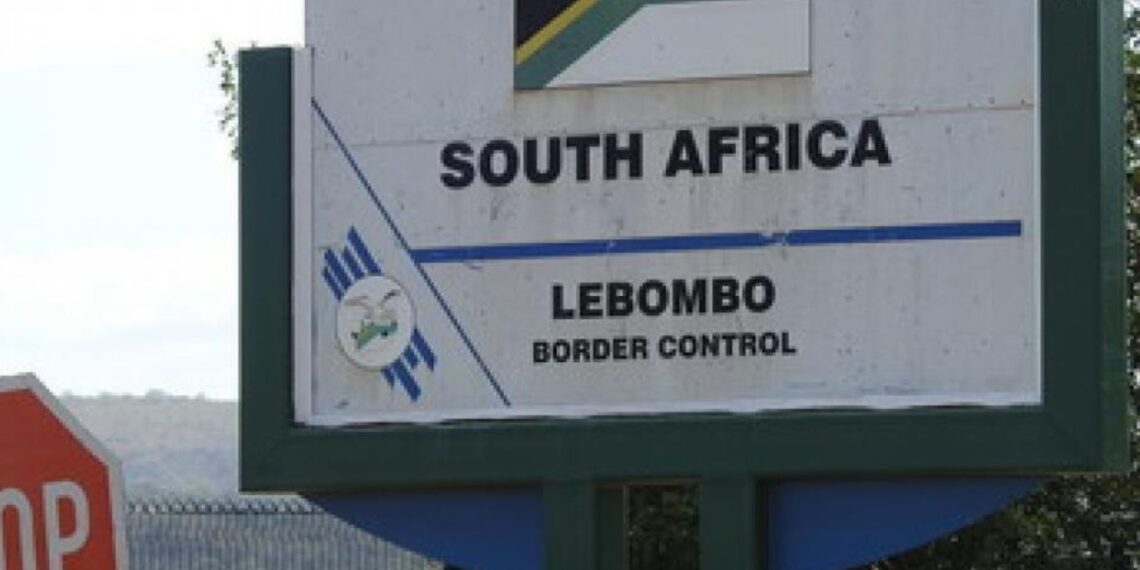
While dust seemed to have settled for now in Mozambique, food exporters and traders have been urged to secure their goods as the situation was still fragile and tense following the protests that led to the Lebombo/Ressano Garcia border near Komatipoort being closed for some time.
Following weeks of unrest in Mozambique, South African Border Management Authority commissioner Michael Masiapato said they had temporarily halted operations at the border as fresh protests started during the week.
Farmer and National African Farmers Union (Nafu) Mpumalanga president Jabu Mahlangu said it was comforting that the situation was starting to get under control as they have members who trade between the two countries. However, he warned that a proactive approach to delivering food and other essential products was needed to avoid a crisis.
Authorities on high alert as trading resumes
“There are traders between the two countries that cross the border on a daily basis, trading with perishable goods. Once such goods are affected by prolonged levels of heat, they lose their potency and affect their nutrients, health and profitability,” he said.
Mahlangu remarked that farmers and traders need to find proactive ways to mitigate these kinds of unforeseen and unavoidable occurrences within and across borders.
He called on the Southern African Development Community (SADC) and the African Union (AU) leadership to engage party leaders in the neighbouring country to find lasting solutions to the current impasse as sectors like agriculture are affected negatively by these incidents.
Meanwhile, the chief executive officer of the Road Freight Association, Gavin Kelly, said they are monitoring the situation and they would inform their members should there be any development.
Related stories
- Mpumalanga, Mozambique bolster agri ties
- Agritech funding in Africa stabilises at $1.5 billion since 2014
- Fairtrade certification unlocks new markets for SA farmers
“Operations at Lebombo border post have normalised, trucks, passenger vehicles, and pedestrians are able to cross the border. Most importantly for us and our members, transport has resumed, [and] long lines at the border have disappeared. The authorities have done a sterling job of reducing the [number of] trucks waiting at the border.
“There are still challenges in Mozambique in terms of populists not being happy with the elections that took place. There are warnings that there could be a resurgence of protests and violence, however, the police and military are on high alert looking at the corridors from the border to Maputo because of the exports,” Kelly explained.
He said they are hopeful that what occurred a few weeks ago will not repeat itself and that normality will return in the country.
Long-term ripple effect
According to the chief executive of the Southern Africa Association of Freight Forwarders, Juanita Maree, the geopolitical conflict in Mozambique comes at a very delicate time for South Africa when logistics and the supply chain are under pressure from several other disruptive challenges.
“South Africa’s business sector has voiced concern over the Southern Africa Development Community’s (SADC) slow response, calling on member states to move immediately into a leadership position as mediators to restore law and order and stabilise trade operations,” Maree said.
She noted that it would take time for traffic to and from the Port of Maputo to stabilise and restore to previous volumes.
“The loss of important infrastructure servicing trade and transport on the corridor will be felt for many months and even years and places government coffers under enormous pressure for rebuilding and repairs to infrastructure, and replacement of essential equipment.
“Many essential jobs are now at risk, while the ripple effects for informal, small and medium businesses will be felt for some time. Business will limp forward into an uncertain future after this troubled, disruptive period,” she cautioned.
Trade and transport corridor specialist Barbara Mommen said Maputo has long been a vital port for regional and international trade, growing significantly in importance over the last 15 to 20 years as a successful public-private concessionary.
READ NEXT: Phumelela Dairy rises from the ashes of Estina
Sign up for Mzansi Today: Your daily take on the news and happenings from the agriculture value chain