Small-scale livestock farmers on municipal common land in Upington, Northern Cape, are struggling with a desperate water shortage. Their kraals and grazing areas lie in this hot, arid town just south of the Kalahari desert.
The Hondejag commonage lies between the townships of Rosedale and Paballelo. It is owned by the Dawid Kruiper Municipality, and according to draft municipal policy, which dates from 2022, it is intended for the “empowerment of emerging farmers within the municipal area” and the “alleviation of poverty by making land available to poor residents”.
This policy has yet to be implemented.
Farmers battling for water
Little grows on the sandy plains, and most of the 80 or so farmers on the commonage do not have access to water at their kraals for sheep, goats, and cattle. There are communal water tanks supplied by the municipality, but the farmers say there is little water in the tanks.
André van Wyk, who farms on the Rosedale side of the commonage, said that the pressure in the water tanks is very low, and water only dribbles out, if at all. It is worst on hot days, he said.
“We are dependent on the vegetation,” he said.
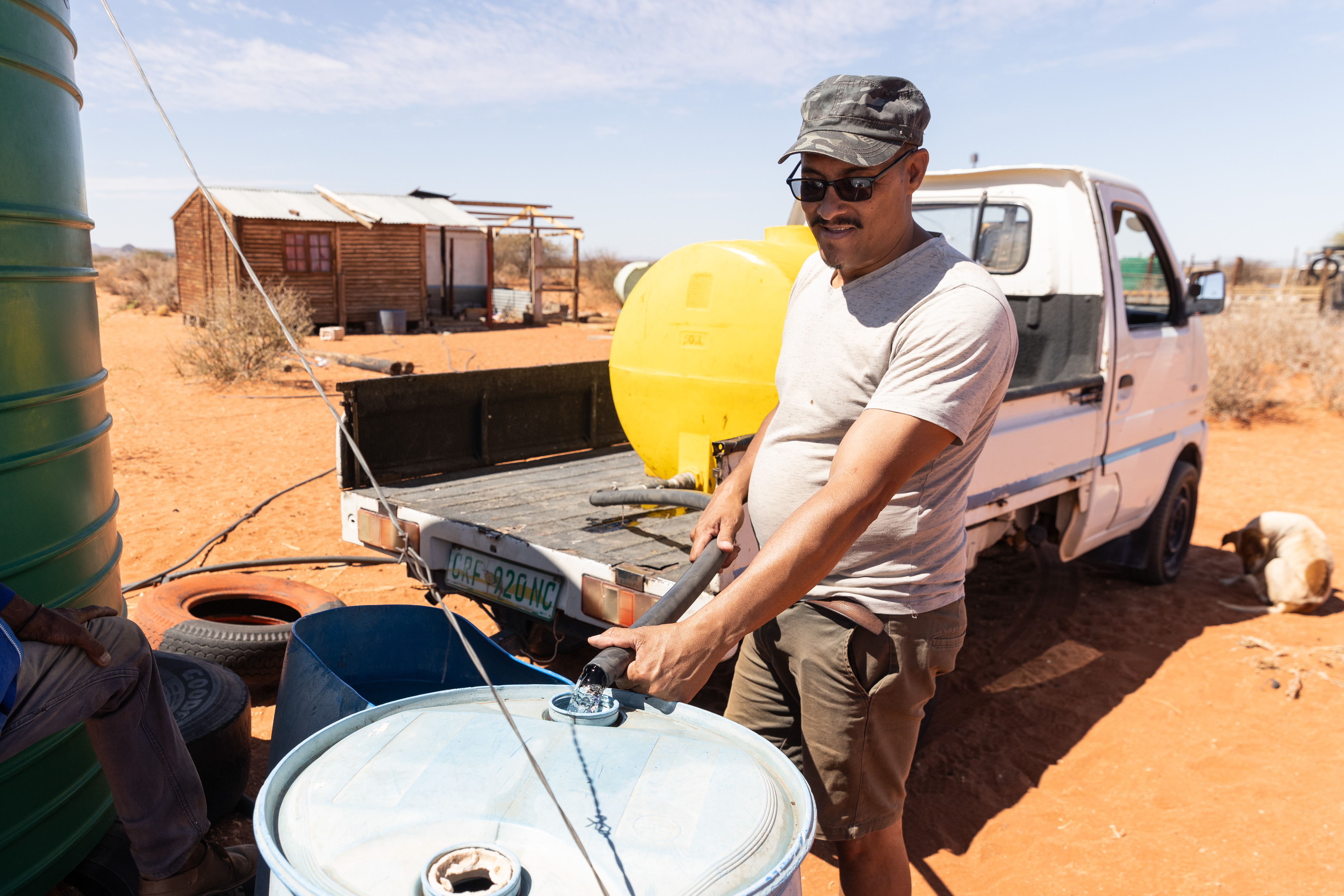
André van Wyk fills his tank with water that he had to fetch from home. He said that water pressure is very low. Photo: Supplied/Ashraf Hendricks
Farmers have resorted to fetching water from their homes and carting it daily with their trucks to their thirsty livestock.
Rosedale farmers are also battling frequent livestock theft. There is no fencing.
Carl Stevens says he lost about 64 of his livestock in January. They were either stolen or just lost, said Stevens. “My heart is sore.”
Farmer Frankie Koopman wondered how the municipality expected them to farm enough to export and make a livelihood. “It is any person’s desire to make your farming successful, so it can provide for you. No one wants to farm just for the sake of it,” he said.
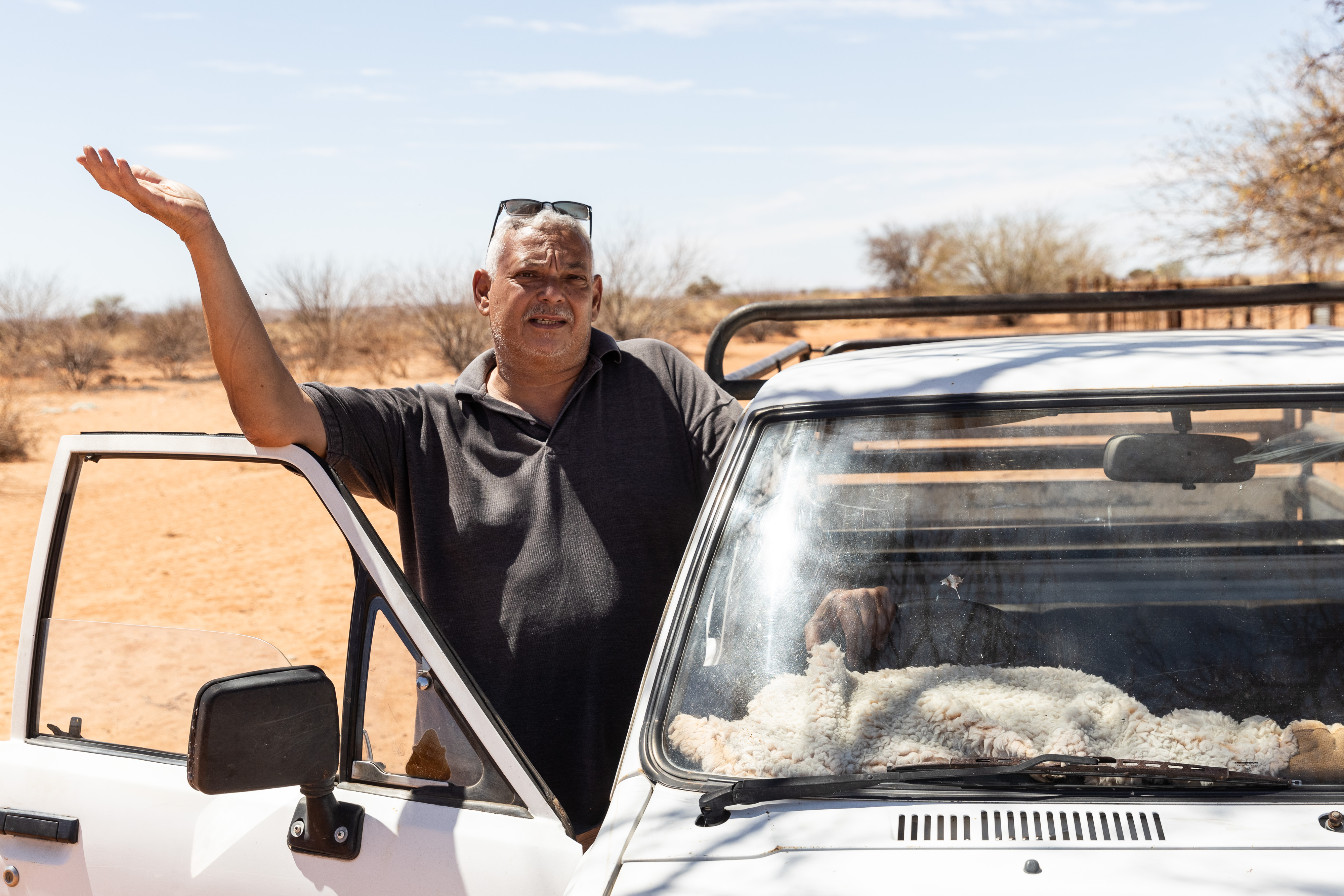
Carl Stevens said that over 60 of his livestock were either stolen or lost in January. Photo: Ashraf Hendricks
On the Paballelo side, farmers’ kraals are lined up next to one another and they are cramped. When the farmers were moved here they were told it was only temporary. That was in 2013.
Livestock have no grazing land
“Look at how many people are here. There is no grazing here anymore. It is very cramped. There is nothing here anymore,” said farmer Paulina September.
Overgrazing and lack of water makes it difficult for the emerging farmers to feed their livestock. Yet they pay a fee to the municipality for each animal for use of the commonage.
“For eight months I haven’t had water here. There is no water,” said farmer Mangaliso Mashiyi. “Can they not take us somewhere where there is wetter ground?”
Mashiyi said the day they have access to water, they will have no trouble paying their bills.
Related stories
- Court slams municipality with R160m fine for polluting water
- Lesotho Highlands shutdown: Govt assures sufficient water supply
- Smarter water management key to successful farming
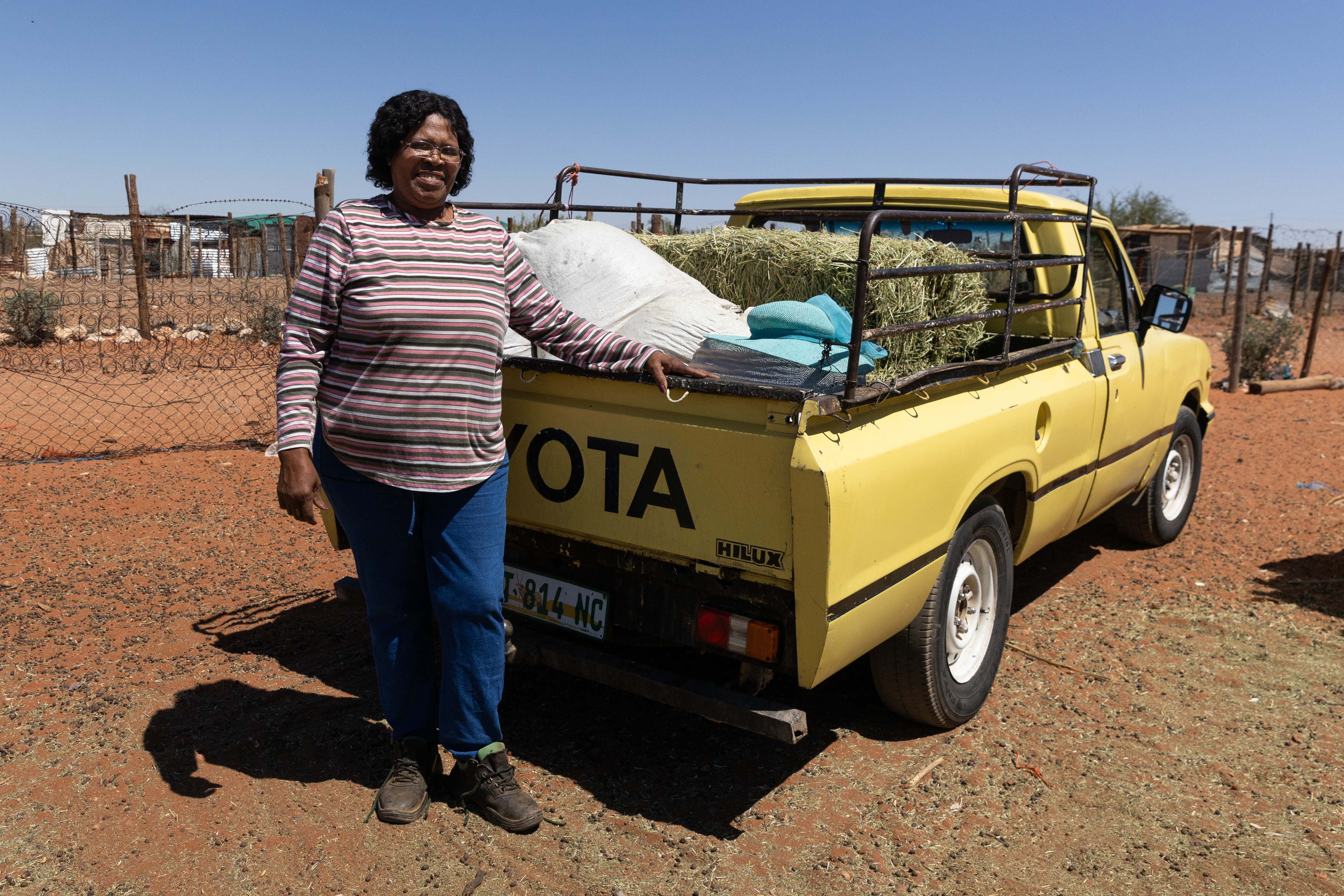
Maria Lankalebalela has to transport bales of feed as there isn’t enough food for the animals to graze on. She says that she is also struggling with access to water. Photo: Supplied/Ashraf Hendricks
Aaron Ranayeke, a representative of the small-scale farmers at the Trust for Community Outreach and Education, said the draft commonage policy from 2022 would give the farmers more power to make decisions about the land. But the municipality had delayed implementing it.
“The municipality is running away from that power,” said Ranayeke.
The draft policy sets out a framework for the management of the commonage through a “Commonage Committee”. It is to consist of commonage users, representatives of the municipality and the departments of agriculture, water and SAPS. This committee will make recommendations to the municipal council.
Every commonage is also to have a management committee with emerging farmers as members. The management committee would be responsible for managing the commonage and reporting to the Commonage Committee.
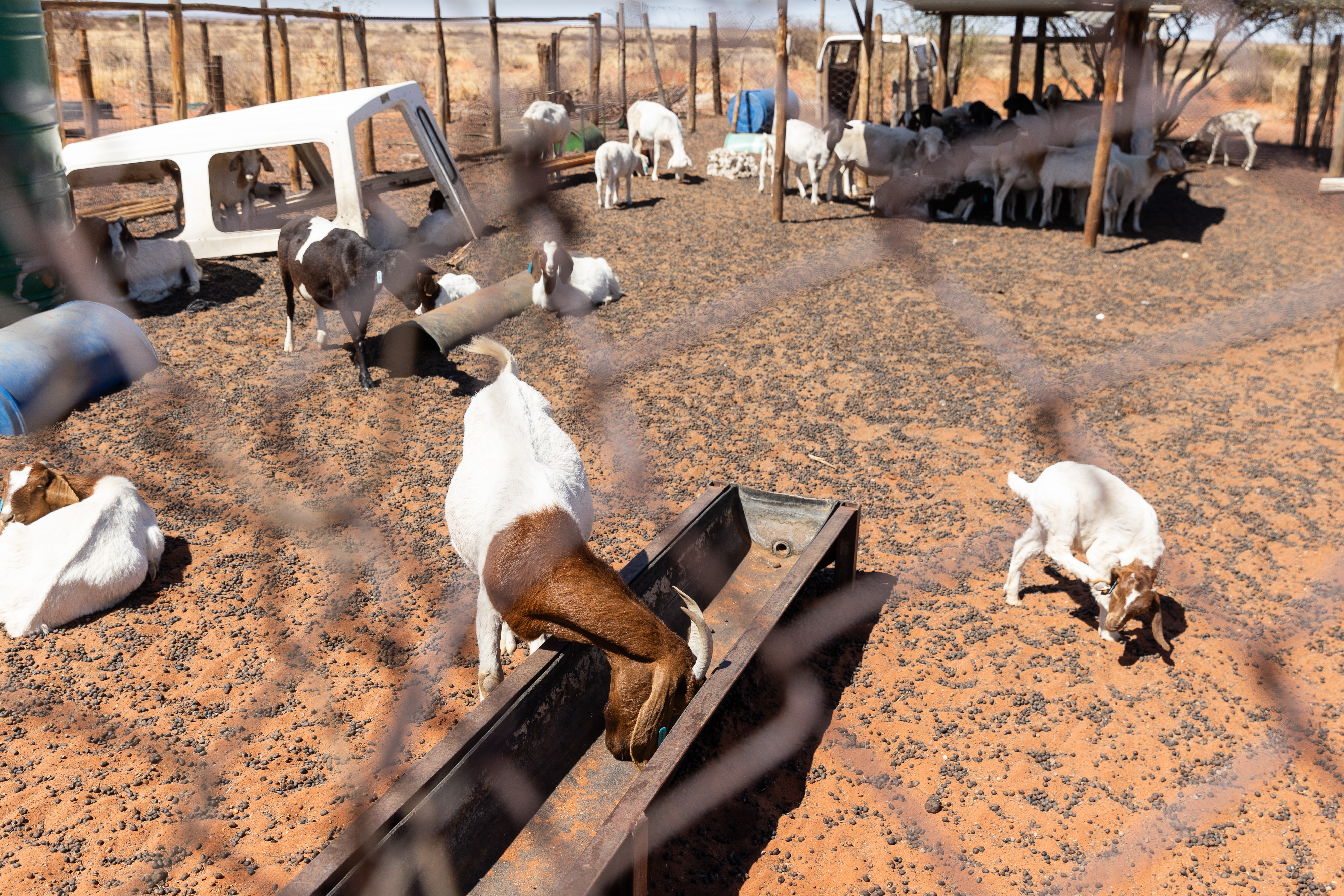
There isn’t always water available for the animals when they return from grazing in the field. Photo: Ashraf Hendricks
Government pointing fingers at each other
The acting district manager of the Northern Cape Department of Agriculture’s directorate for Agricultural Producer Support and Development, Andres Majaja, said that the management of the commonage is the “sole responsibility” of the Dawid Kruiper Local Municipality.
Majaja said the last commonage committee meeting for Dawid Kruiper Municipality was held on 14 February 2014. A meeting to revive the Commonage Committee was held on the 19 September 2024, but only two farmers attended the meeting, and “the meeting didn’t reach a desired outcome”.
He said the reason the meeting was badly attended was because the municipality had postponed meetings with the farmers so many times.
Another meeting, where farmers were due to address the council, was cancelled. The farmers were told this when they arrived at the municipal buildings.
Majaja said the fees farmers are paying to the municipality are for the use of grazing. The funds should be applied to maintain fences and stock water systems on commonage farms.
“On municipal grazing land, there are no sustainable agricultural management practices followed, and these grazing areas tend to be the first to show signs of drought when conditions are unfavourable,” he said.
Dawid Kruiper municipality spokesperson Patrick Williams promised to respond to GroundUp’s questions but had not done so at the time of publication, despite numerous follow-ups.
- This story was first published on Groundup.
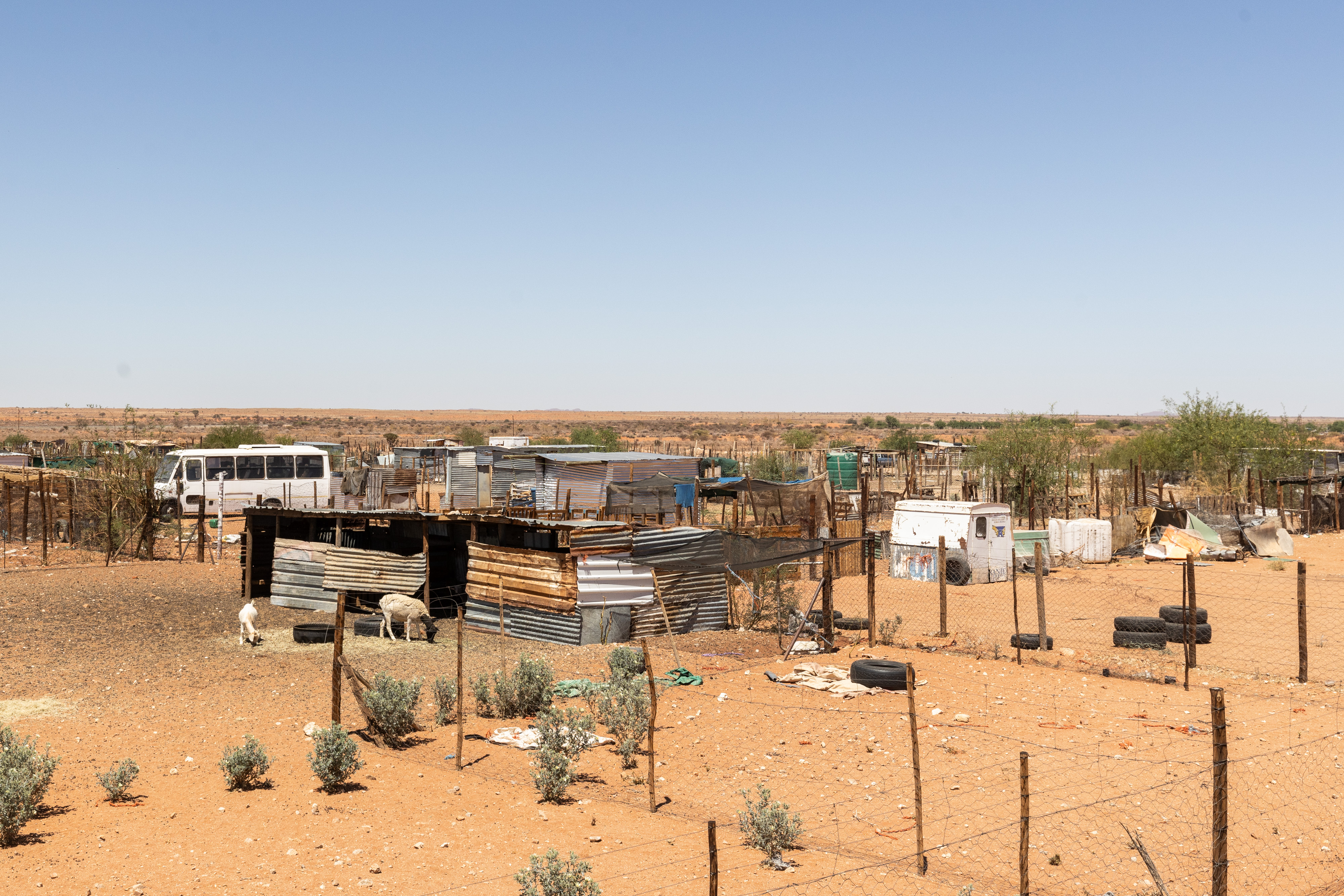
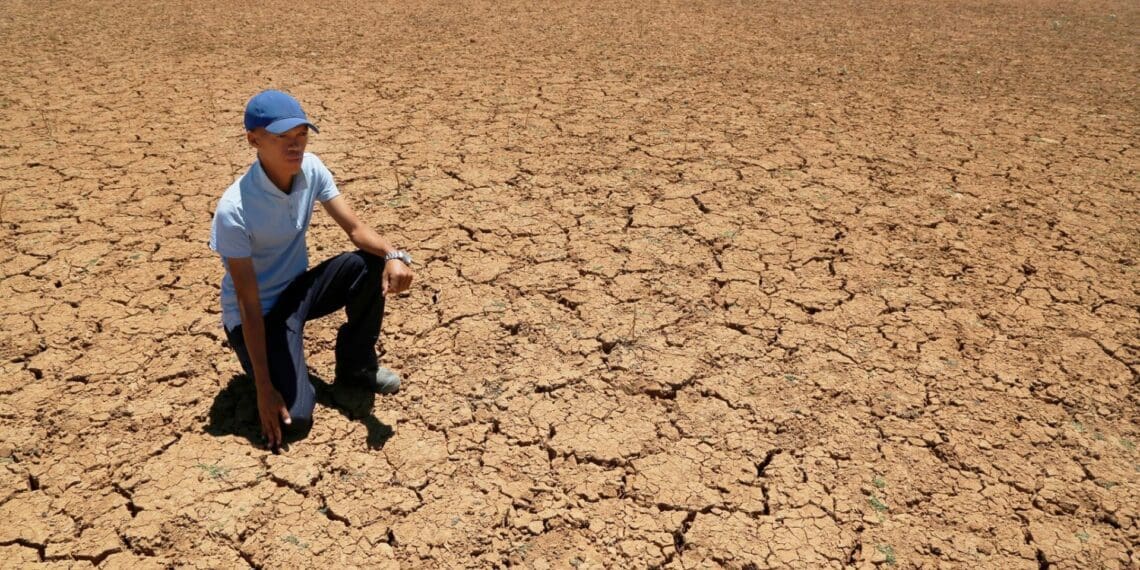
About 80 small-scale farmers live on commonage land in Upington. The area is hot with very little rain. Photo: Supplied/Ashraf Hendricks
READ NEXT: Animal technology graduates step up to secure SA’s biosecurity
Sign up for Mzansi Today: Your daily take on the news and happenings from the agriculture value chain