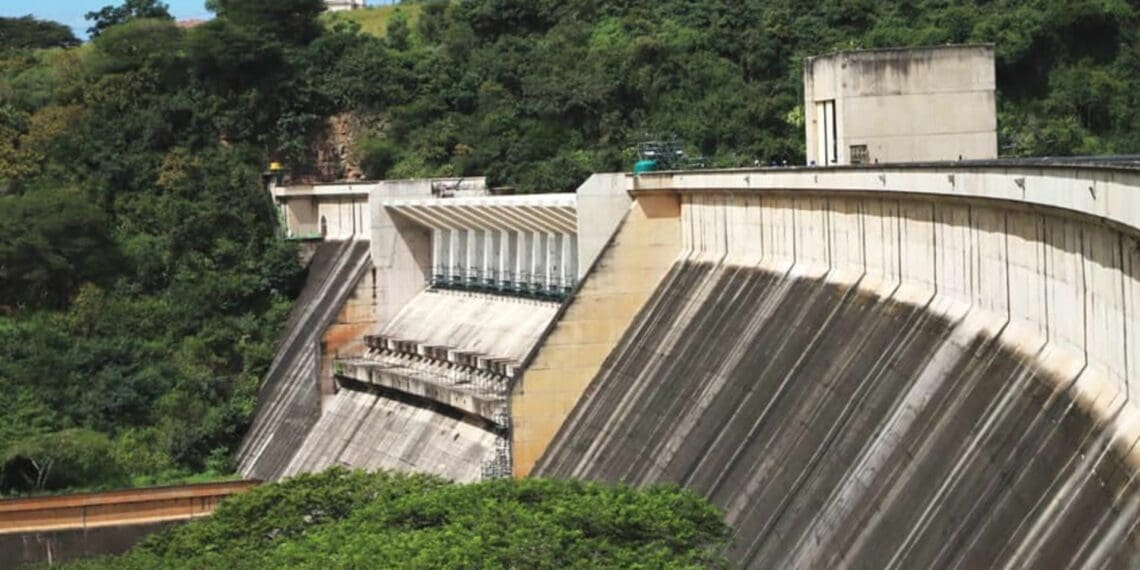
The South African government has allocated R42 billion for the second phase of the Lesotho Highlands Water Project to supply additional water to Gauteng and the Free State.
According to the department of water and sanitation, planned maintenance operation entails general inspection and repair work to ensure the integrity and reliability of the entire water tunnel system. The Lesotho Highlands Water Project Tunnel has been closed for maintenance since October this year and is expected to continue until March 2025.
“It will ensure that the tunnel continues to operate effectively in the long term, supplying water to parts of the Free
State and to Gauteng.
“Engagements with the two provincial governments and affected municipalities of Nketoane, Mfube and Dihlabeng were done in this regard,” the department said in a statement.
Water access a priority
Farmers and community members have complained about the lack of water, especially in the Free State.
“The department has established the War Room to oversee the implementation of the shutdown and communication as a tool to raise awareness and to educate the public about water security issues.
“We wish to assure all citizens in affected municipalities that there is sufficient water storage for the next six months and that they will continue to have access to water during the entire shutdown period,” the department said.
The department said they are prepared for the six-month shutdown and plans are in place to deal with all challenges that may occur. They called on communities to work with them and municipalities to find solutions should there be problems.
Related stories
- TLU calls for action as GP’s water crisis nears disaster
- Smarter water management key to successful farming
- Why water quality in agricultural irrigation matters
“Specific work has already taken place, which include the upgrading of water treatment works, upgrading of raw water pumps, construction of new water reservoirs and the drilling and equipping of boreholes,” the department said.
Meanwhile, Free State Agriculture commercial manager Jack Armour said farmers were informed over two years ago of the planned scheduled maintenance and have accordingly planted for normal rainfall and not irrigation spacing and fertilisation.
“We have monthly meetings, and if there is a crisis, we refer it to the weekly joined organising committee at Bethlehem.”
Minor challenges thus far
“The only issue we had was a farmer who had enforcement inspectors on his farm when he was mistakenly irrigating outside of the regulations, which he misinterpreted,” he said.
Armour said to rectify the matter, they quickly checked for the correct interpretation with the department of water and sanitation and communicated accordingly.
“In the past weeks into the shutdown, there were four towns reporting water delivery problems to their residents,” he said.
On the quality of water in the country, the department said it has previously assessed all municipal wastewater systems in 2021, and the publications of the Green Drop Report in 2022 and the progress report in December 2023 have revealed the poor state of wastewater treatment systems which have resulted in the presence of sewage in the streets, rivers and dams.
“Through its water use compliance, monitoring and enforcement directorate, it will continue to strengthen its regulatory function and make regulatory actions more consistent to ensure that municipalities address the problem of pollution to the country’s water courses,” the department stated.
READ NEXT: Phumelela Dairy rises from the ashes of Estina
Sign up for Mzansi Today: Your daily take on the news and happenings from the agriculture value chain