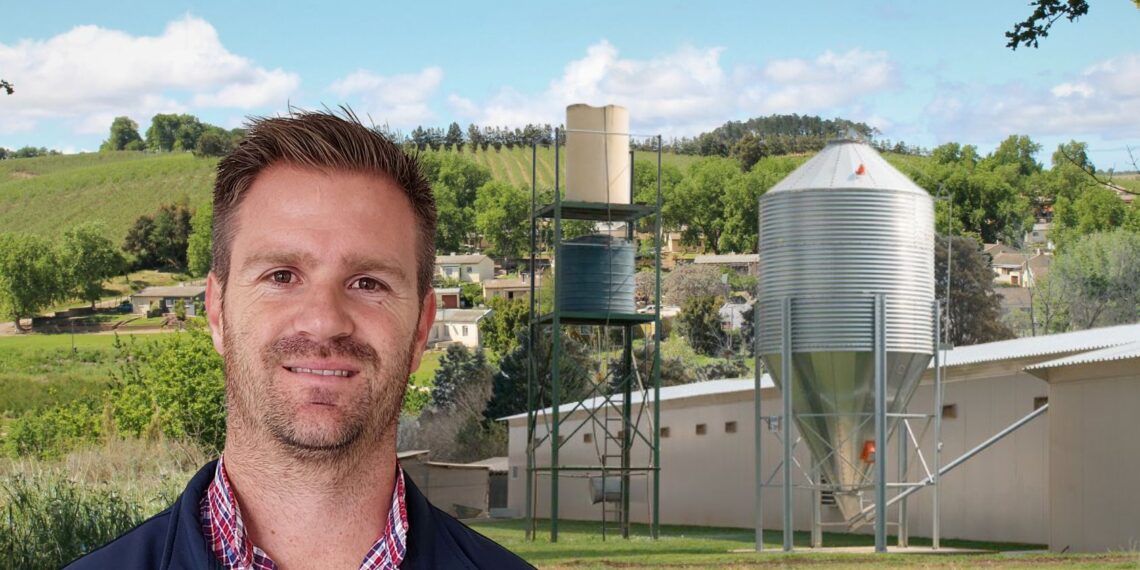
Tough terrain, remote locations, and unpredictable weather don’t stop farming – and they shouldn’t stop infrastructure. Zharn-Pierre Nel, branch manager at Waco Modular, explains how modular infrastructure is changing how farms scale during planting and harvesting seasons.
South Africa’s agricultural sector is one of the country’s biggest contributors to both food security and job creation, employing over 950 000 people. But every year, especially in remote or rural areas, many farming operations face the challenge of how to scale their infrastructure quickly and affordably during the planting and harvesting seasons.
Traditional brick-and-mortar construction is not always practical in these situations. Time, accessibility, and cost are non-negotiable during peak periods, and that is where modular infrastructure is reshaping the agricultural landscape. It offers fast, flexible, and reliable solutions that can adapt to modern farming.
Building agility into agriculture
Modular buildings are designed for rapid deployment. Manufactured off-site in controlled environments, these units can be transported and installed in a matter of days or weeks, ensuring minimal disruption to farm operations.
Modular infrastructure also adds long-term value. These units can be relocated, repurposed, or expanded between seasons. What might start as worker accommodation in harvest season could be converted into storage space or a training facility in the off-season.
Solutions built for rural realities
Farming often takes place in tough environments, where unpredictable weather, challenging terrain, and remote locations complicate traditional construction projects. Modular buildings are designed for these realities. They are durable, low-maintenance, and require minimal site preparation, making them perfect for installation wherever they are needed most.
The most in-demand modular solutions in the agricultural space include:
- Temporary and permanent worker accommodation
- Cold storage and produce warehousing
- Mobile clinics and administrative offices
- Sanitation and ablution facilities
- Maintenance and machinery workshops
Not only do these solutions meet immediate operational needs, but they also build long-term business resilience, with many units designed for easy relocation and reconfiguration as operations grow.
Related stories
- Agro-processing fundamentals from the fruit industry
- How to use technology to fight farm security challenges
Investing in worker well-being and productivity
While meeting operational demands is top of mind during peak seasons, worker well-being is equally important. Quality accommodation with climate control, proper sanitation, access to healthcare services, and communal spaces can make a big difference to workforce morale and productivity.
Farms that invest in temporary infrastructure report better staff retention and higher productivity during their busiest times of the year. A comfortable, safe, and supportive environment encourages seasonal workers to come back year after year, reducing recruitment challenges and ensuring smoother operations.
A sustainable, future-ready approach
Modular infrastructure is not just about speed and flexibility; it is also a more sustainable, cost-effective way to scale infrastructure. By reducing on-site build times, labour, and material waste, modular solutions fit with the growing emphasis on environmental responsibility in modern agriculture.
Units now include innovations such as eco-friendly building materials, solar-ready options, and cold storage units equipped with smart climate monitoring. Quick-connect utility systems make it possible to deliver reliable infrastructure to even the most remote locations, helping farmers improve operational efficiency while reducing their environmental footprint.
Another key advantage of modular infrastructure is its adaptability. A dormitory that houses workers during harvest season can be converted into a storage facility or maintenance workshop once the season ends, ensuring assets continue to deliver value long after their initial purpose has been fulfilled.
A sector embracing change
The agricultural sector is embracing infrastructure solutions that offer flexibility, speed, and cost-efficiency. Modular infrastructure has already demonstrated its ability to meet these demands, enabling farms to scale with the seasons, improve worker safety, and remain competitive in a resource-intensive industry.
As agriculture continues to evolve and adapt to new operational and environmental pressures, innovative infrastructure solutions like modular buildings will play an important role. It is a practical, future-ready approach that helps farming businesses stay productive, whatever the season.
- Zharn-Pierre Nel is the branch manager at Waco Modular. The views and opinions expressed in this article are those of the author and do not necessarily reflect the views or positions of Food For Mzansi.
READ NEXT: How technology empowers farmers to access finance