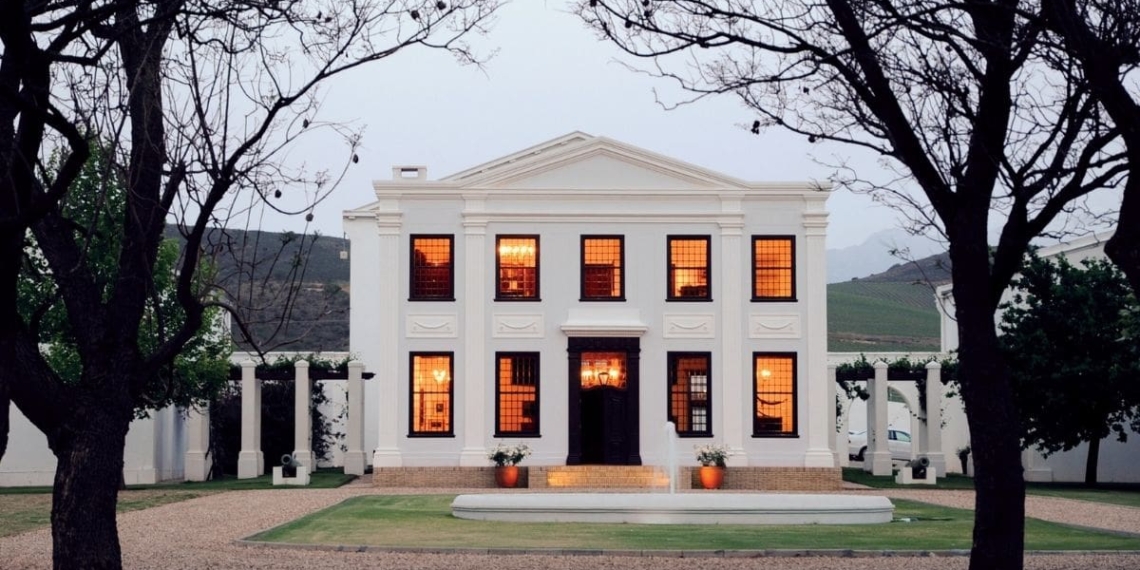
De Wetshof Estate in Robertson is the first recipient of the WWF Conservation Pioneer Award, one of the accolades under the prestigious Great Wine Capitals Best of Wine Tourism and Wine Tourism Ambassador Awards.
These awards, for 2022, were announced this week at Creation Winery in the Hemel-en-Aarde Valley.
Sponsored by the World Wide Fund for Nature (WWF), the Conservation Pioneer Award intends to emphasise the critical role of eco- and social sustainability in the development and execution of a new generation of relevant and appealing competitive travel offerings.
Sustainability in the wine industry
De Wetshof Estate, situated in the Robertson Wine Valley some 160km east of Cape Town, is not only a world-famous wine farm, but has over three generations of ownership under the De Wet family and has been a leader of conservation and sustainability in the South African wine industry.

The estate is now one of the 50 Cape wineries who are members of the WWF Conservation Champions initiative. It is overseen by the WWF to recognise wine farms implementing exemplary programmes committed to conserving the flora and fauna on and surrounding their wine farms. It also recognises their active involvement in producing wines to credentials underscoring sustainability in general.
According to Shelly Fuller, WWF South Africa’s sustainable programme manager for fruit and wine, De Wetshof is a truly worthy recipient of the first WWF Conservation Pioneer Award.
“De Wetshof lies in the magnificent Robertson Valley dissected by the Breede River and home to numerous indigenous species of flora and fauna,” says Fuller.
“The ethos of the De Wet family, who have been farming there for over 70 years, has ensured that conserving this natural paradise receives as much attention as De Wetshof’s world-renowned wine-farming activities.
“The farm was one of the first Cape wine farms to, in 2005, be officially recognised for these conservation efforts when the former Biodiversity and Wine Initiative was launched.
“Since the WWF’s involvement in recognising and collaborating with conservation-minded wine farms through the WWF Conservation Champions programme, De Wetshof has been an exemplary Conservation Champion and is always finding ways to improve its profile as a pioneering wine farm in terms of conservation and sustainability.”
Annual assessments
The symbiotic relationship between viticulture and the world-famous Cape Floral Kingdom is illustrated on various of the wine farms that are members of the WWF Conservation Champions programme. The unique working relationship between the farmers and the WWF is aimed at conserving the natural environment of the Western Cape winelands.
The 50 farmers who are WWF Conservation Champions own some 45 000ha of land between them, of which 22 000ha is conserved as a pristine part of the world-famous Cape Floral Kingdom comprising fynbos and succulent Karoo plants.
These members work closely with the WWF in their conservation endeavours, undertaking annual assessments to ensure they meet the specifications required of a Conservation Champion.

Johann de Wet, CEO of De Wetshof, says receiving this award is recognition for the ethos of conservation and sustainability that runs through all of De Wetshof’s operations.
“Having grown up on De Wetshof, my brother Peter and I have an ingrained respect for and love of our unique natural surroundings – something we inherited from our grandparents and parents who pioneered wine farming here,” says De Wet.
“To us, conserving the environment comes naturally. Thus, all our viticulture and wine-making endeavours are undertaken through environmentally responsible practices.”
One of the latest initiatives on De Wetshof which caught the eye of the WWF Conservation Champions, has been the conservation of indigenous flowers growing between the De Wetshof vineyards.
Unique cover crops
Here the rich indigenous fynbos has become a welcome ally with wild fynbos plants left to grow between the vines, offering various viticulture benefits as well as contributing to De Wetshof’s commitment to sustainable agriculture.
“With our famous fynbos plant kingdom, we Cape wine farmers might just be sitting with the most unique cover crops in the world,” says De Wet.
“The Cape fynbos incorporates a mass of wild shrubs, bushes and flowers – over 9 000 different species, each divided into various categories throughout the geography of the Western Cape. On De Wetshof we are committed to conserving this majestic natural occurrence – not only by putting an area of our farm aside as wild, uncultivated veld to conserve the natural environment, but to make the fynbos plants a part of our viticulture.”
This natural integration between vine and veld is evident on the steep slopes of De Wetshof where young Chardonnay vineyards are planted alongside fynbos, including the famous vygie flowering shrub.
“The vygies and other indigenous plants play two roles in our viticulture,” says De Wet.
“First, these plants extract carbon dioxide from the air and through their roots they put the carbon dioxide into the soil, which is beneficial to soil health. The other benefit of fynbos between your vines has to do with pest control.
“Unwanted critters, such as nematodes, tend to prefer shacking up in the fynbos instead of attacking and chewing on your vines. This lessens the need for spraying insecticide, and due to the toughness of the fynbos, the insects are unable to inflict the kind of damage they do on the more delicate vine plants.”
Fuller says that Conservation Champions like De Wetshof are truly ground-breaking in their innovative ways of managing farming practices while proactively conserving the natural environment.
“With every visit our field officers find new approaches to environmental management practices shown by the wine farms,” she says.
“This spirit of innovation and respect of their land is a truly unique feature of the Cape winelands and has the potential of positioning Brand South Africa as one of the leading wine countries in the world as far as sustainability and conservation is concerned.”
ALSO READ: Meet the Bonnievale farmer who taught nuns to make wine
Sign up for Mzansi Today: Your daily take on the news and happenings from the agriculture value chain.