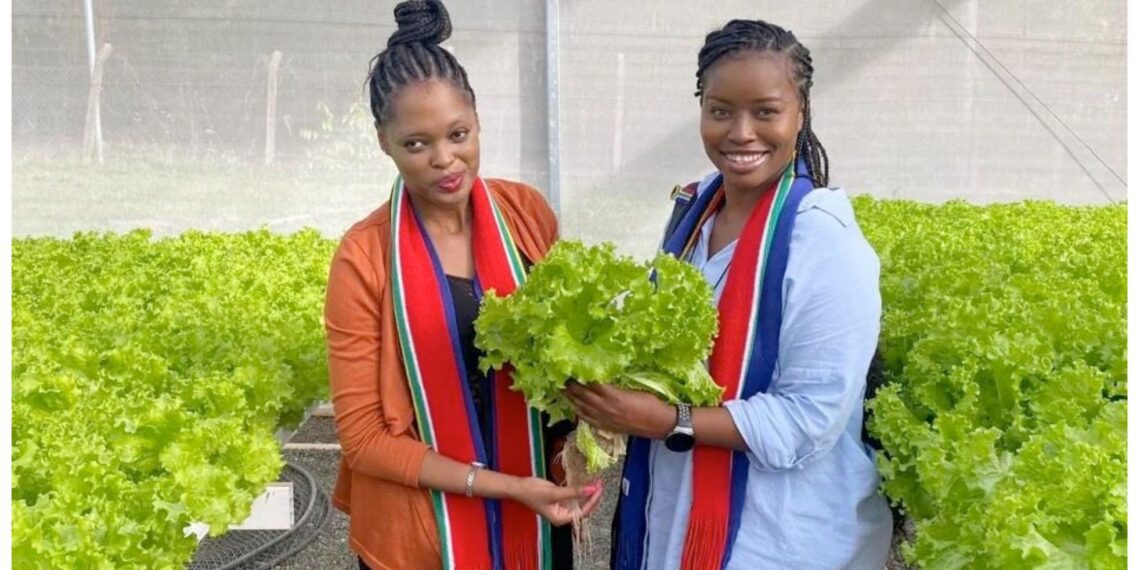
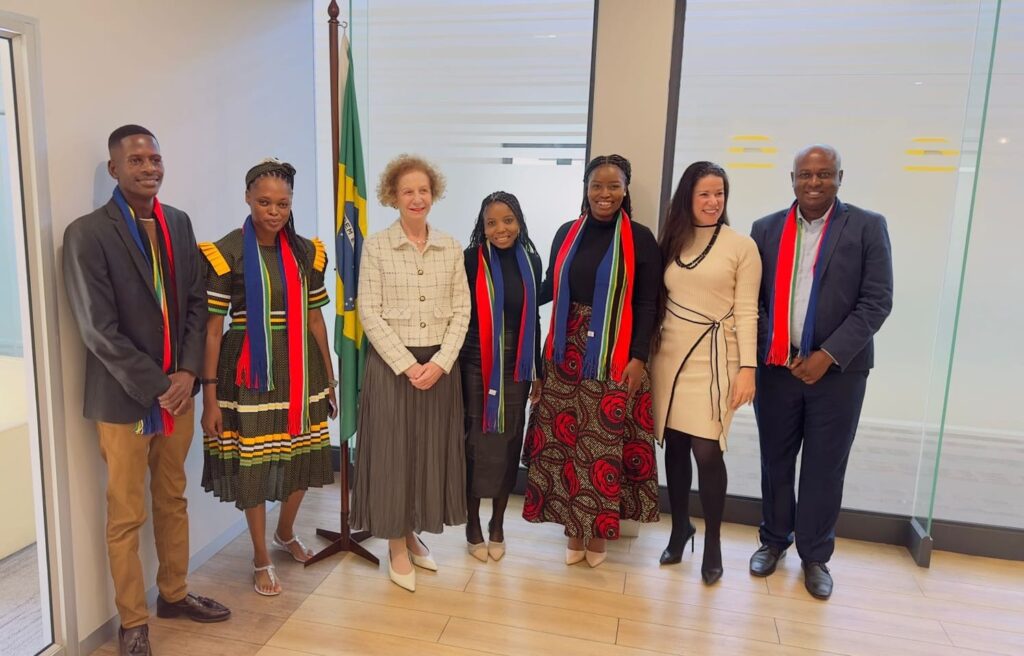
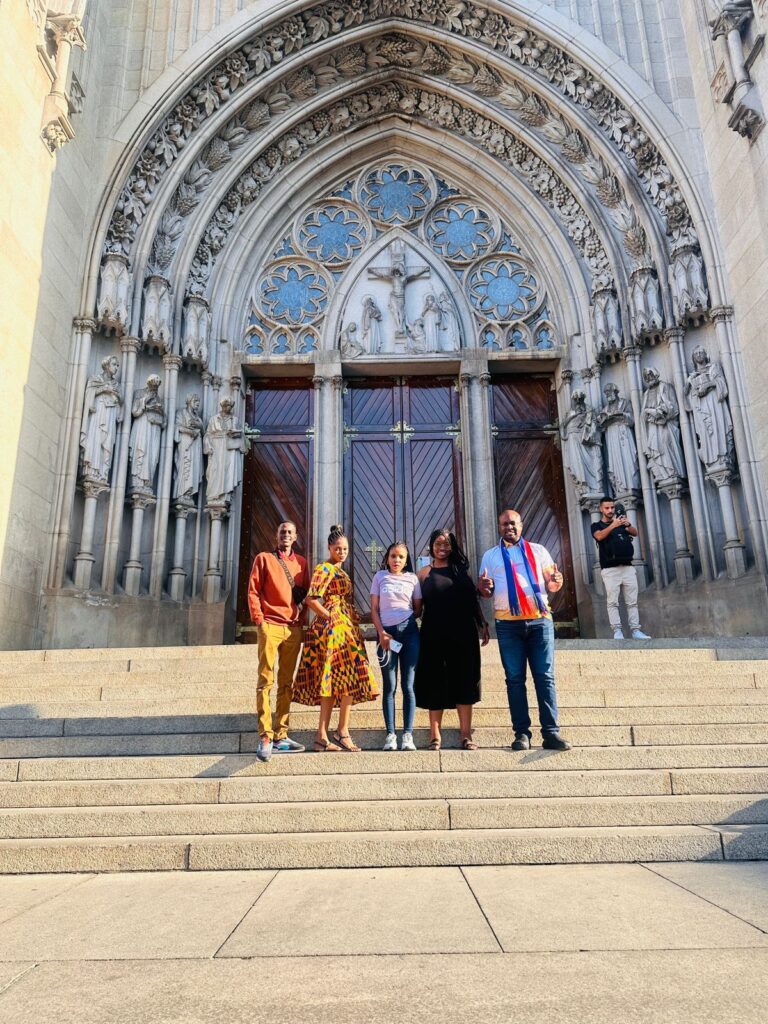
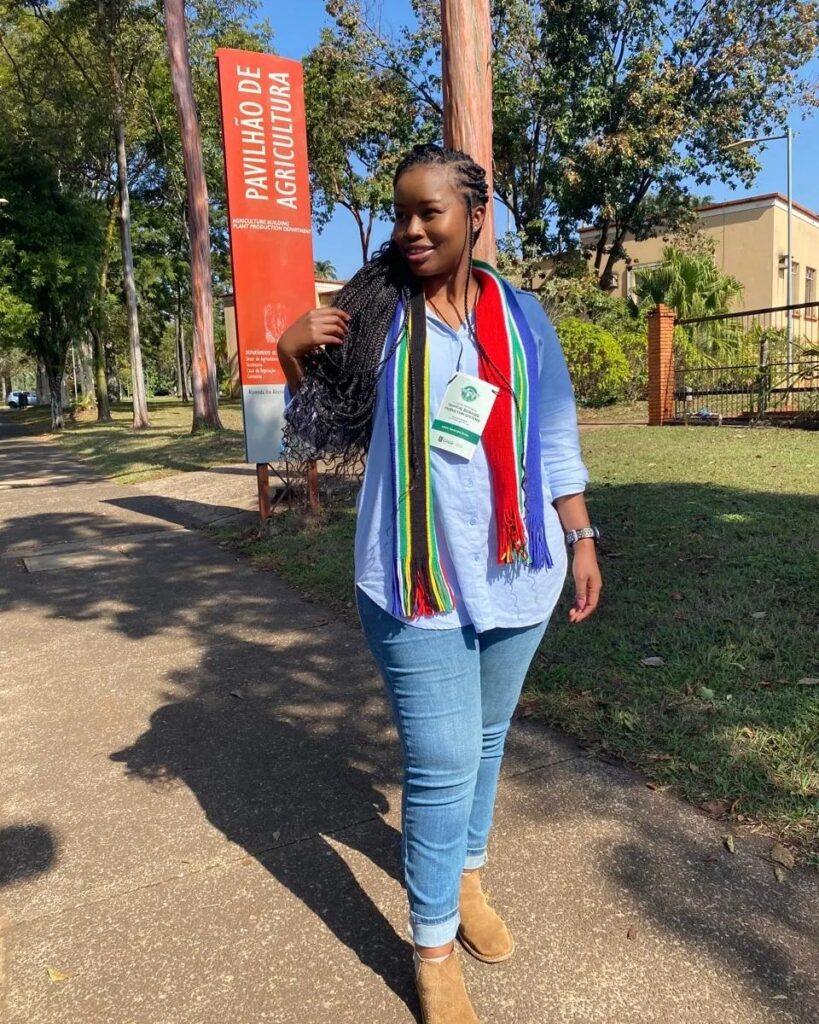
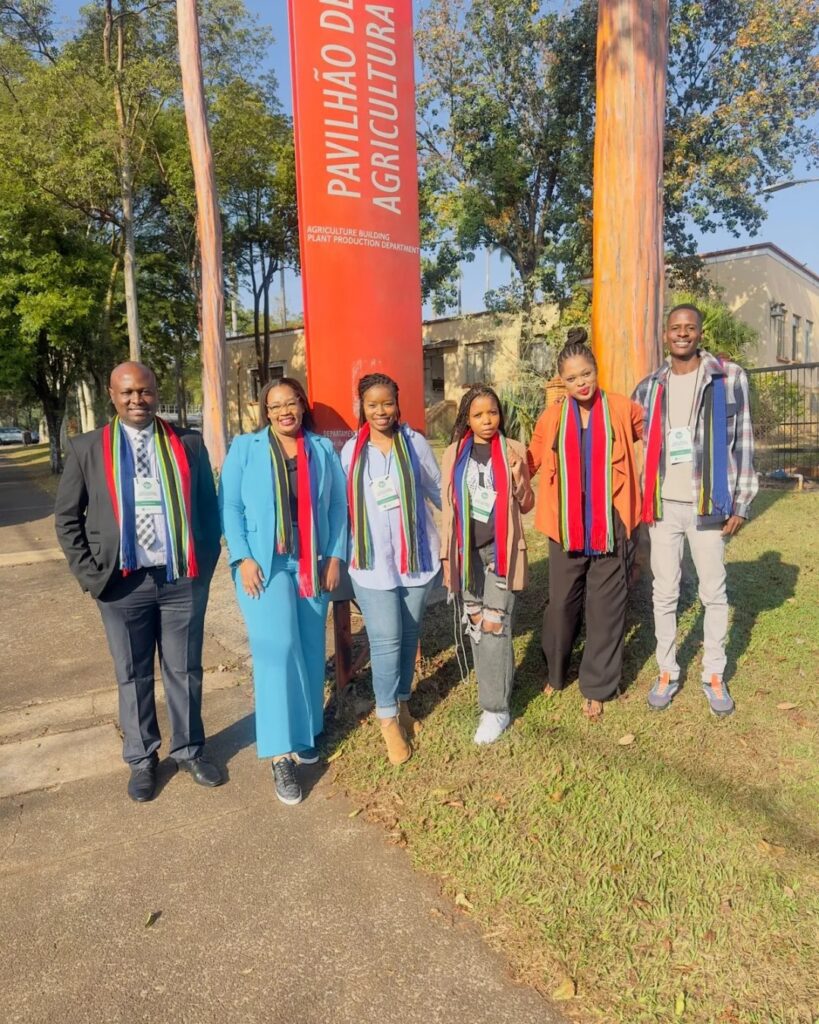
A select group of South African agriculturalists are making waves on the international stage, proudly waving the South African flag at the 2024 Areyeng Brazil Summer School.
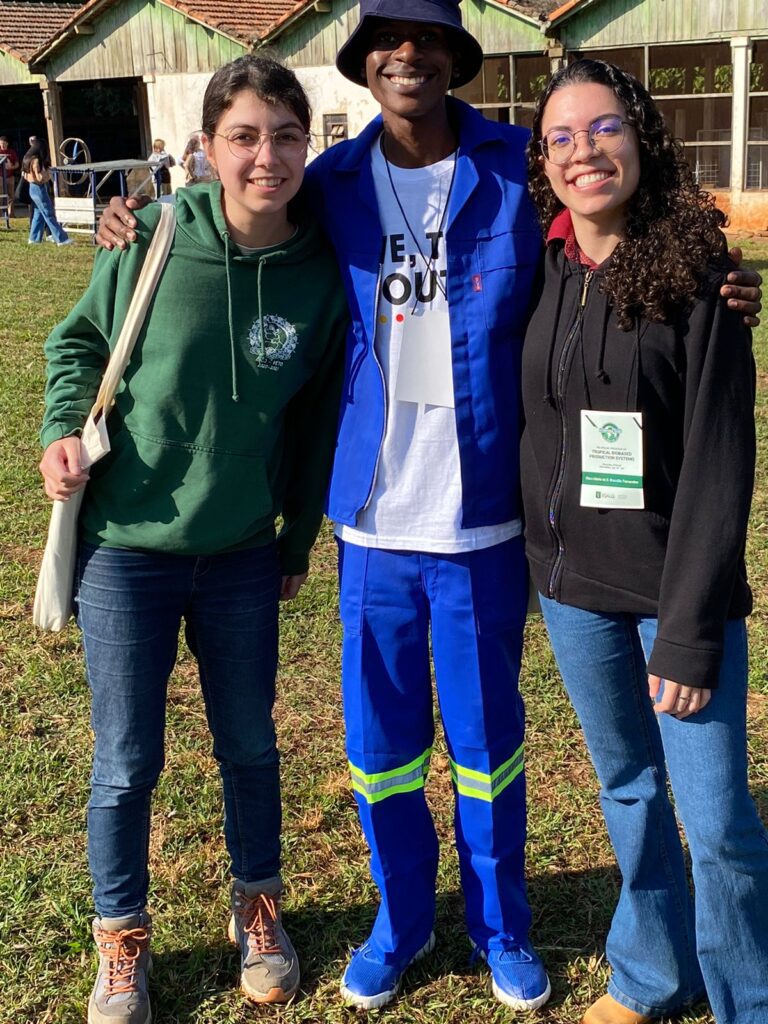
Hosted by the National Youth Development Agency (NYDA), this summer school offers an unparalleled opportunity to exchange knowledge, ideas, and experiences with peers from Brazil and other participating countries. The programme, held at the prestigious University of São Paulo, focuses on “Tropical Bio-based Production Systems”.
Participants from South Africa, including Lerato Botha, Lindiwe Mahlangu, Andile Molefo, Marios Lebepe, and chaperone Ipeleng Kwadi-Seboni, are immersing themselves in Brazilian culture, traditions, and agricultural innovations.
The 15-day programme combines theoretical classes and technical site visits, providing a comprehensive overview of Brazil’s agricultural, forestry, and livestock farming technologies, economics, and environmental scenarios.
Inspired by bio-based production systems
Lerato Botha, a bachelor in agriculture (honours) graduate from the University of the Free State, is one of the enthusiastic participants. She shares her excitement about learning from Brazil’s advanced bio-based production systems which focus on minimising waste, a concept she believes South Africa can greatly benefit from.
“Brazil is a tropical country, and they’re very big on bio-based production systems, trying to minimise waste as much as they can. Something that I think as South Africans we don’t do much of,” Botha explains.
“Agriculture contributes about 24% of the GDP to the country, so it is a very important field. Due to that importance, they have invested a lot into the education system and even how farming operations are run.”
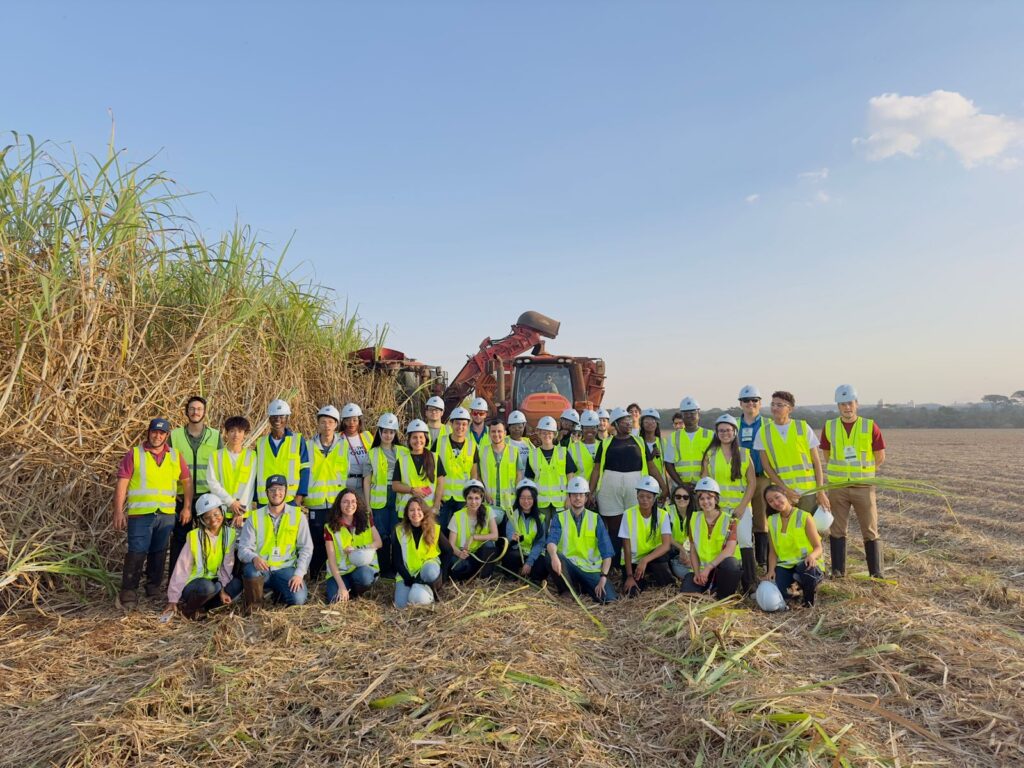
One of Lerato’s highlights was visiting Sao Martinho Iracema, the largest sugarcane producer in Brazil. “They have about 35 000 hectares of sugarcane fields, and there are smaller producers that feed into their factory. They also produce ethanol with the waste. At the garages, you’ll notice that it is diesel, petrol, ethanol,” she says.
“When they harvest, they leave their mulch on the field and do not burn their sugarcane fields as is traditionally done. They can regrow the same stalks for about 5 years until the quality decreases, and then they replant.”
Botha believes these practices can be implemented in South Africa. “We have very high wastage with how we produce, and if we can use that waste for something positive, it would help create energy. I think we would be moving in the right direction.”
Bridging research and practice
Lindiwe Mahlangu, a PhD candidate in agricultural science at Unisa, is thrilled to find parallels between her research and the work being conducted in Brazilian entomology labs. “We visited entomology labs where they are conducting similar work to what I am doing in my PhD study. What I have observed is that the country really invests in their scholars,” she notes.
“Agriculture is a practical job, but there is no success without those who study it from the book. Most importantly, their researchers are doing work that is actually needed by the country, hence industries are involved in funding the research,” Mahlangu adds.
She also appreciates Brazil’s commitment to its graduates. “Their departments hire their students; almost all of them are working for their faculties. From undergraduates to postdoctoral students, they work at the university, so when they leave, they graduate with tangible, transferable knowledge. This is something we can adopt in South Africa.”

Ensuring a successful journey
As the chaperone to the South African delegates, livestock farmer Ipeleng Kwadi-Seboni plays a crucial role in ensuring the participants’ well-being and the success of the trip.
“I’m expected to work with the NYDA team to ensure that trip goals are met. I have to ensure that safety measures are practised at all times, and I’m happy the university was very organised. A shuttle picked us up on time at the airport on our arrival,” she says.
Kwadi-Seboni is also focused on the long-term impact of the trip. “I provided an overview of what is expected from them on their return, which obviously is to plough back knowledge to agricultural communities. I’m happy as well, as this gave me exposure to an overview of Brazilian agriculture, and I will be able to advise our agricultural organisation on areas of improvement.”
With a few more days left of summer school, these South African agriculturalists look forward to bringing back a wealth of knowledge to inspire and empower their peers in South Africa.

READ NEXT: Donkeys to PhD studies: Demian’s path in agricultural engineering
Sign up for Mzansi Today: Your daily take on the news and happenings from the agriculture value chain.