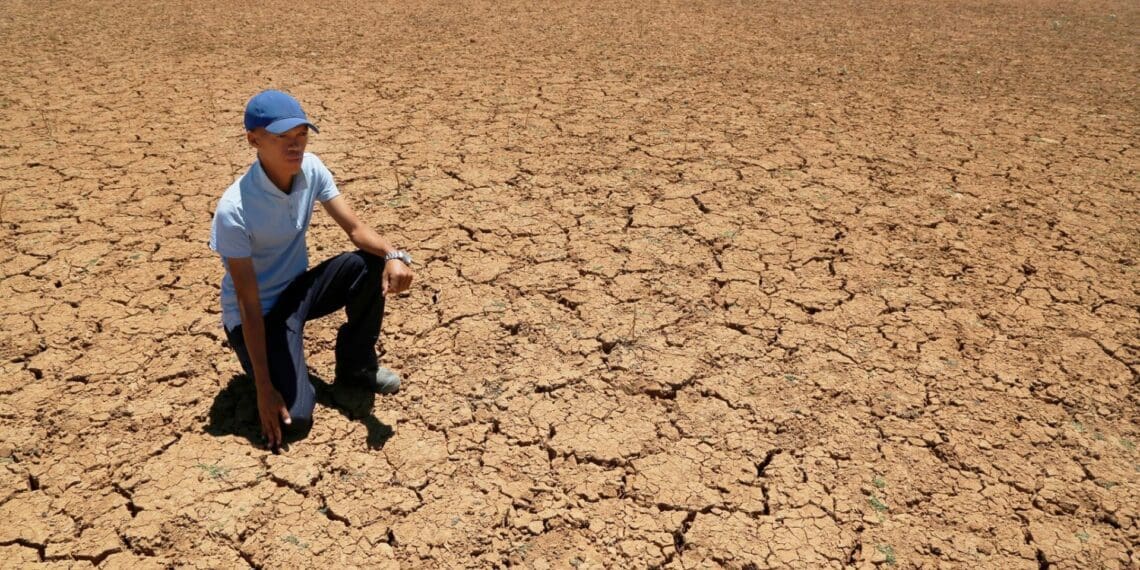
Free State Agriculture (FSA) has called for a more proactive way of addressing climate change and for funds to be made available in global spaces to make an impact on ordinary farmers.
Following Cop29 in Baku, Azerbaijan, FSA said in a statement while funds are pledged to support the farmers, where the funds end up is still a mystery.
The global challenges posed by climate change to food security, water resources, and agricultural sustainability, were highlighted.
“Funds were yet again pledged to support smallholder farmers in poor and developing counties, yet commercial farmers’ livelihoods are also adversely affected by climate change, and none of the R8.3 billion pledged for SA at last year’s event in the UAE made it to any agriculture in South Africa that we are aware of,” FSA said.
Climate funding key to regenerative farming
The organisation said they were pleased with several initiatives that would help South African farmers navigate the storms of climate change.
They highlighted the Baku Harmoniya Climate Initiative for Farmers which was “launched to foster collaboration among governments, private sectors, and multilateral banks to transform agri-food systems. This holds promise for South Africa, where subsistence, smallholder and family farmers are particularly vulnerable to climate impacts such as droughts and disasters caused by changing weather patterns.
“A major topic was the need to mobilise substantial climate finance to support sustainable agricultural practices. While FSA will lobby for the Loss and Damage Fund in response to losses from climate-driven major disasters, we will also lobby grants and cooperation agreements for resilience measures and early,” FSA stated.
Related stories
- Rainforest Alliance urges farmers to combat climate change
- Climate change takes centre stage at AfricArena Nairobi Summit
According to FSA, such measures could assist South African farmers in adopting technologies that improve productivity while reducing emissions.
“Another key theme was reducing methane emissions, particularly from organic waste and livestock, to mitigate climate impacts. This is relevant to South Africa’s agricultural sector, which includes significant intensive livestock farming practices that contribute to methane emissions.”
Promoting sustainable practices
FSA noted that they would support their local farmers’ associations and agricultural forums to lobby the local government to apply for grants to address the water pollution stemming from waste-water treatment plants and litter from municipal dump sites affecting the neighbouring farmers.
“If we look towards the 2050 net-zero target and the type of agriculture we will need to achieve this, FSA will continue to promote regenerative agriculture practices which offers a vital path to restoring soil health.
“Improved nutrition value, sequestering carbon and increasing resilience against climate impacts, and lobby affordable funding and support for the transition from unsustainable practices, and appropriate methodologies measuring and verifying emissions,” FSA stated.
READ NEXT: Lesotho Highlands shutdown: Govt assures sufficient water supply
Sign up for Mzansi Today: Your daily take on the news and happenings from the agriculture value chain